How to Reheat Rice So It Doesn't Turn to Grit
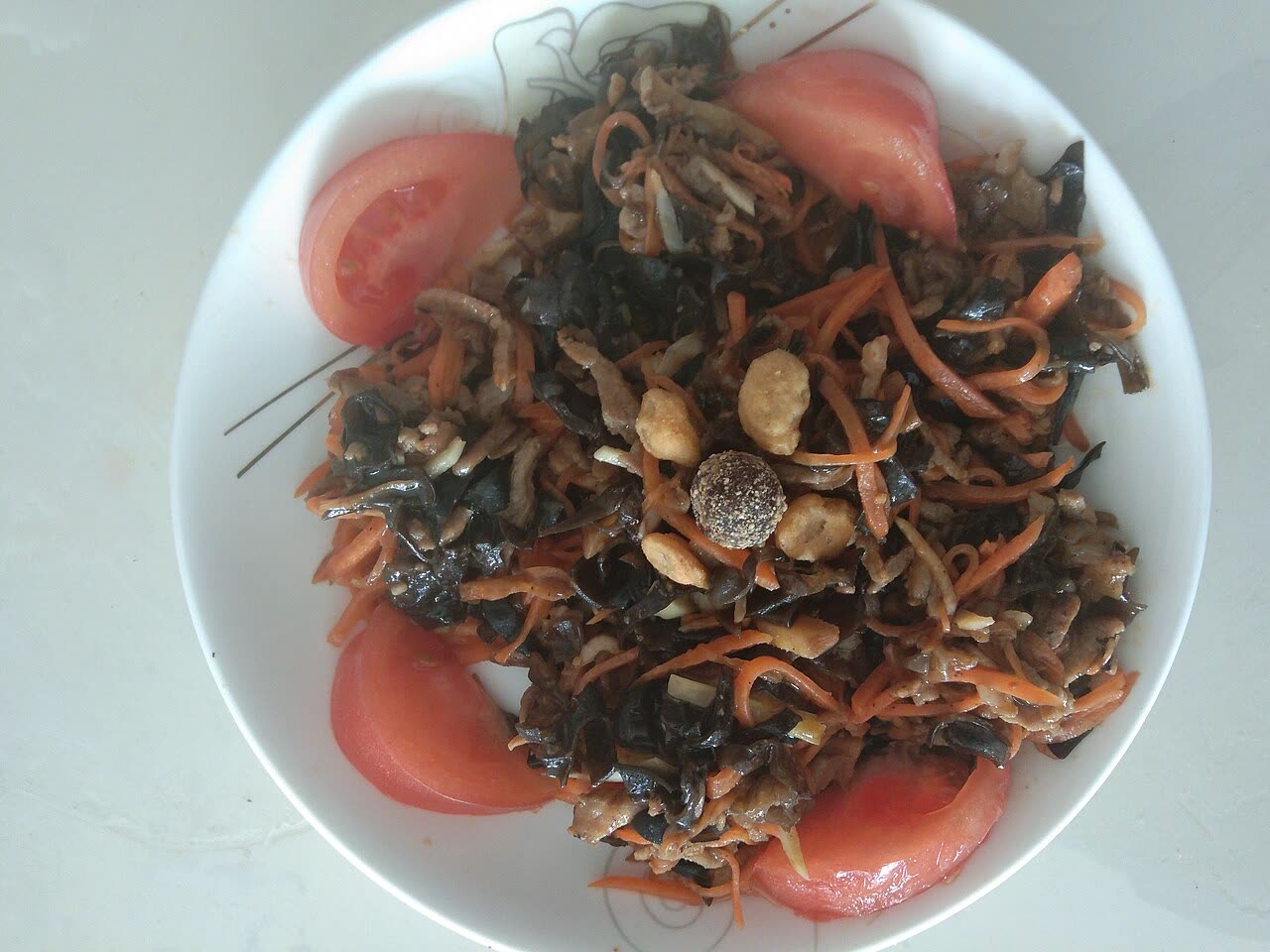
Three common mistakes that make leftover rice gritty, and the simple fixes to keep it tender.
Leftover rice turns gritty when it loses moisture and the starch retrogrades. The fix: add a little water, cover tightly, and reheat gently. Microwave 1 cup of rice with 1 tablespoon water, covered, for 1-2 minutes. For stovetop, steam with 2 tablespoons water per cup for 5 minutes. For oven, cover with foil and heat at 300°F for 10-15 minutes. The rest is detail: how much water, how gentle the heat, and how tight the lid.
Why does leftover rice turn hard and gritty?
Cooked rice firms up in the fridge because its starch molecules reorganize into crystalline structures, a process called retrogradation. This makes the grains hard and separate, giving that gritty texture. The fix is to add moisture and heat gently so the starch can reabsorb water and soften. According to Harold McGee's On Food and Cooking, retrogradation is most pronounced at refrigerator temperatures and can be reversed by reheating with water.
The texture tells you where you are. Properly reheated rice should look glossy and separate into grains with a fork, not clump into a brick. If you press a grain between your fingers and it resists, it needs more steam. If the surface looks wet but the center is cold, the heat was too fast. In most Chinese households the rice is judged by feel before serving, and a dry batch gets a splash of water and another minute under cover rather than a trip back to the stove.
Mistake 1: Reheating without adding water
Symptom: The rice comes out dry and chewy, with hard centers. You can see the grains splitting and the edges going pale.
Fix: For every cup of cooked rice, sprinkle 1-2 tablespoons of water over the top before reheating. This extra moisture is crucial, especially if the rice was stored uncovered or has dried out. For microwaving, use a microwave-safe bowl, add the water, cover with a lid or damp paper towel, and heat on high for 1-2 minutes per cup, stirring halfway. For stovetop, put the rice in a saucepan with the water, cover, and heat over low for 5 minutes. For oven, place rice in a covered dish with water and bake at 300°F for 10-15 minutes.
Measure the water rather than eyeballing it. A tablespoon is about the amount that clings to your fingers after a quick rinse, which is why so many cooks get it wrong. For a standard 2-cup portion, 2 to 3 tablespoons is the working range. More than that and the rice steams into a soft, porridge-like mass; less and the centers stay chalky. If you are reheating rice that was frozen, double the water, because freezing pulls moisture out of the grains more aggressively than chilling does.
Mistake 2: Using high heat
Symptom: The outside of the rice gets hot and steamy, but the inside remains cold and hard. In the microwave this shows up as scorching at the edges of the bowl while the middle is still cool.
Fix: Gentle, even heat is key. High heat in a microwave can cause the water to evaporate before it penetrates the grains, and the rice may heat unevenly. Use medium power (50%) and extend the time slightly, stirring once. On the stovetop, keep the flame low and let the steam do the work. In the oven, a moderate 300°F is sufficient. A rice cooker's keep-warm setting (around 140-160°F) is ideal for short-term holding, but for reheating from cold, add water and use the reheat function if available.
A thermometer helps here more than intuition. Rice reheated to roughly 165°F throughout is hot enough to eat comfortably and has had time for the steam to work. If you pull a bowl out of the microwave and the center reads 120°F, give it another 30 seconds at 50% power with the lid still on, then let it sit for a minute. The standing time matters: the trapped steam finishes the job that the microwave started, and rice served straight from the oven or microwave without resting is often hotter on the outside than the inside.
Mistake 3: Not covering the rice
Symptom: The rice dries out further and becomes crusty on the edges. You will see a ring of hard, translucent grains around the rim of the bowl.
Fix: Always cover the rice during reheating to trap steam. In the microwave, use a microwave-safe lid or a damp paper towel. On the stovetop, a tight-fitting lid is essential. In the oven, cover the dish with foil. If you are reheating rice in a pan for fried rice, you might skip covering, but that is a different technique; for plain steamed rice, covering is non-negotiable. As a rule, the steam created from the added water is what softens the grains.
A plate works as a lid in a pinch, and so does a sheet of parchment pressed down over the rice. What you want is a seal, not a tent. A loose paper towel lets the steam escape and the surface dries. If you are using a bamboo steamer, line the base with parchment and steam the rice in a shallow dish for 8-10 minutes; the steam circulates and the rice comes out evenly tender without a microwave's hot spots.
What about rice that's already gritty?
If rice has been in the fridge for more than a few days, it may have dried out beyond easy rescue. In that case, turn it into fried rice or rice porridge. For fried rice, break up the clumps, add a little oil and stir-fry over high heat with eggs and vegetables; the added moisture from sauce and ingredients will help. For porridge, simmer the rice with plenty of water or broth until it breaks down. Both are common ways Cantonese home cooks use up leftover rice, according to The Woks of Life.
A first-time cook should buy a few things before starting. A microwave-safe glass bowl with a lid, a 2-cup liquid measuring cup, and a cheap instant-read thermometer cover most of the method for under $30 at a supermarket or home-goods store. A bamboo steamer is optional but useful if you reheat rice often and want an even result without a microwave. Skip specialty rice-reheating gadgets; a bowl, a lid, and a tablespoon of water do the same work.
How should I store rice to prevent grittiness?
Cool rice quickly after cooking and refrigerate in an airtight container. Use within 3 days. For longer storage, freeze portions in freezer bags; thaw overnight in the fridge or reheat directly from frozen with extra water and time. The FDA recommends refrigerating cooked rice within 2 hours and keeping it at 40°F or below.
What's the best way to reheat frozen rice?
For frozen rice, add 2 tablespoons of water per cup, cover, and microwave on high for 2-3 minutes, stirring halfway. Or steam it in a bamboo steamer lined with parchment for 8-10 minutes. The key is to add more water than for refrigerated rice because freezing draws out more moisture. Break up the frozen block before heating so the steam reaches the center, and let it rest covered for a minute before serving.

Keep reading
- Winter Melon Candy: The Cantonese Sweet That Takes All Afternoon
- Steamed Egg Custard Ratios: The 1:1.5 Rule, Explained
- Scallion Pancakes With a Shortcut Dough
- How Long Do You Steam a Whole Fish? A Timing Chart by Weight
Photo: Jason M. C., Han / CC BY-SA 4.0 via Wikimedia Commons · Photo: Florstein ( Telegram: WikiPhoto.Space ) / CC BY-SA 4.0 via Wikimedia Commons
Frequently asked questions
Can I reheat rice in a microwave without adding water?
Yes, but it will likely be dry and gritty. Adding a tablespoon of water per cup and covering the bowl traps steam and keeps the rice tender.
How long can I keep cooked rice in the fridge?
According to the FDA, cooked rice should be refrigerated within 2 hours and kept at 40°F or below. Use within 3 days for best texture and safety.
Why does rice get hard in the fridge?
Starch retrogradation: cooked starch molecules crystallize when cold, making the rice hard. Reheating with moisture reverses this process.
About the author
Writer & Home Cook
Chinese home cook writing about seasonal food traditions from an American kitchen. Grew up in Guangdong, now cooks for a mixed family in the US.
Keep simmering
Seasonal Recipes
What to Do With Leftover Roast Duck
A whole Cantonese roast duck costs about $28 and feeds two. Here is how to use the rest: reheating, noodles, fried rice, and the bones.
Jack Chen · Nov 24, 2026 · 6 min read
Seasonal Recipes
Chinese Cleaver Care: Sharpening Angle and Honing
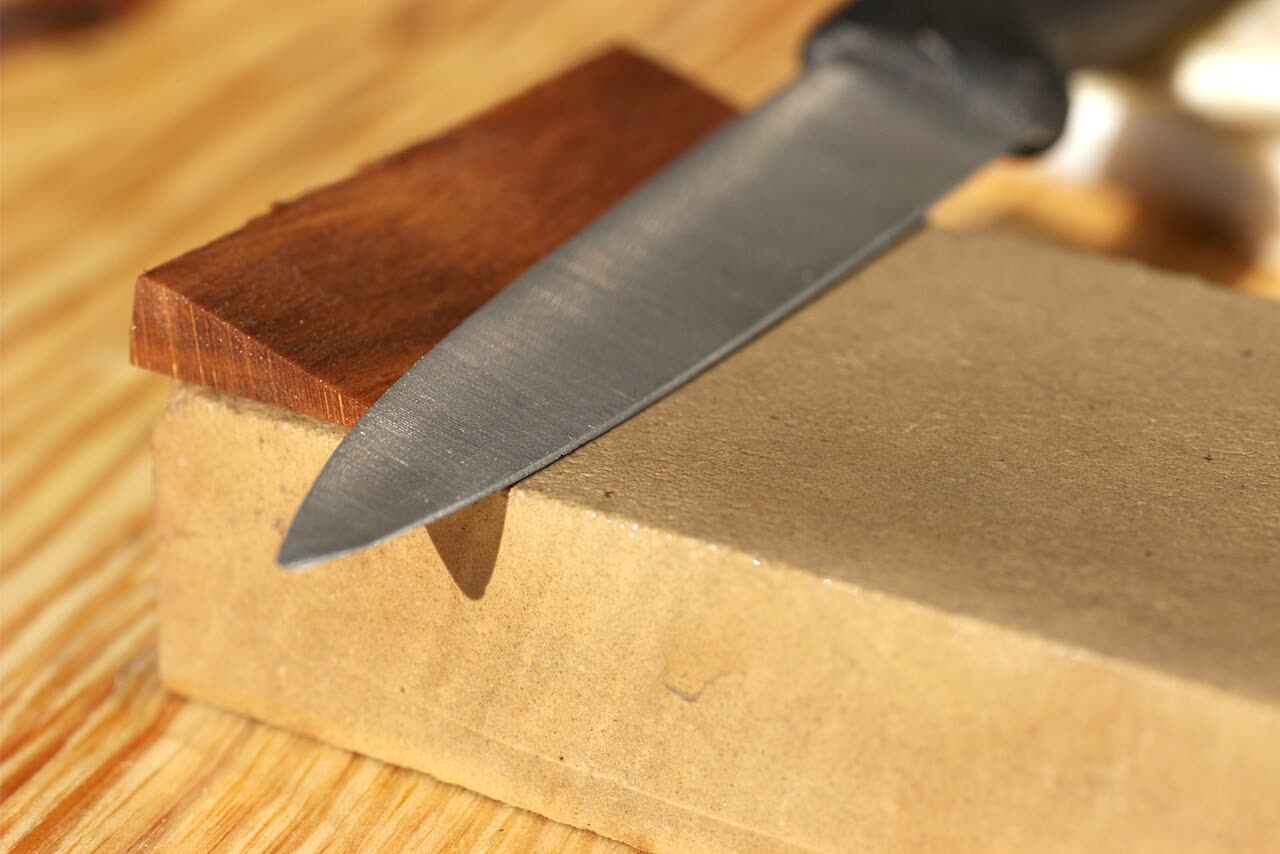
Most Chinese cleavers are sharpened at 15 to 20 degrees per side. Here is how to find that angle, hone without wrecking it, and fix a dull edge.
Jack Chen · Nov 20, 2026 · 5 min read
Seasonal Recipes
What Keep-Warm Does to Rice After Four Hours
A rice cooker on keep-warm for four hours is still safe to eat, but the texture and smell change. Here is what happens and what to do.
Jack Chen · Nov 19, 2026 · 5 min read
This article shares food culture and personal experience. It is not medical advice. See our medical disclaimer.
Leave a comment
ModeratedNo comments yet. Questions about the method, your family's version, or something I got wrong — write it here and I will read it.