What Keep-Warm Does to Rice After Four Hours
A rice cooker on keep-warm for four hours is still safe to eat, but the texture and smell change. Here is what happens and what to do.
A cheap rice cooker with a keep-warm setting costs about $30 at a big-box store, and almost everyone who owns one leaves rice sitting on it for hours. The question people actually ask is not whether that is fine. It is what the rice is doing in there while they wait. Four hours is the number that comes up most, and it is a useful line to understand because it sits right at the edge of where texture, smell and safety start to drift in different directions. Here are the six questions cooks ask most often, answered one at a time.
Is rice on keep-warm for four hours still safe to eat?
Usually yes, if the cooker is doing its job. A working keep-warm holds the rice between roughly 140°F and 160°F, which is above the range where bacteria multiply quickly. The USDA puts the danger zone at 40°F to 140°F, so a cooker that keeps rice above 140°F is on the safe side of that line. The catch is that not every cooker holds temperature evenly. Cheap models cycle a hot plate on and off, and the rice at the top of the pot can sit cooler than the rice at the bottom. If the lid is warm but not hot to the touch after four hours, treat the rice as you would any cooked food left out: reheat it hard to a rolling steam before eating, or throw it out. Do not taste it to check. Cooked rice is a well-known carrier of Bacillus cereus, a spore-former that survives cooking and multiplies in warm, moist starch, so the smell test is not a safety test.
What actually changes in the rice over those four hours?
Three things, in rough order of how fast they happen. First, moisture migrates: the surface rice dries out and the bottom layer gets wetter and softer as condensation runs back down. Second, starch retrogradation sets in. Cooked rice starch slowly re-crystallises as it cools toward the keep-warm temperature, which is why four-hour rice tastes firmer and less sticky than rice eaten straight from the pot, even though it is still hot. Third, aroma fades. The nutty, fresh-cooked smell of rice is volatile and it leaves the pot through the steam vent. What replaces it is a flatter, slightly starchy smell. None of this is spoilage. It is the rice getting older in a warm box, and it is why restaurant rice is often cooked in smaller batches more often rather than held all service.
Why does four-hour rice smell different, sometimes slightly sour?
A faint sour or stale note after several hours is common and usually comes from the pot, not the grain. Condensation collects under the lid and around the rim, and that warm film is a good place for ordinary environmental bacteria to sit. If the rice itself smells sour rather than just flat, or if it feels slimy or tacky when you stir it, discard it. A clean cooker and a clean lid gasket go a long way. Most manufacturers recommend washing the inner lid and the steam vent after every use, and the gasket at least weekly, because that is where the residue hides. If you notice the smell only after four hours and not after one, the lid is the first place to look.
Does the type of rice matter for keep-warm?
Yes, quite a lot. Long-grain varieties like jasmine and basmati hold up better because they are already drier and firmer, and the retrogradation that makes them seem stiff is less noticeable. Short-grain varieties, the kind used for sushi and for most Chinese home cooking, are stickier and more delicate; they go gluey at the bottom and dry at the top faster. Brown rice is the worst candidate for long holding, because the bran layer holds water and the texture turns mealy sooner. If you know rice will sit for hours, cook short-grain slightly firmer than usual, using about 10 percent less water than your normal ratio, so it has room to soften on the warmer without turning to paste.
How should I hold rice if I know it will be four hours?
Fluff the rice once as soon as the cook cycle ends, then leave the lid closed. Fluffing releases steam and evens out the moisture before the long hold begins. Keep the cooker on the warm setting, not off, and do not stir it repeatedly; every stir breaks grains and releases more starch. If your cooker has a lower keep-warm option, use it. Some cooks lay a clean, damp kitchen towel over the pot before closing the lid, which catches condensation and keeps the top layer from drying. For anything past four hours, portion the rice into a container, cool it quickly, and refrigerate it; reheat with a splash of water, covered, in the microwave. Cooked rice keeps in the fridge for a few days.
Can I rescue rice that has been on warm too long?
Usually. If the top is dry and the bottom is wet, scoop the rice into a bowl, sprinkle a tablespoon or two of water over it, cover, and microwave for a minute or two until it steams. Stir gently once and let it sit covered for another minute. That evens out the moisture. If the rice has gone sour or slimy, no amount of reheating fixes it; throw it out. For rice that is simply firm and flat-tasting, a splash of water and a short reheat brings back most of the texture, though not the fresh aroma. The honest answer is that four-hour rice is fine rice, just not best rice. Cook it a little firmer, fluff it once, keep the lid on, and it will carry you through a long dinner.
A note on quantities for anyone cooking for a crowd: one US cup of raw long-grain rice yields about three cups cooked, which is roughly four generous side servings. That is the number to plan around when you are deciding whether to hold rice or cook a second batch.

Keep reading
- How to Reheat Rice So It Doesn't Turn to Grit
- Winter Melon Candy: The Cantonese Sweet That Takes All Afternoon
- Steamed Egg Custard Ratios: The 1:1.5 Rule, Explained
- Scallion Pancakes With a Shortcut Dough
Sources
Photo: Jason M. C., Han / CC BY-SA 4.0 via Wikimedia Commons · Photo: Florstein ( Telegram: WikiPhoto.Space ) / CC BY-SA 4.0 via Wikimedia Commons
Frequently asked questions
Can I leave rice on keep-warm overnight?
No. Most manufacturers warn against holding rice on warm for more than about 12 hours, and many recommend far less. Overnight holding dries the rice badly and raises the risk that part of the pot drops into the temperature range where bacteria grow. Cool and refrigerate it instead.
Does keep-warm use a lot of electricity?
Not much. A typical rice cooker draws only a few watts on the warm setting, far less than during cooking. The cost of holding rice for four hours is usually a few cents.
Why does the bottom layer of my held rice turn brown or crusty?
The hot plate sits under the pot, so the bottom layer keeps receiving direct heat for hours. Slight browning or a dry crust is common on cheaper cookers. Fluffing once at the end of the cook cycle and using a lower warm setting reduces it.
About the author
Writer & Home Cook
Chinese home cook writing about seasonal food traditions from an American kitchen. Grew up in Guangdong, now cooks for a mixed family in the US.
Keep simmering
Seasonal Recipes
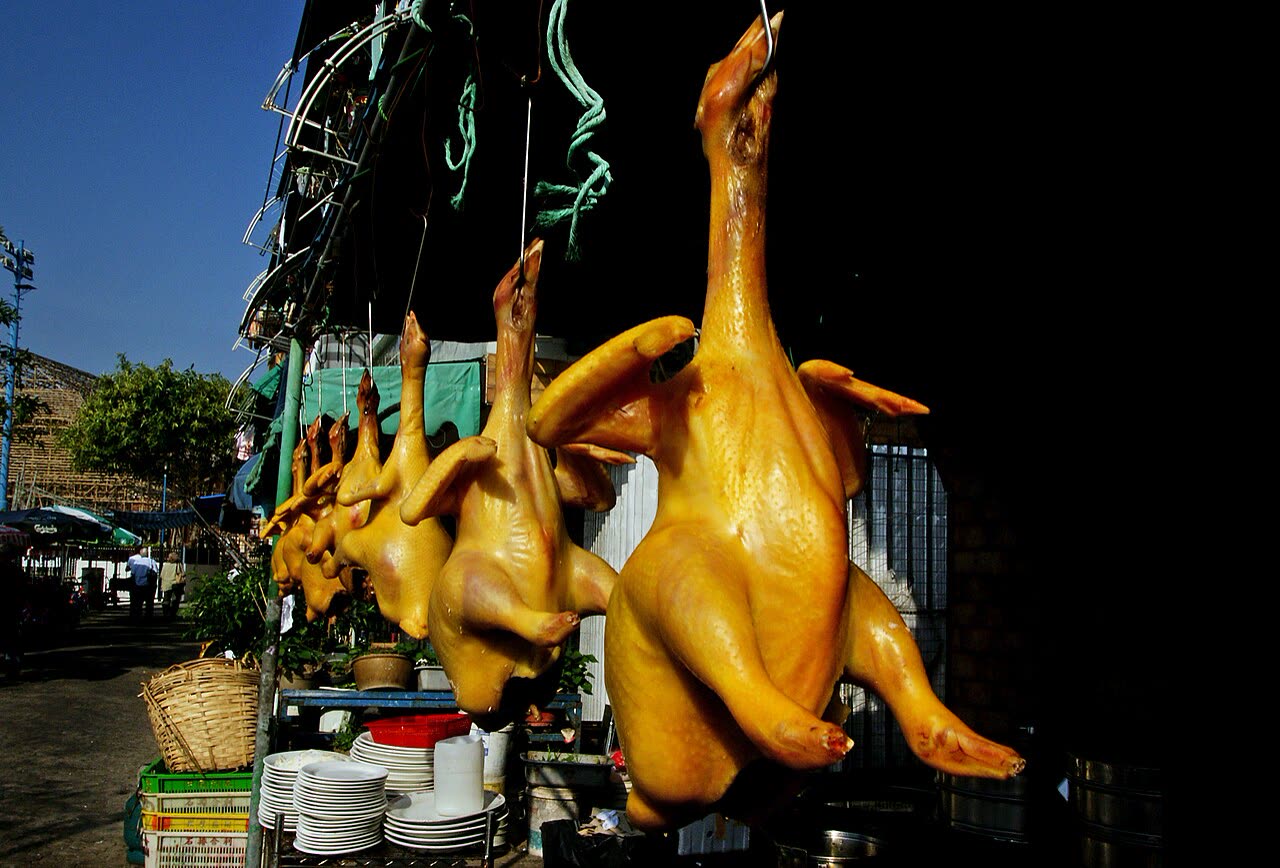
What to Do With Leftover Roast Duck
A whole Cantonese roast duck costs about $28 and feeds two. Here is how to use the rest: reheating, noodles, fried rice, and the bones.
Jack Chen · Nov 24, 2026 · 6 min read
Seasonal Recipes
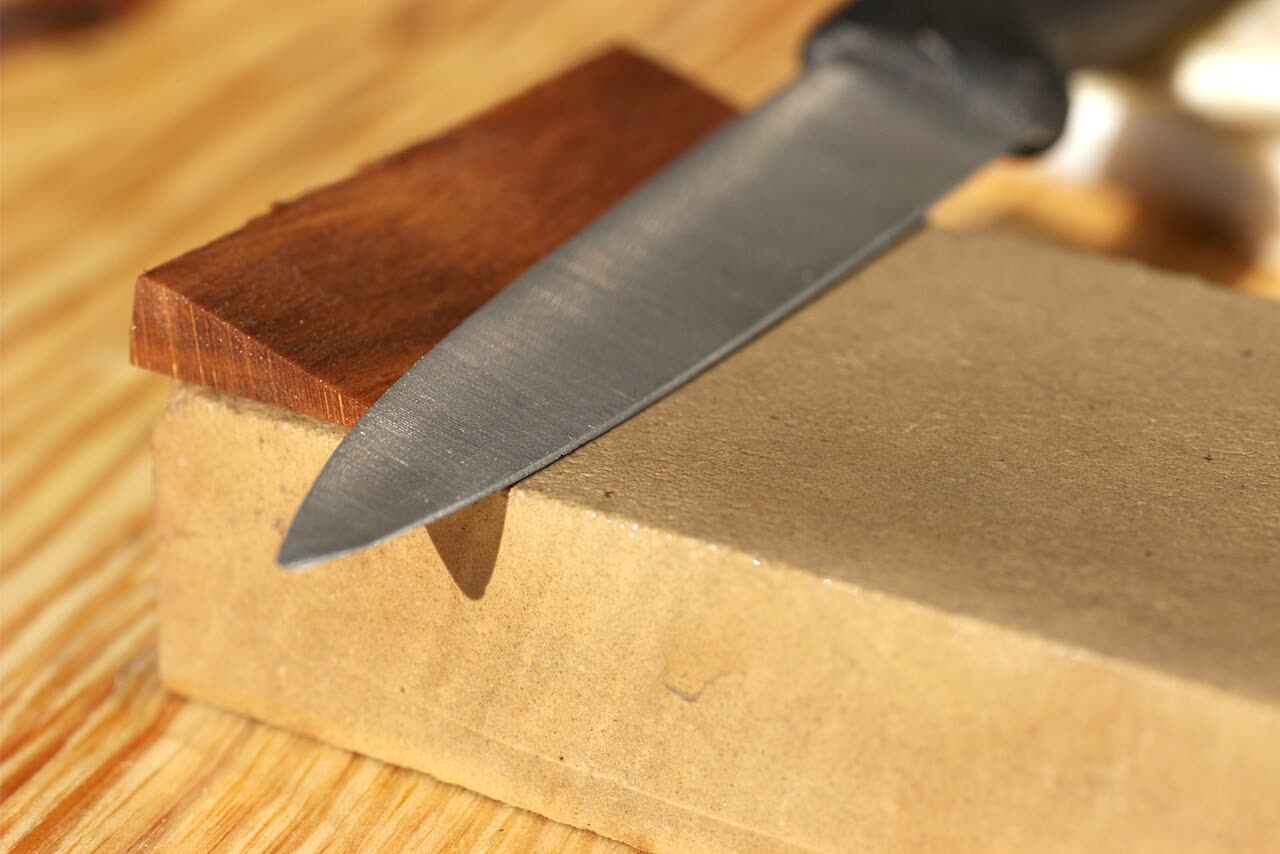
Chinese Cleaver Care: Sharpening Angle and Honing
Most Chinese cleavers are sharpened at 15 to 20 degrees per side. Here is how to find that angle, hone without wrecking it, and fix a dull edge.
Jack Chen · Nov 20, 2026 · 5 min read
Seasonal Recipes
How to Reheat Rice So It Doesn't Turn to Grit
Three common mistakes that make leftover rice gritty, and the simple fixes to keep it tender.
Jack Chen · Nov 18, 2026 · 6 min read
This article shares food culture and personal experience. It is not medical advice. See our medical disclaimer.
Leave a comment
ModeratedNo comments yet. Questions about the method, your family's version, or something I got wrong — write it here and I will read it.