What to Do With Leftover Roast Duck
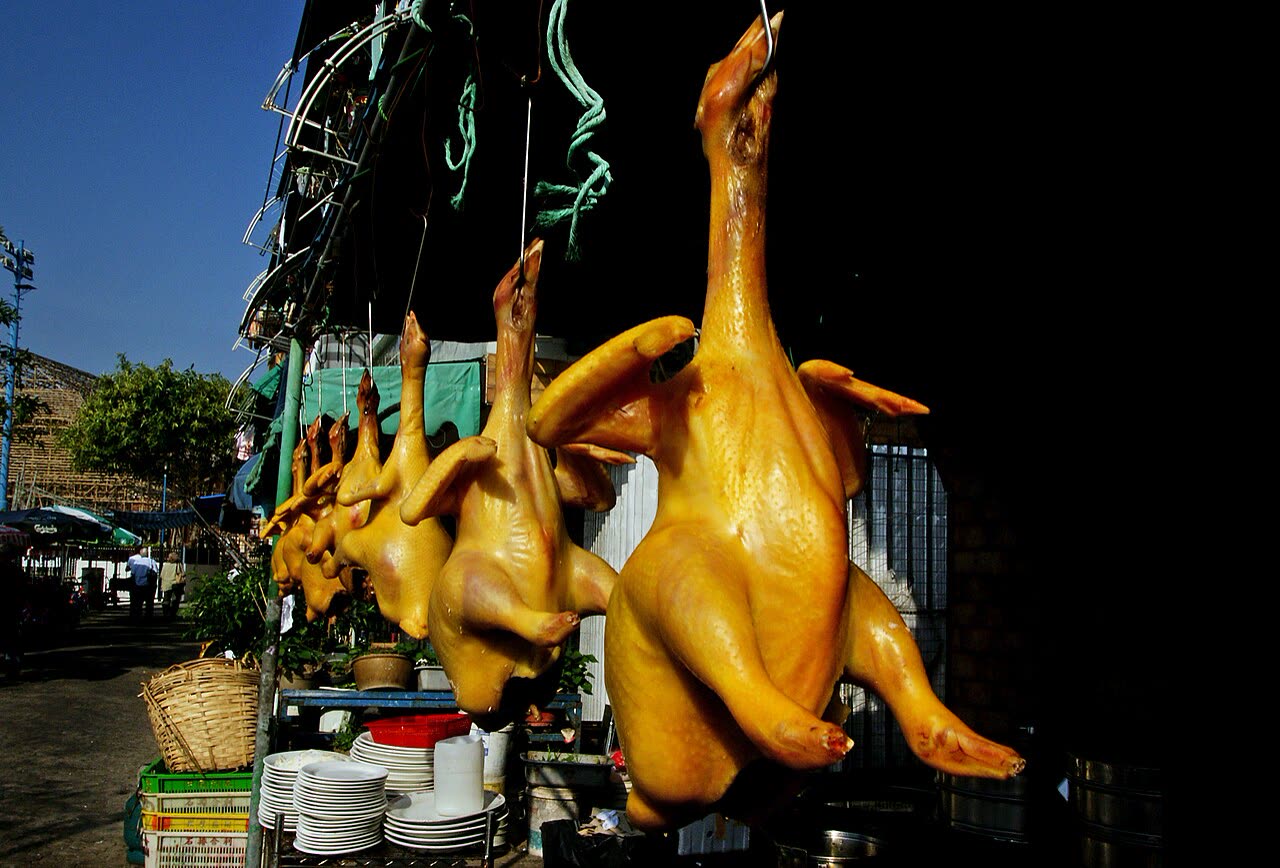
A whole Cantonese roast duck costs about $28 and feeds two. Here is how to use the rest: reheating, noodles, fried rice, and the bones.
A whole Cantonese roast duck from a Chinatown barbecue counter runs about $26 to $32 in most US cities, and a duck that size gives two people a generous dinner. That leaves roughly half a bird. The mistake most people make is reheating it like chicken: covered, low oven, twenty minutes, until the skin goes slack and the meat tastes like wet paper. Duck is a fattier, darker bird and it wants different handling.
What is leftover roast duck, exactly?
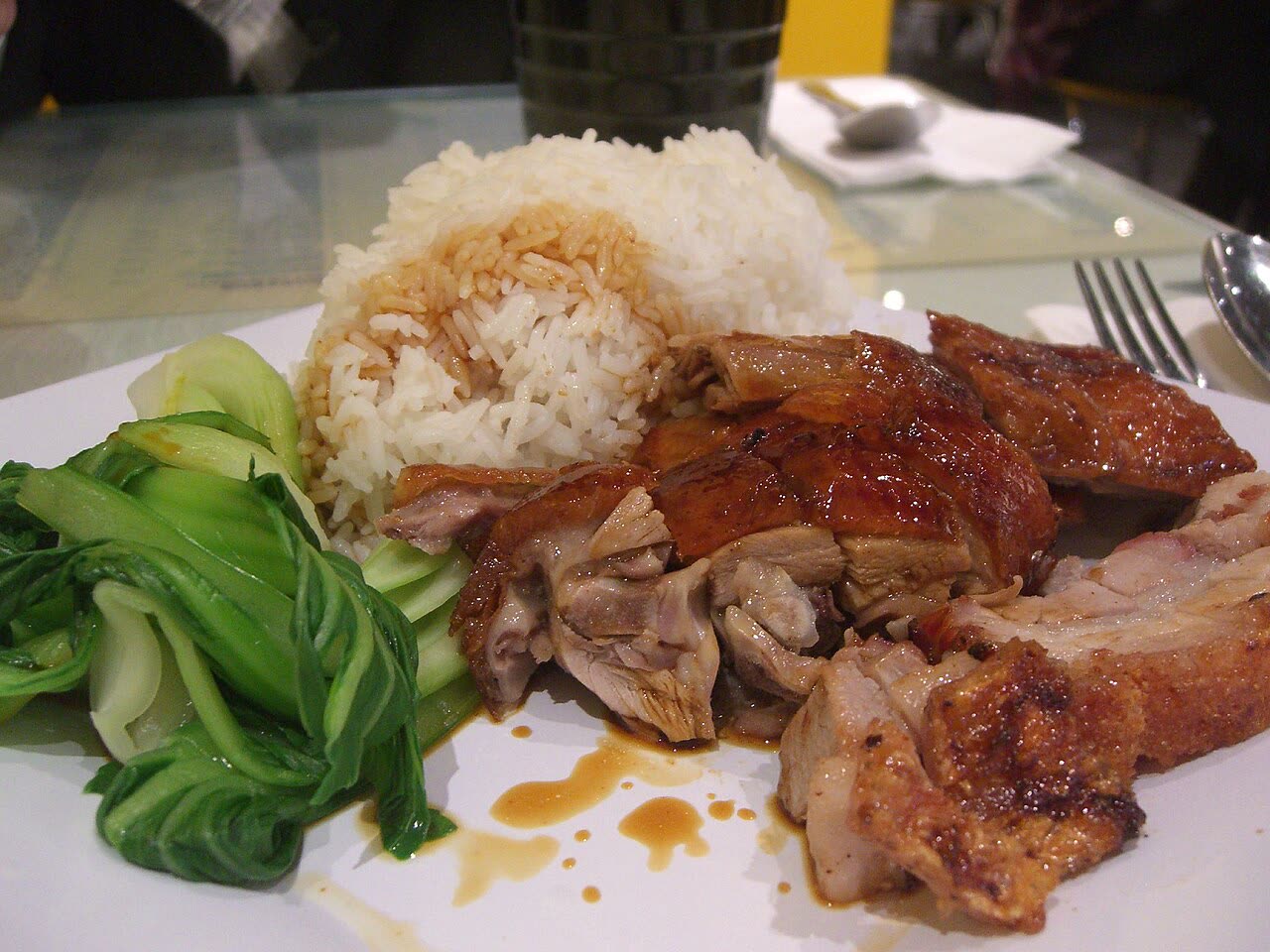
Cantonese roast duck (siu aap) is a whole bird rubbed inside with salt, five-spice and sometimes fermented bean paste, lacquered outside with maltose or honey, and hung to dry before it goes into a hot charcoal or gas rotisserie. The result is a bird with crisp, dark amber skin, a thin layer of rendered fat, and meat that is already cooked through and quite salty. When you buy it, the counter usually ladles a small container of the pan drippings in with it. Take that container. It is the most useful thing in the bag.
A roast duck is not a neutral ingredient. It is seasoned, rich and slightly sweet. Treat it as a flavor, not as a protein to be re-cooked from scratch. That single idea solves most of the problems below.
How should you store and reheat it?
Pull the meat off the bone the same day you buy it. A whole duck in the fridge takes up a shelf and the skin softens fast. Use your hands or a knife to separate the breasts, legs and wings, then strip the carcass. Keep skin and meat in one container, bones in another. Both keep three to four days refrigerated, or two months frozen.
For reheating, crisp skin is the whole point, so use dry heat:
- Broiler or toaster oven, 450°F: lay pieces skin-side up on foil, four to six minutes, until the skin blisters. Watch it. Duck fat ignites.
- Skillet, skin-side down, medium heat: no oil needed. The duck renders its own. Five minutes gets the skin back.
- Do not microwave skin-on pieces. The skin turns to rubber in under a minute. Microwaving skinless shredded meat for a stir-fry is fine.
If you want the meat for soup or noodles, skip the crisping step entirely. Simmer the picked meat in broth for the last two minutes and it will come back tender without toughening.
What are the best dishes for leftover duck?
Duck fried rice. This is the highest-value use. Dice the meat and skin small, maybe half a cup per two cups of cold cooked rice. Render the skin first in a dry wok so the fat coats the pan, then add rice, egg, scallion and a splash of the dipping sauce that came with the duck. No extra salt needed; the duck provides it.
Duck noodle soup. Simmer the bones with a slice of ginger and a few scallions for forty minutes. Strain. Cook thin wheat noodles or rice noodles in the broth, add shredded duck off the heat, and finish with a spoon of the pan drippings and some blanched bok choy. A duck carcass makes a broth that is far richer than chicken stock from a carton.
Stir-fried with bitter greens. Duck fat and bitter greens are a classic pairing in Cantonese home cooking. Heat a wok until it smokes, add a spoon of duck fat, then mustard greens or gai lan cut into lengths. When the stems just bend, add shredded duck, toss thirty seconds, and serve. The salt in the duck seasons the greens.
Cold with cucumber and hoisin. Shredded duck, cucumber batons, scallion, a thin hoisin-and-vinegar sauce. Good in summer when you do not want the oven on.
Duck congee. Simmer a half cup of rice in eight cups of the bone broth for an hour, stirring now and then, then fold in shredded duck at the end. Top with white pepper, scallion and a few drops of sesame oil.
Where do people go wrong?
Over-salting. Roast duck is already seasoned. Taste before you add soy sauce to anything it goes into. This is the most common error and it is not recoverable.
Cooking it again. Duck is cooked. Anything beyond crisping the skin or warming it through in liquid will dry it out. Do not braise raw-tasting pieces in a sauce for twenty minutes hoping for improvement.
Discarding the fat and drippings. The container of pan juices from the shop is concentrated duck stock and fat. Spoon off the fat for frying potatoes or greens, and use the dark liquid underneath as a seasoning for rice or noodles. It keeps a week in the fridge.
Throwing out the bones. A duck carcass plus ginger and scallion makes about six cups of broth in under an hour. That is the base for the noodles and congee above.
Buying the wrong duck. At a Chinatown barbecue counter, ask for the duck to be chopped and the drippings included. Some shops sell half ducks, which is a better size for a household of two. Supermarket vacuum-packed roast duck is a different product: saltier, often drier, and better used in fried rice than eaten on its own.
How do you buy a good one?
Look at the skin. It should be glossy and dark amber, not pale or patchy. Ask when it came out of the rotisserie; most shops roast in the morning and again in the late afternoon, and a bird from the afternoon batch will have crisper skin by dinnertime. The meat should feel firm under the skin, not loose. A good shop will chop it to order and include the drippings without being asked, though it is fine to ask anyway. If you only want the meat for a dish, ask for a half duck and have them chop it into larger pieces so you can pick it apart at home.
Expect to pay $26 to $32 for a whole duck, $14 to $18 for a half. At a Chinatown grocer you will see them hanging in rows behind the glass, which is the best sign the shop turns its stock over quickly. I keep a container of duck fat in the fridge door for frying potatoes and greens, which is the most useful thing to come out of the bag.
Keep reading
- Chinese Cleaver Care: Sharpening Angle and Honing
- What Keep-Warm Does to Rice After Four Hours
- How to Reheat Rice So It Doesn't Turn to Grit
- Winter Melon Candy: The Cantonese Sweet That Takes All Afternoon
Sources
Photo: Bernard Spragg. NZ from Christchurch, New Zealand / CC0 via Wikimedia Commons · Photo: Alpha from Melbourne, Australia / CC BY-SA 2.0 via Wikimedia Commons
Frequently asked questions
How long does leftover roast duck keep in the fridge?
Three to four days, tightly covered. Remove the meat from the bone before storing so it cools faster. Frozen, it keeps about two months; freeze the bones separately for broth.
Can you reheat roast duck in the microwave?
Skinless shredded meat, yes, briefly. Skin-on pieces turn rubbery in the microwave. Use a broiler or a dry skillet skin-side down to bring the skin back.
What can you make with the duck bones?
Simmer them with ginger and scallion for forty minutes to make a rich broth. Strain and use it for noodle soup or congee, or freeze it for up to three months.
About the author
Writer & Home Cook
Chinese home cook writing about seasonal food traditions from an American kitchen. Grew up in Guangdong, now cooks for a mixed family in the US.
Keep simmering
Seasonal Recipes
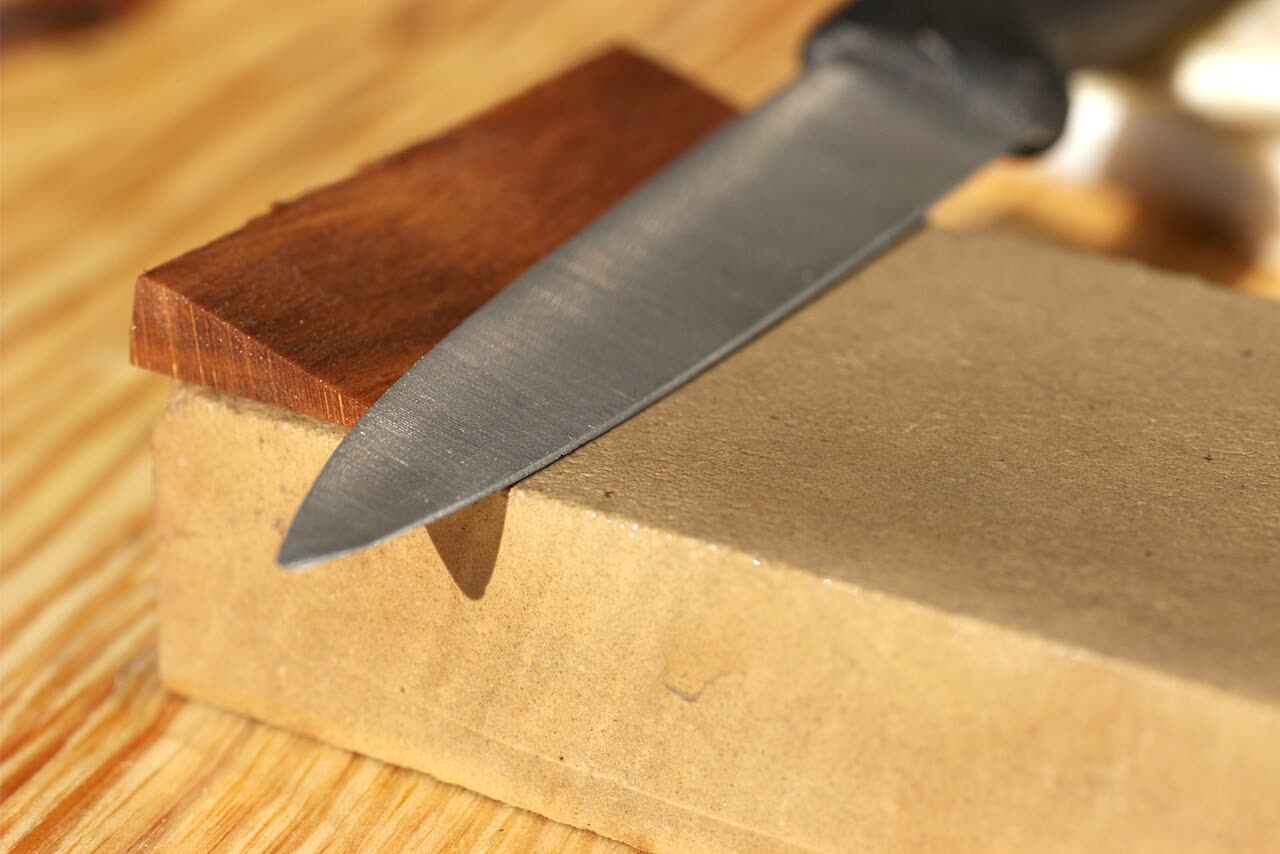
Chinese Cleaver Care: Sharpening Angle and Honing
Most Chinese cleavers are sharpened at 15 to 20 degrees per side. Here is how to find that angle, hone without wrecking it, and fix a dull edge.
Jack Chen · Nov 20, 2026 · 5 min read
Seasonal Recipes
What Keep-Warm Does to Rice After Four Hours
A rice cooker on keep-warm for four hours is still safe to eat, but the texture and smell change. Here is what happens and what to do.
Jack Chen · Nov 19, 2026 · 5 min read
Seasonal Recipes
How to Reheat Rice So It Doesn't Turn to Grit
Three common mistakes that make leftover rice gritty, and the simple fixes to keep it tender.
Jack Chen · Nov 18, 2026 · 6 min read
This article shares food culture and personal experience. It is not medical advice. See our medical disclaimer.
Leave a comment
ModeratedNo comments yet. Questions about the method, your family's version, or something I got wrong — write it here and I will read it.