Winter Melon Candy: The Cantonese Sweet That Takes All Afternoon
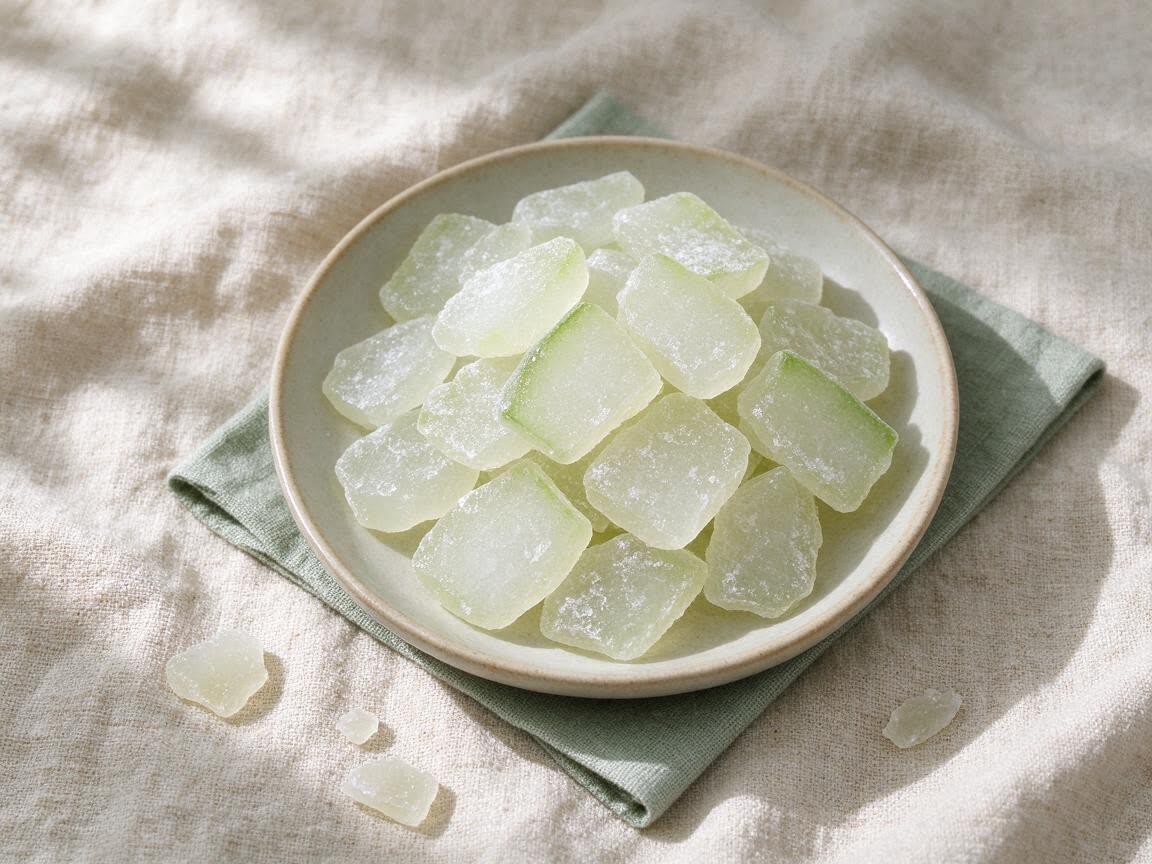
Candied winter melon is sugar, patience and a big bland gourd. How it is made, what it tastes like, and what to buy if your store has no winter melon.
Candied winter melon is exactly what it sounds like: chunks of winter melon simmered in sugar syrup, then dried until they turn translucent and chewy, with a thin crust of sugar on the outside. You need a winter melon, sugar, water, and about three hours of not very much happening. The result is sweet, faintly grassy, and weirdly addictive with tea.
In Cantonese households it is a cold-month sweet, made when winter melons are cheap and plentiful and nobody wants another pot of soup. It is a winter thing because winter melon is a winter thing, and because standing at the stove for an afternoon is more appealing when the kitchen window is fogged up.
What does candied winter melon actually taste like?
Mild. That is the honest answer. Winter melon on its own tastes like the idea of a vegetable: watery, slightly sweet, a little like cucumber that gave up. Candying does not turn it into mango. It turns it into a firm, glossy cube that tastes of sugar first, then melon, then a clean finish.
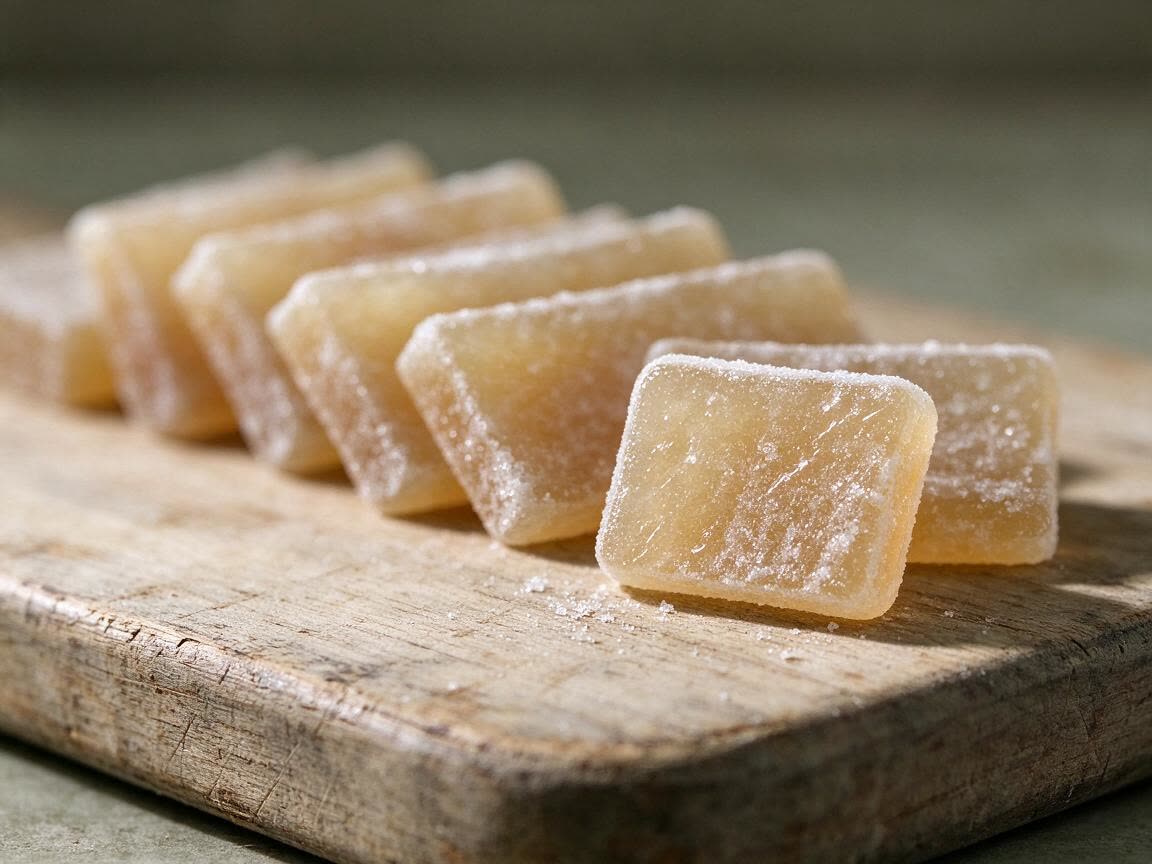
The texture is the point. Good candied winter melon is chewy but not leathery, dense but not hard. Bite one and it should give, then stick slightly to your teeth. If it crunches like a rock, it dried too long. If it slumps, it did not dry enough.
In Cantonese kitchens this is a snack, a gift, and a component. You chop it fine and put it in mooncake filling, or fold it into a steamed pudding. Many households keep a jar by the rice cooker and eat it while waiting for dinner, which rather defeats the purpose of waiting for dinner.
Which winter melon should I buy, and how do I cut it?
Look for a melon with a matte, chalky-green rind and no soft spots. A dull thump when you knock it is good. Shiny skin usually means it was picked young and will be wetter, which means longer drying.
You will not use a whole one. A standard American supermarket winter melon runs 10 to 20 pounds, and this recipe needs about 2 pounds of peeled flesh. Buy a wedge if the store sells cut pieces, or buy whole and plan on soup with the rest. Cut away the rind and the spongy seed core. You want firm, pale flesh, cut into pieces roughly 1 inch by 2 inches and a half inch thick. Uniform size matters more than shape; thin pieces will over-candy before thick ones are done.
A note on the skin: some cooks blanch the pieces first to firm them up. I do it when the melon feels soft. Thirty seconds in boiling water, then straight into cold water.
How do I actually make it?
You need 2 pounds peeled winter melon, 2 cups granulated sugar, 2 cups water, and a pinch of salt. That is it. Some families add a slice of ginger or a spoon of honey; I do not, because the melon is already shy and I want to taste it.
Combine sugar and water in a wide pot and bring to a boil, stirring until the sugar dissolves. Add the melon and the salt. Lower to a bare simmer. Cook uncovered for 40 to 60 minutes, until the pieces are translucent all the way through and the syrup has reduced to about a cup. Do not stir much. Shaking the pot is enough and keeps the pieces intact.
Now the slow part. Lift the pieces out with a slotted spoon onto a rack over a sheet pan. Leave them somewhere dry and breezy for 2 to 4 hours, turning once. In a humid American kitchen this can take longer. A fan on low helps. When the surface feels tacky but not wet, toss them in a shallow bowl of granulated sugar, about 1/2 cup, and let them sit another hour.
Store in an airtight jar. They keep about two weeks at room temperature, longer in the fridge, where they go a bit firm and are arguably better.
What if my supermarket does not carry winter melon?
Asian groceries almost always have it in winter. Mainstream stores are hit or miss. If you strike out, substitute an equal weight of peeled, deseeded chayote squash, about 2 pounds, which behaves very similarly and is sold everywhere. Honeydew melon works too, but use 1 3/4 pounds and cut the simmer to 30 to 40 minutes, since it is already soft and sweeter. Daikon is not a substitute, despite what one commenter once told me; it tastes of radish and the candy tastes of regret.
Do not use zucchini. I tried. It dissolves into syrup and you end up with a very sweet sauce.
Why does my batch turn out sticky or rock hard?
Sticky means under-dried. Put the pieces back on the rack for another hour. Rock hard means the syrup cooked too far or the drying went overnight; slice them thinner next time and set a timer. If the sugar crust weeps after a day in the jar, your kitchen is too humid. Add a paper towel under the lid, or keep the jar in the fridge.
One more thing: use a wide pot. A narrow one crowds the pieces, the syrup climbs, and you spend twenty minutes scrubbing sugar off the stove. I know this because I did it, twice, in the same week.
Candied winter melon is not a showpiece. It is a jar of pale green cubes that takes an afternoon and makes the house smell like caramel. That is enough. Serve it with strong tea, put it out when people come over, and tell them you slaved. You did, a little.
What should a first-time American cook buy?
If you have never made this before, keep it simple. Buy a 2-pound wedge of winter melon from an Asian market or a well-stocked supermarket. If you cannot find one, get two chayote squashes (about 1 pound each) and peel them. You will also need a 4- to 5-quart wide pot or Dutch oven, a slotted spoon, a wire cooling rack, and a rimmed sheet pan. A cheap instant-read thermometer helps if you want to check the syrup: it should stay around 220°F to 225°F during the simmer. Do not bother with a candy thermometer clipped to the pot; the syrup is too shallow and the readings jump around. A fan is optional but useful in summer. And a clean glass jar with a tight lid, because you will want to keep these for more than a day.
Sources
Keep reading
Frequently asked questions
Can I make candied winter melon with less sugar?
You can reduce the syrup to 1 1/2 cups sugar and 1 1/2 cups water, but the pieces will be softer and keep for less time, about a week in the fridge. The sugar is doing preservation work here, not just flavor.
How long does candied winter melon last?
About two weeks in an airtight jar at room temperature, or a month in the fridge. If the pieces feel wet or the sugar starts to dissolve, dry them again on a rack and re-sugar.
Is candied winter melon the same as the candied melon in mooncakes?
It is the same idea but not the same product. Commercial mooncake filling often uses candied winter melon cut much finer and mixed with other sugars and sometimes citrus peel. Homemade chunks are coarser and less sweet.
About the author
Writer & Home Cook
Chinese home cook writing about seasonal food traditions from an American kitchen. Grew up in Guangdong, now cooks for a mixed family in the US.
Keep simmering

Seasonal Recipes
What to Do With Leftover Roast Duck
A whole Cantonese roast duck costs about $28 and feeds two. Here is how to use the rest: reheating, noodles, fried rice, and the bones.
Jack Chen · Nov 24, 2026 · 6 min read
Seasonal Recipes
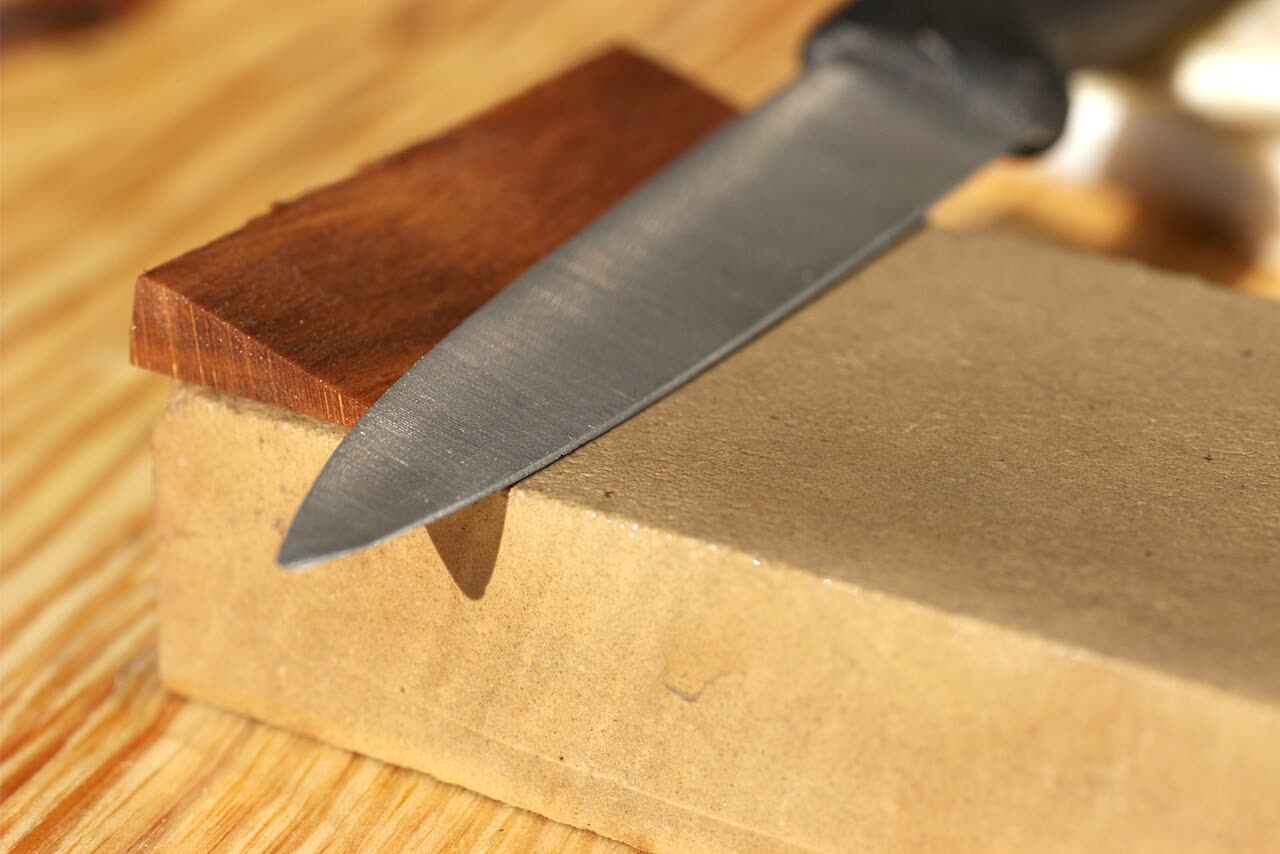
Chinese Cleaver Care: Sharpening Angle and Honing
Most Chinese cleavers are sharpened at 15 to 20 degrees per side. Here is how to find that angle, hone without wrecking it, and fix a dull edge.
Jack Chen · Nov 20, 2026 · 5 min read
Seasonal Recipes
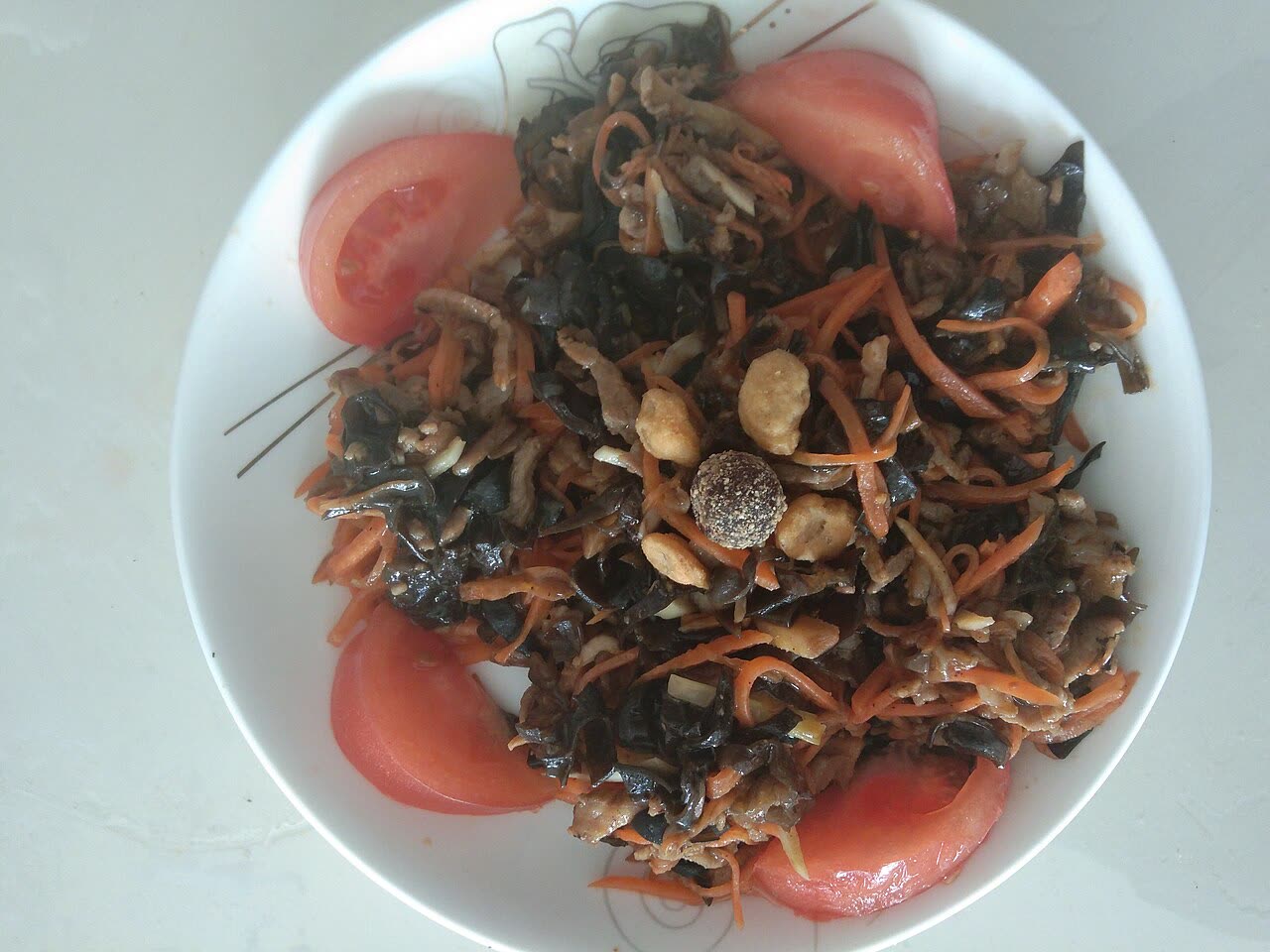
What Keep-Warm Does to Rice After Four Hours
A rice cooker on keep-warm for four hours is still safe to eat, but the texture and smell change. Here is what happens and what to do.
Jack Chen · Nov 19, 2026 · 5 min read
This article shares food culture and personal experience. It is not medical advice. See our medical disclaimer.
Leave a comment
ModeratedNo comments yet. Questions about the method, your family's version, or something I got wrong — write it here and I will read it.