Steamed Egg Custard Ratios: The 1:1.5 Rule, Explained
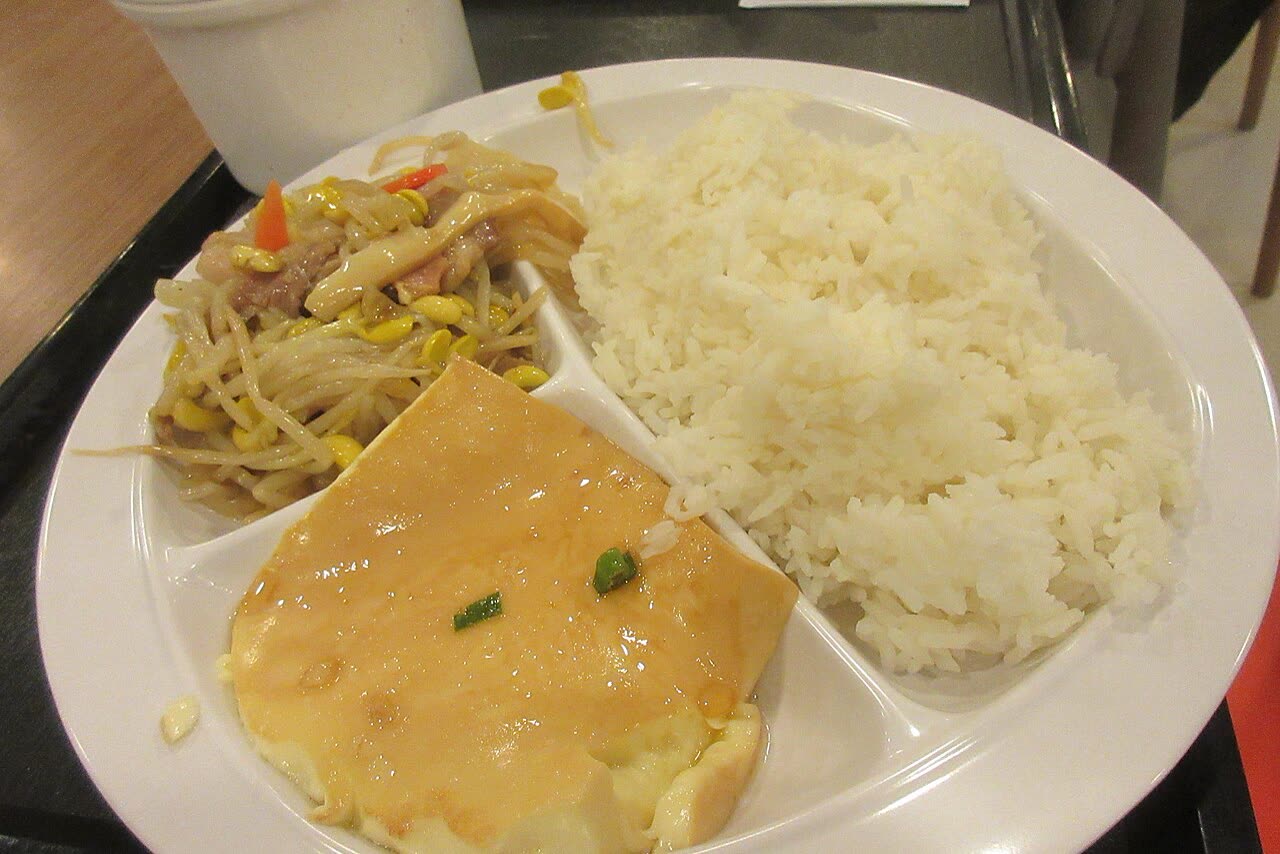
The water-to-egg ratio that makes silky steamed egg custard: 1 part beaten egg to 1.5 parts warm water, strained and steamed covered for 10 to 12 minutes.
Use one part beaten egg to one and a half parts warm water by volume, strain it, and steam covered over gentle heat for 10 to 12 minutes. That is the whole answer. A 1:1 ratio gives you something closer to firm tofu; 1:2 is barely set and weeps water into a puddle. Somewhere between 1.5 and 1.8 is the silky band, and 1.5 is the number I default to because it survives a distracted cook.
In many Chinese households, this dish is made in a chipped enamel bowl with no measurements at all. Cooks judge the water by the ring the egg leaves on the side of the bowl, a system that works perfectly until you try to teach it to someone else. So I sat down with a scale and a measuring cup and ruined a lot of eggs finding the numbers. Here they are.
Why does my steamed egg custard come out with holes in it?
Holes mean steam, and steam means the heat was too aggressive or the bowl was uncovered. Egg proteins set somewhere around 160°F, and once they set they keep contracting if you keep pushing heat at them. The water they were holding gets squeezed out as bubbles and a grey pool around the edge.
Three things fix this. First, cover the bowl. A plate, a lid, or a sheet of foil with a corner vented all work. Second, steam over medium-low, not a rolling boil. Third, use warm water rather than cold, because cold water takes longer to come up to temperature and you end up cooking the outside of the custard while the middle is still cold, which is exactly how you get a rubbery rim.
I also whisk gently. Beating hard whips air into the egg, and those bubbles rise and set in place. Stir in circles with chopsticks or a fork until the yolk and white are just combined. You will still see a few streaks of white. That is fine.
What is the exact ratio, and does the size of the egg matter?
By volume: 1 part egg to 1.5 parts water. By weight, one large egg out of the shell is about 50 grams, so use 75 grams of water for a single serving. For a family portion, three large eggs (roughly 150 grams) and 225 grams of warm water fills a shallow bowl nicely and steams in about 12 minutes.
Egg size matters less than you would think because you are measuring the egg, not counting it. If your eggs are small, weigh them and do the math. If you are cooking by eye, crack the eggs into the bowl, beat them, then add water until the total volume is two and a half times the egg volume. That is the same as 1:1.5. I keep a cheap kitchen scale on the counter for this and use it more than I expected to.
For a single egg, 75 grams of water is a small splash, about five tablespoons. For eight people, scale it up but use two bowls rather than one deep one, because a deep custard sets unevenly.
Should I use hot water, cold water, or stock?
Warm tap water is the answer. Not boiling, which can start setting the egg as you pour, and not cold, which drags out the cooking time. Some cooks swear by hot water and a fast steam; I have done it and it works, but it leaves less margin for error, and I have burned enough breakfasts to want the margin.
Stock is a different dish, and a good one. Swap half the water for cooled chicken stock and you get something closer to a savoury chawanmushi. Use a light stock, not a salty one, because the custard concentrates flavour. If all you have is bouillon, use a quarter teaspoon of the paste in 225 grams of water and skip the soy sauce at the end.
For the American supermarket version: Swanson unsalted chicken broth, 110 grams, plus 115 grams water, for three eggs. That is the substitution I use when I want the savoury version and I am not making stock from a carcass.
What do I do about the foam and the straining step?
Skim it. After you beat the egg and water together, you will have a layer of foam on top. Let the bowl sit for a minute and the foam settles, then spoon it off, or pour the mixture through a fine-mesh strainer into the steaming bowl. Straining catches the bits of chalaza, the white stringy part, and any stubborn foam. It is the single step that most separates a smooth top from a pitted one, and it takes fifteen seconds.
If you do not own a fine strainer, use a tea strainer or a sieve lined with a piece of cheesecloth. Do not use a colander; the holes are too big and everything goes through.
Then, and this is the part that feels fussy but is not, pop any remaining bubbles with the tip of a chopstick or a spoon. A custard surface is a mirror, and it shows every bubble you left behind.
How long do I steam it, and how do I know it is done?
Ten to twelve minutes for a shallow bowl over medium-low heat, with the lid on. A deep bowl takes 15 to 18. The custard is done when the centre jiggles like a soft-set flan, not like water, and a skewer poked into the middle comes out with a little custard clinging to it rather than clean.
Rest it, covered, off the heat for two minutes. It firms as it cools, and cutting into it too early gives you a runny middle that then sets on the plate.
Seasoning: a teaspoon of light soy sauce and a few drops of sesame oil on top, plus sliced scallion if you have it. For the savory version, a pinch of white pepper. For a sweet version, skip the soy and use a tablespoon of sugar in the water, dissolved before it goes in.
This is a bowl I make in every season, but it earns its place in the rotation in the cold months, when the kitchen is warm from the steamer and a soft, hot spoonful is what I want before anything else. Children in many Chinese households eat it with a spoon and a lot of rice. Cooks who once judged water by the ring on the bowl tend to approve of the scale, eventually.
Sources
Keep reading
- Winter Melon Candy: The Cantonese Sweet That Takes All Afternoon
- Scallion Pancakes With a Shortcut Dough
- How to Blanch Meat Before Braising
- Dried Scallops: Worth It or Not?
Photo: Guleimngtaou Haioo / CC BY-SA 4.0 via Wikimedia Commons · Photo: Seazhsuwhoam / CC BY-SA 4.0 via Wikimedia Commons
Frequently asked questions
What is the best egg-to-water ratio for steamed egg custard?
One part egg to 1.5 parts water by volume. For a large egg, that is about 50 grams of egg to 75 grams of warm water. Go up to 1:1.8 for a softer set.
Can I use milk instead of water?
Yes, but use whole milk at the same 1:1.5 ratio and steam a minute or two longer. The result is richer and closer to a savoury custard; skim milk tends to separate.
Why does my custard have a pool of water around the edge?
Overcooking or too-high heat. The egg proteins squeeze out water as they set. Cover the bowl, steam over medium-low, and pull it when the centre still jiggles.
About the author
Writer & Home Cook
Chinese home cook writing about seasonal food traditions from an American kitchen. Grew up in Guangdong, now cooks for a mixed family in the US.
Keep simmering
Seasonal Recipes
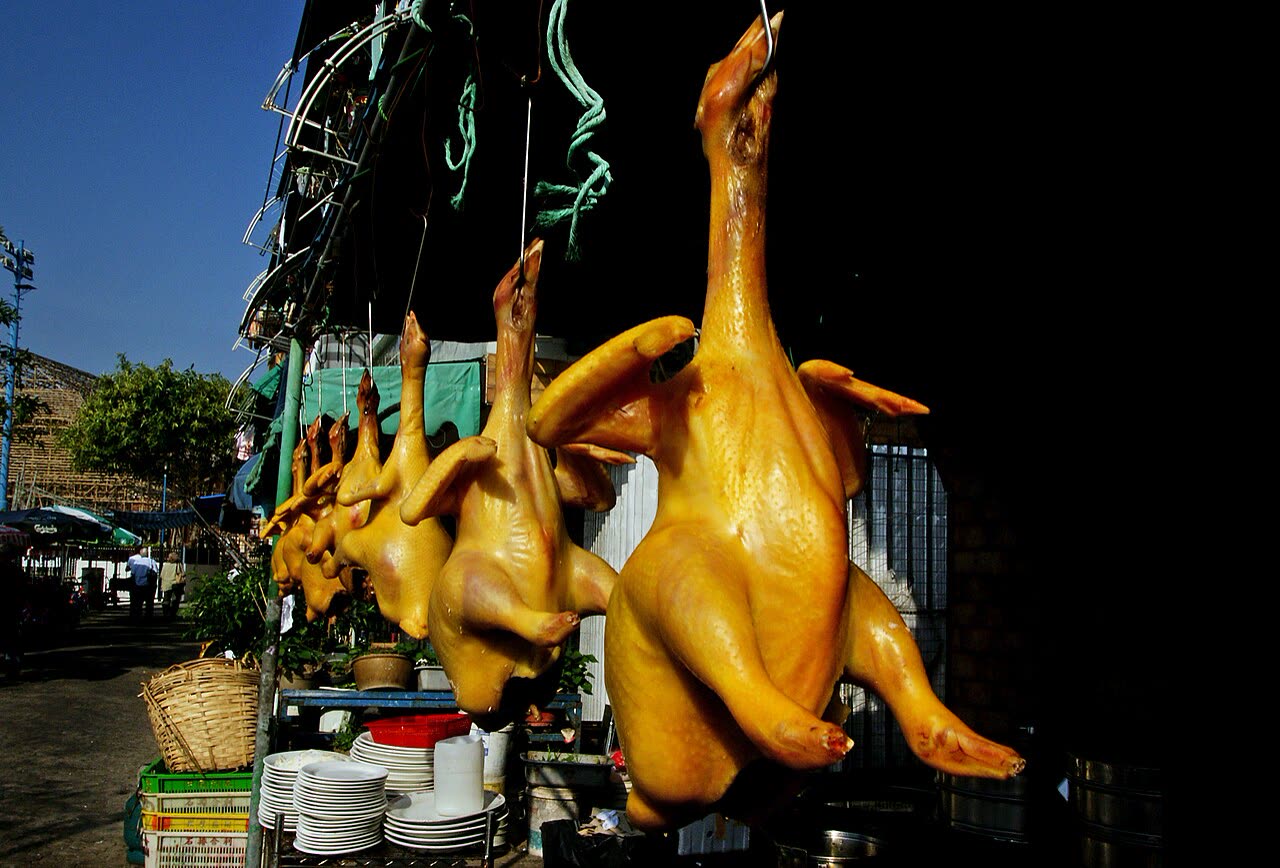
What to Do With Leftover Roast Duck
A whole Cantonese roast duck costs about $28 and feeds two. Here is how to use the rest: reheating, noodles, fried rice, and the bones.
Jack Chen · Nov 24, 2026 · 6 min read
Seasonal Recipes
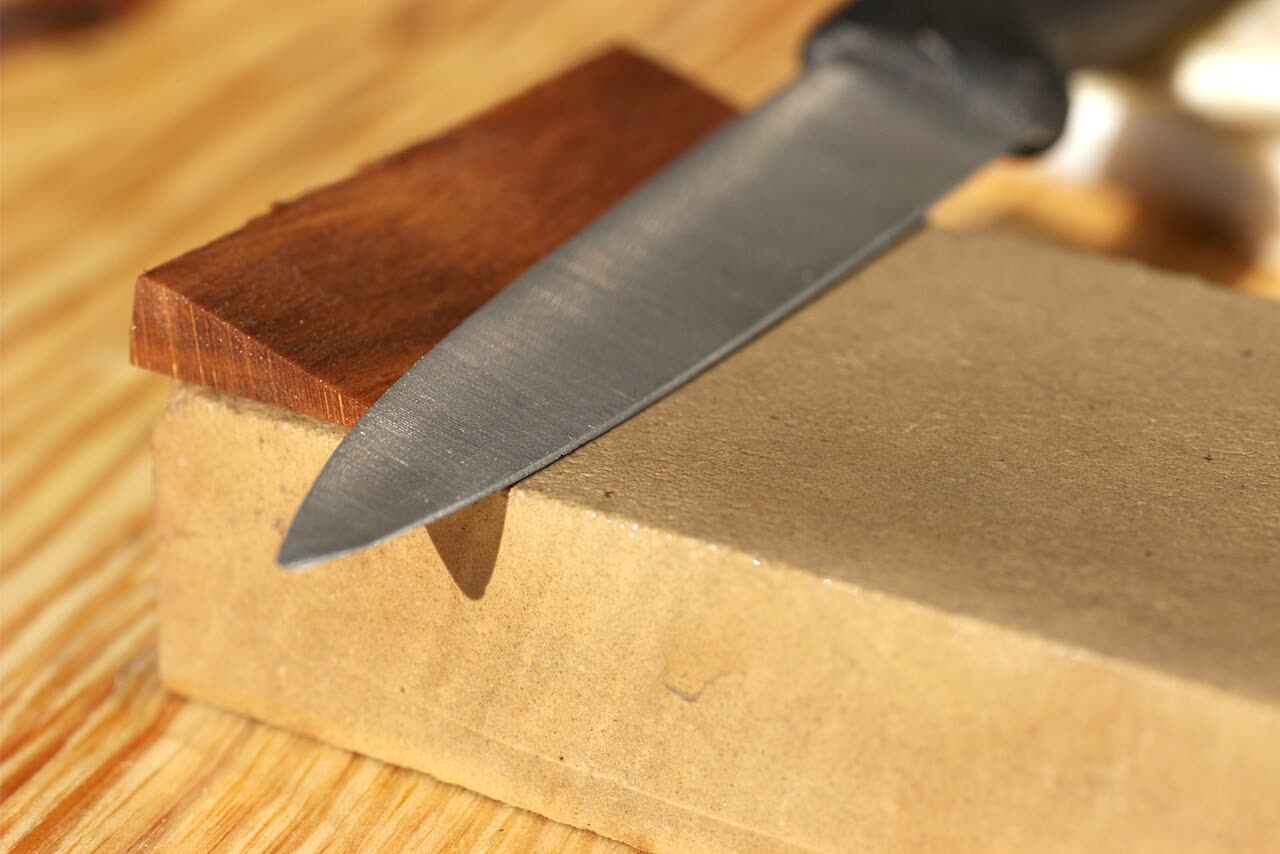
Chinese Cleaver Care: Sharpening Angle and Honing
Most Chinese cleavers are sharpened at 15 to 20 degrees per side. Here is how to find that angle, hone without wrecking it, and fix a dull edge.
Jack Chen · Nov 20, 2026 · 5 min read
Seasonal Recipes
What Keep-Warm Does to Rice After Four Hours
A rice cooker on keep-warm for four hours is still safe to eat, but the texture and smell change. Here is what happens and what to do.
Jack Chen · Nov 19, 2026 · 5 min read
This article shares food culture and personal experience. It is not medical advice. See our medical disclaimer.
Leave a comment
ModeratedNo comments yet. Questions about the method, your family's version, or something I got wrong — write it here and I will read it.