How to Blanch Meat Before Braising (And When It Actually Matters)
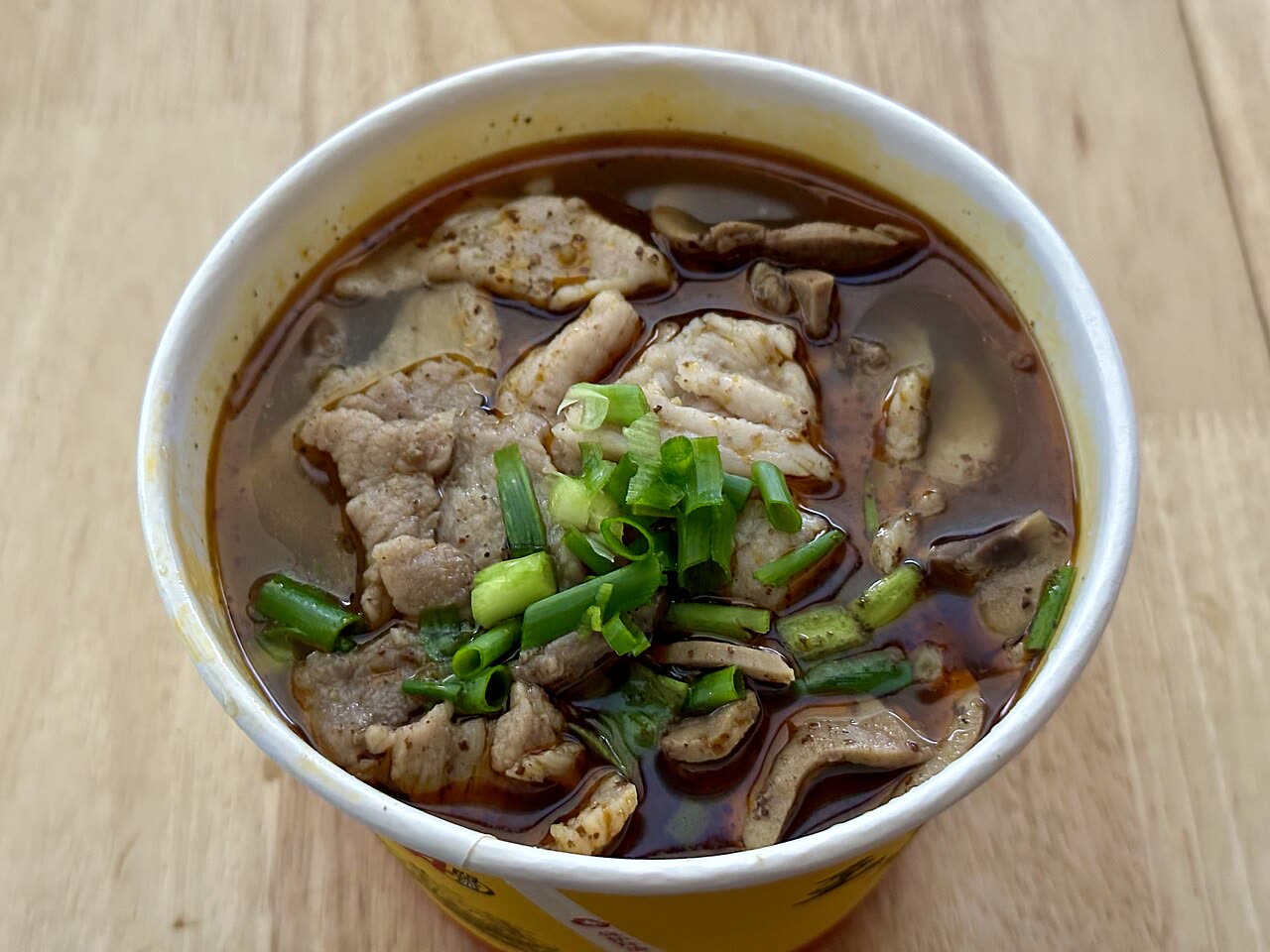
Cold water, a 2 to 4 minute boil, then rinse. What the grey scum is, why a cold start beats a hot one, and when skipping the blanch is fine.
Blanching means putting the meat in cold water, bringing it to a boil for two to four minutes, then draining and rinsing off the grey scum that floats up. That's it. Do it before braising pork belly, beef shank, ribs, or chicken, and you get a pot of sauce that tastes like soy and star anise instead of boiled blood and bone dust. In Cantonese households this is standard practice, and it's what I do in a kitchen in Ohio with a slab of pork belly from Costco.
Why blanch meat at all if you're going to cook it for two hours?
Because the stuff you're skimming off doesn't disappear. It coagulates, sinks, and turns into a grey foam that clings to the meat and clouds the braise. The scum is mostly blood proteins and marrow residue. Left in the pot, it gives the sauce a metallic, faintly liverish edge that no amount of sugar and star anise hides. It also scuds up the surface of the finished dish.
The second reason is temperature control. A cold-water start pulls impurities out gradually as the water heats. Dropping meat into already boiling water seals the outside fast, keeps the blood in, and you spend the next ten minutes chasing foam. Cold start, low simmer, skim, done.
The third reason is practical: a blanched piece of pork belly is firm enough to cut cleanly. Try cubing raw belly that's been in the fridge and you get squashed, ragged chunks. Thirty seconds in hot water and the knife goes through like butter.
Does the water need ginger and shaoxing, or is plain water fine?
Plain water is fine, and that's what I use most of the time. Ginger slices and a splash of shaoxing wine are traditional and they do help with pork that's a little older, but they're not doing the heavy lifting. The blanch is a rinse, not a marinade. Anything you add here gets poured down the drain anyway.
What I do keep: a few slices of ginger and one scallion for pork, nothing for beef. Beef gets blanched in plain water because I want the braise to taste of beef and soy, and ginger in the blanch water muddies that. Chicken gets ginger because chicken scum is the least pleasant of the three.
If you're blanching oxtail or beef shank for a long braise, blanch twice. Bring to a boil, drain, rinse the pot, and repeat once with fresh cold water. Oxtail in particular releases a lot of blood, and the second blanch saves you twenty minutes of skimming later.
How long, and how do I know when it's done?
Two to four minutes at a bare simmer after the water comes up. You're not cooking the meat, you're cleaning it. The signal is visual: the outside has gone from pink to pale grey, the foam has risen and been skimmed, and no more pink liquid seeps out when you press a piece with tongs.
For a whole pork belly slab, four minutes. For cut chunks, two to three. For chicken pieces on the bone, three minutes, and be gentle, because a hard boil will tear the skin. For beef shank, four to five minutes, and expect a lot of foam.
Do not boil hard. A rolling boil agitates the meat, breaks up the surface, and pushes more scum into the water instead of letting it float where you can take it off. A lazy simmer with the lid off is what you want.
Then drain in a colander and rinse each piece under warm running water, rubbing off any grey bits stuck to the surface with your fingers. Warm water, not cold, because cold water makes the fat seize and the surface tacky. Pat dry before it goes into the braising pot, or it will spit when it hits hot oil for the sear step.
What if I'm braising something delicate, like fish or tofu?
Don't blanch it. This method is for pork, beef, chicken, lamb, and offal. Fish falls apart, and tofu doesn't have blood proteins to purge. If you want to firm up tofu before braising, salt it and press it for twenty minutes instead.
For lamb, blanch with a couple of slices of ginger and a tablespoon of shaoxing, because lamb scum is stronger than pork's. For duck, blanch three minutes and then pour a kettle of boiling water over the skin, which tightens it for the later crisp step.
What do I do with the blanching water?
Pour it out. It is not a stock. It's the water that holds everything you just removed from the meat, and it tastes exactly like that. Some home cooks skim it hard and use it as braising liquid, but I've never had a braise improve from it. Fresh water, or a light stock, or just soy, sugar, and aromatics.
US supermarket substitutions
No special ingredients are needed for the blanch itself. For the braise that follows, the swaps I actually make in an American kitchen:
- Shaoxing wine (2 tbsp): dry sherry (2 tbsp) is the closest match. Do not use cooking wine labelled "cooking wine," which is salted.
- Rock sugar (1 oz, about 25 g): granulated sugar (1 oz, 2 tbsp) works, but add it later and watch the heat, because it caramelises faster.
- Dark soy sauce (1 tbsp): regular soy sauce (1 tbsp) plus molasses (1/2 tsp) gets the colour close.
- Chu hou paste or bean paste (1 tbsp): hoisin (1 tbsp) is sweeter; use 2 tsp hoisin plus 1 tsp soy if you want it less sweet.
- Fresh shaoxing-style rice wine for the pot (1/4 cup): dry vermouth (1/4 cup) is a decent stand-in.
- Star anise (2 pods): ground five-spice (1/4 tsp) in a tea ball, though whole is better if you have it.
One note on pork belly: American supermarket pork belly is often skinned and trimmed thinner than what you'd get at a Cantonese butcher. Blanch it two minutes instead of four, or it will start rendering before it hits the braise.
The habit, not the recipe
Blanching is one of those steps that looks like fussiness until you skip it once and taste the difference. In many Chinese households, the water isn't measured and the time isn't clocked. The meat goes in a pot, cold water runs over it, the pot goes on the stove, and someone stands there with a spoon until the foam comes up. Then it's rinsed and the braise gets on with it.
That's the whole technique. Cold water, gentle heat, skim, rinse, drain, dry. Four minutes of standing at the stove that buys you two hours of a cleaner pot and a sauce you actually want to spoon over rice.
If you're braising this weekend, blanch first. Your soy sauce will thank you, and so will whoever does the dishes.
Sources
Keep reading
- Winter Melon Candy: The Cantonese Sweet That Takes All Afternoon
- Steamed Egg Custard Ratios: The 1:1.5 Rule
- Scallion Pancakes With a Shortcut Dough
- Dried Scallops: Worth It or Not?
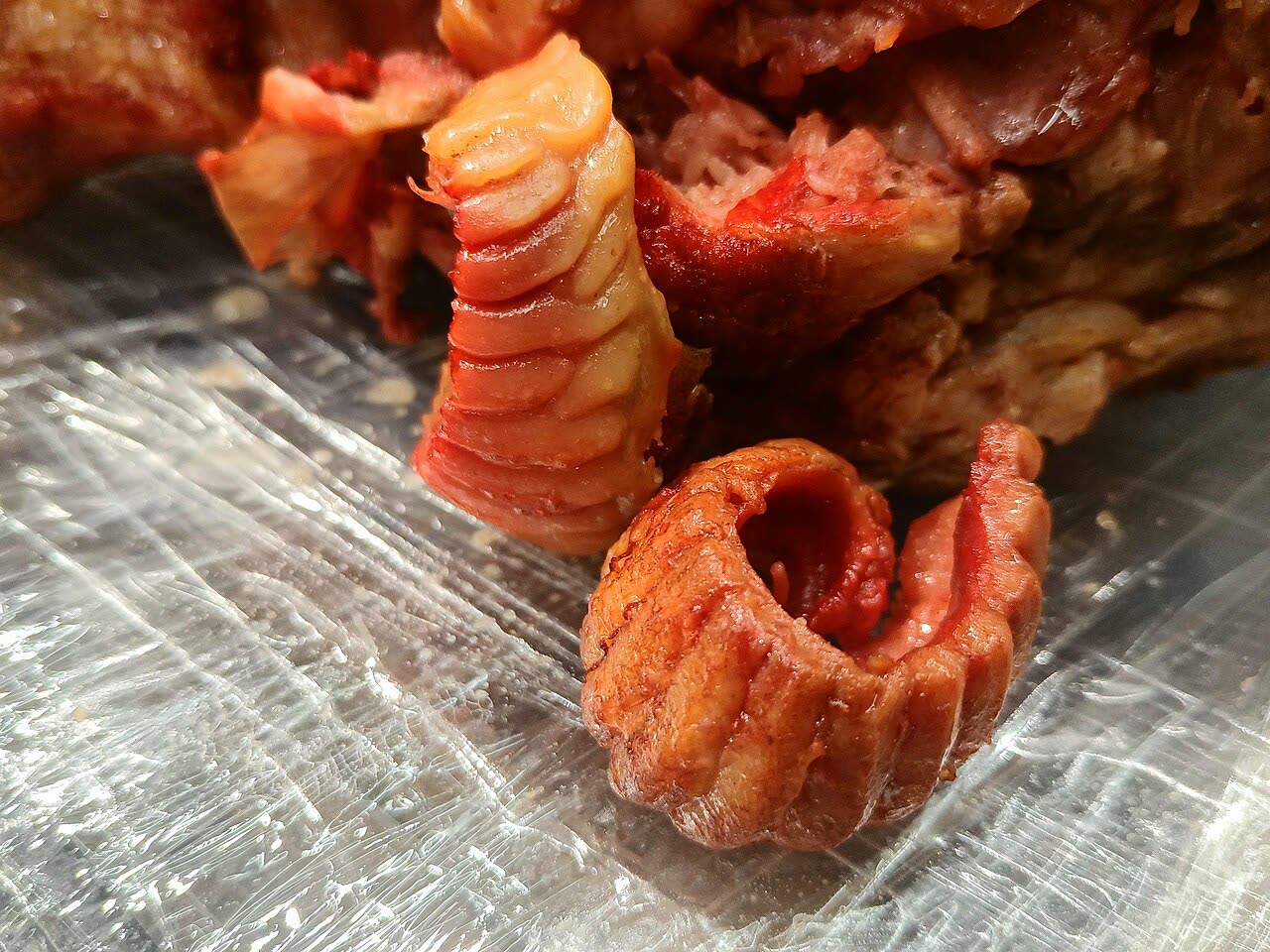
Photo: Zheng Zhou / CC BY-SA 4.0 via Wikimedia Commons · Photo: Fumikas Sagisavas / CC0 via Wikimedia Commons
Frequently asked questions
Can I blanch meat the night before?
Yes. Blanch, rinse, drain, pat dry, and refrigerate in a covered container for up to a day. Bring it out 20 minutes before braising so it isn't fridge-cold when it hits the pot.
Why does my blanching water turn brown so fast?
That's blood and marrow residue leaving the meat, which is the point. Beef shank and oxtail go brown within a minute. Skim the foam off as it rises and keep the heat low so it doesn't churn back into the water.
Do I have to blanch chicken before braising it?
It's worth it for bone-in pieces. Three minutes in a gentle simmer pulls out the scum that would otherwise cloud a soy braise. Boneless thighs can skip it, though I usually don't.
About the author
Writer & Home Cook
Chinese home cook writing about seasonal food traditions from an American kitchen. Grew up in Guangdong, now cooks for a mixed family in the US.
Keep simmering
Equipment & Techniques
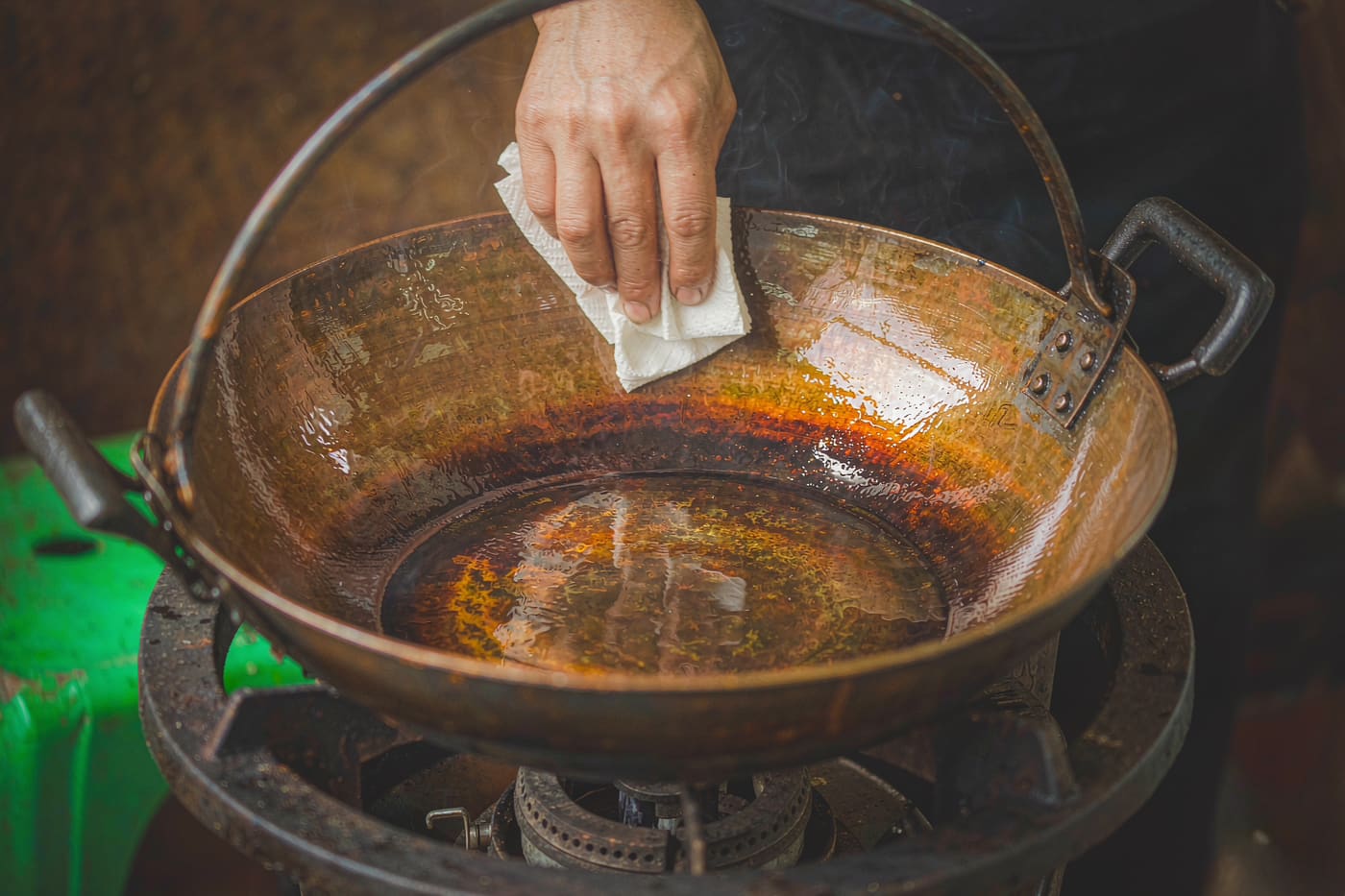
Seasoning a Carbon Steel Wok: The Method, and How to Fix It
Twenty minutes, four paper-thin coats of oil, one rule: use less than you think. The full method, plus fixes for sticky, flaking and rusty woks.
Jack Chen · Nov 10, 2026 · 6 min read
Equipment & Techniques
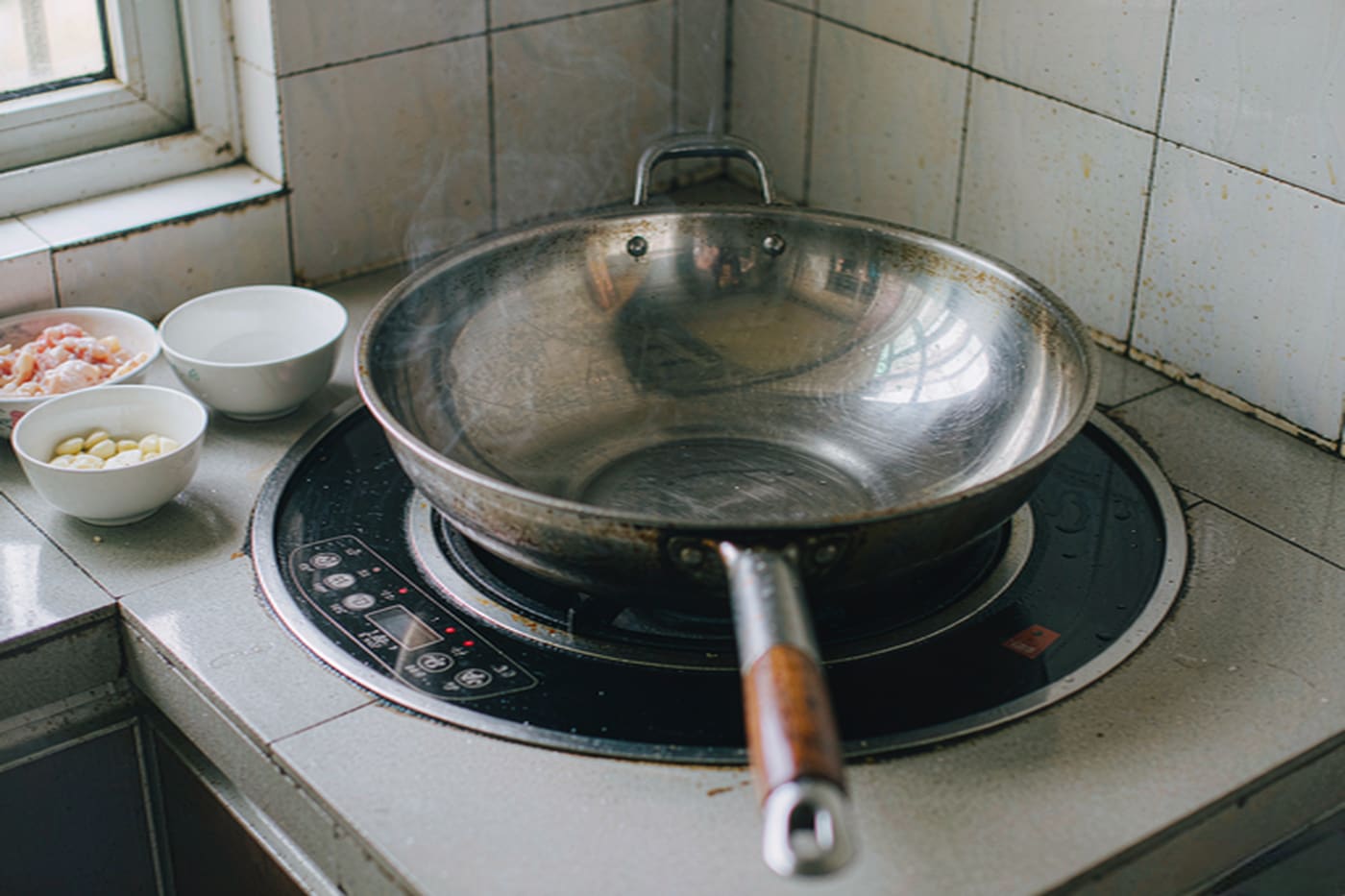
Gas vs Electric vs Induction for Stir-Frying
Gas still wins for wok cooking, induction is the best compromise with a flat-bottom wok, and a coil element is workable with the right adjustments.
Jack Chen · Nov 10, 2026 · 6 min read
Equipment & Techniques
What Is Wok Hei, and Can You Get It on a Home Stove?
Wok hei is the seared aroma of fat hitting metal hotter than most home stoves allow: what it is, why restaurants get more, and four ways to close the gap.
Jack Chen · Nov 10, 2026 · 6 min read
This article shares food culture and personal experience. It is not medical advice. See our medical disclaimer.
Leave a comment
ModeratedNo comments yet. Questions about the method, your family's version, or something I got wrong — write it here and I will read it.