Why Chinese Soups Simmer for Hours (and What That Actually Costs)
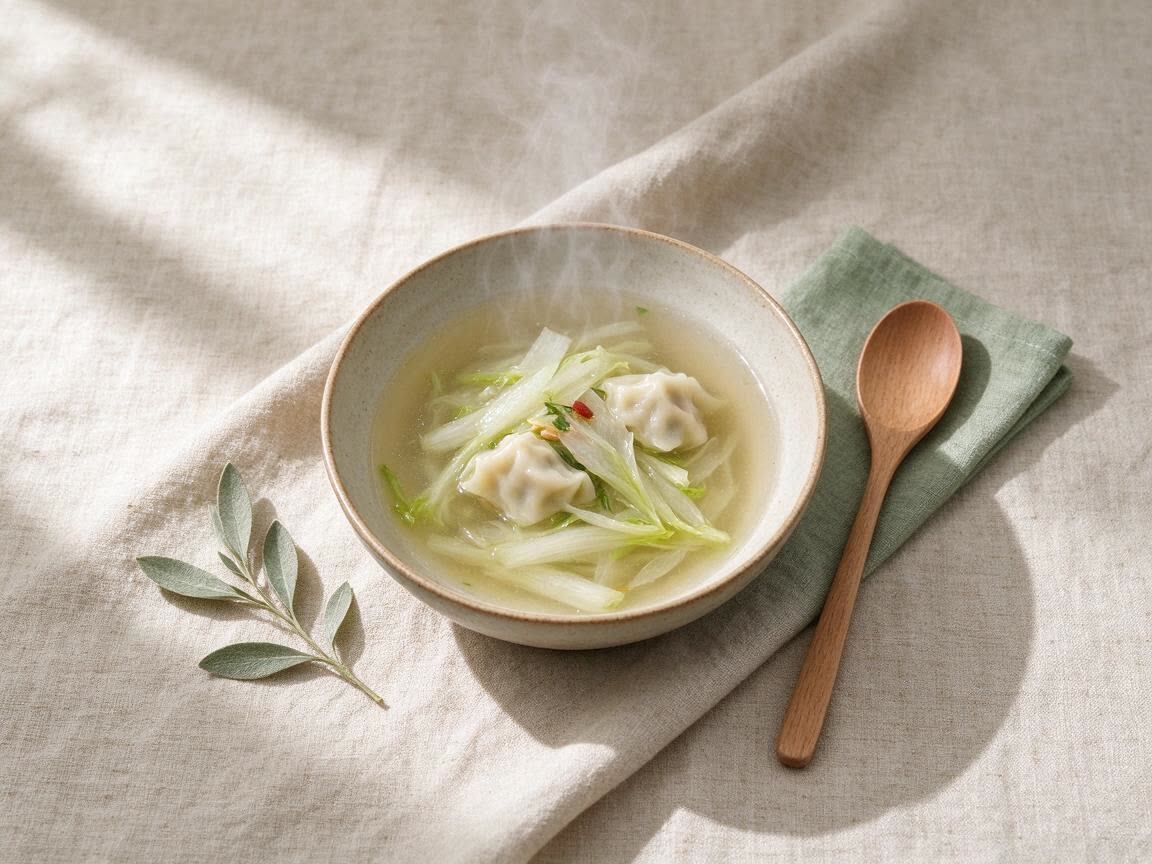
Long-simmered Chinese soup is a technique, a habit and a budget line. Here is what bones, aromatics and fuel cost, and why cheap cuts reward the time.
A pound of pork neck bones is $1.99 at the Chinese grocer on the corner and $4.49 at the supermarket two blocks further. That gap, repeated across a pot, is most of the answer to why Chinese soups simmer for hours: the cuts that reward time are the cuts that cost least.
Long simmers are not a spiritual practice. They are what happens when a kitchen buys cheap collagen-rich parts, adds water, and lets heat do the work of extracting flavor and body. A Cantonese clear soup (清汤, qing tang) and a northern bone broth are both, at bottom, a way of turning $3 of scraps into two litres of something that tastes like a meal.
What actually happens during a long simmer?
Bones, tendons, feet and skin are mostly collagen. Held at a bare simmer, roughly 85–95°C (185–205°F), collagen slowly converts to gelatin, which is why a good stock goes slightly sticky when chilled. Boiling hard does not speed this up usefully; it just emulsifies fat and clouds the liquid.
The other half is time for aromatics. Ginger, dried citrus peel, star anise and dried scallop release their compounds gradually. A 20-minute simmer gives you ginger water. Two hours gives you soup. The difference is not subtle: at 20 minutes the liquid tastes like hot water with a slice of ginger in it; at two hours it coats the back of a spoon.
Most Chinese home cooks I know keep the pot at a lazy tremble, lid ajar, and skim once or twice early. That is the whole technique. The rest is scheduling. The pot does not need watching, but it does need to be started early enough that dinner is not at nine.
Why not just use stock cubes or a pressure cooker?
You can, and plenty of households do on weeknights. A pressure cooker gets collagen conversion done in 40 minutes and is genuinely good for pork bones and chicken carcasses. What it does less well is the slow aromatic layering, and it strips the skim-and-taste rhythm that lets you correct seasoning as you go.
Stock cubes are a different product. They are salt with yeast extract and flavoring; they season liquid, they do not build body. If a recipe calls for a long simmer and you substitute cubes, you get a salty broth with no mouthfeel. Better shortcut: a pressure cooker for the bones, then 20 minutes uncovered with the aromatics.
The cost comparison: Chinese grocer vs US supermarket
Prices below are typical for a mid-size US city in 2024–2025. Chinese grocers vary a lot by region, so treat these as a shape, not a quote.
| Item | Chinese grocer | US supermarket |
|---|---|---|
| Pork neck bones, 1 lb | $1.99 | $4.49 |
| Chicken backs/feet, 1 lb | $1.29 | $3.29 (if stocked) |
| Whole ginger, 1 lb | $2.49 | $4.99 |
| Dried shiitake, 4 oz | $3.99 | $7.49 |
| Dried citrus peel, 2 oz | $2.29 | $5.99 (specialty aisle) |
| Daikon, 1 lb | $0.89 | $1.79 |
| Light soy sauce, 16 oz | $2.19 | $3.99 |
| Rock sugar, 1 lb | $1.99 | $4.29 |
A two-hour pot of pork bone soup with daikon and ginger runs about $4.50 at the Chinese grocer and about $9.50 at the supermarket. The bones are the biggest single difference, and they are exactly the item a mainstream store is least likely to carry.
Fuel is the hidden line. Two hours on a medium-low gas burner is roughly 20–30 cents in most US markets; on electric, closer to 40–60 cents. Induction is cheaper still. The simmer is not the expensive part. The ingredients are.
For a first-time American cook, the shopping list is short: a pound of pork neck bones or chicken backs, a knob of ginger, a small bag of dried shiitake, a piece of dried citrus peel, and a daikon. Skip the rock sugar and soy sauce for now; they matter more in braises. If your supermarket butcher does not stock backs, ask at the counter. Many will sell a bag of backs for around $2.50 even when there is none on display.
What do you actually put in the pot?
A workable home formula, scaled to a 4-litre pot:
- 1.5 lb pork neck bones or chicken backs, blanched 3 minutes and rinsed
- 3 litres cold water
- 4 slices ginger, smashed
- 2 dried shiitake, soaked
- 1 small piece dried citrus peel (about the size of a thumbnail)
- 1 lb daikon, cut in wedges, added in the last 40 minutes
- Salt to taste at the end
Bring to a boil, drop to a tremble, skim, and hold 1.5–2.5 hours. Salt only at the end; salting early tightens the meat and mutes the aromatics. If you want a clearer soup, never let it boil after the first five minutes.
What goes wrong, and how to notice: if the soup tastes flat and watery after two hours, you likely used too much water for the bones. The fix is to keep simmering uncovered for another 30 minutes, not to add more bones. If it tastes muddy or greasy, you let it boil; skim the fat and accept a cloudier result. If the daikon is mushy and translucent, it went in too early. If the broth gels firmly when chilled, the collagen did its job; if it stays thin, you needed another hour or a higher bone-to-water ratio.
A note on storage: cool the pot quickly, refrigerate within two hours, and use within three days or freeze in 500 ml portions. The gelatin sets when cold, which is the sign the simmer did its job.
Is this a wellness thing or a food thing?
Food. Long-simmered soup is a frugal, tasty way to use inexpensive cuts, and it is eaten as part of a meal, not as a supplement. I keep dried citrus peel in a mason jar because it lasts for years and costs almost nothing, not because of any property beyond flavor. Anyone selling you a bone broth as a wellness product is selling you the $9.50 version of a $4.50 pot.
The habit persists because it fits how households actually cook: start the pot, leave it, do something else, eat at the end. That is the entire case for the hours. In a northern household, the same pot might get a handful of dried vermicelli and a splash of black vinegar at the table; in a Cantonese one, it stays clear and is served alongside rice. The technique is the same; the garnish is regional.
FAQ
Do I have to blanch the bones? No, but it removes scum and gives a cleaner-tasting, clearer soup. Three minutes in boiling water, then rinse under cold water.
Can I make this in a slow cooker? Yes. Set it on low for 6–8 hours, but brown nothing and expect a slightly flatter flavor. Add aromatics in the last hour.
What if I cannot find pork neck bones? Chicken backs, wings or a whole chicken carcass work. Ask the butcher counter; many supermarkets will sell backs cheaply if you ask, even when they are not on display.
Why does my soup taste thin? Usually too much water for the amount of bone, or too short a simmer. Aim for roughly 2:1 water to bones by weight and hold at least 90 minutes.

Keep reading
- Food as Seasoning, Not Medicine: What "Shiliao" Actually Means in a Chinese Home
- Why Chinese Breakfast Is Warm: Congee, Soy Milk and the Logic of Morning
- Rice Cooker vs Clay Pot: Which One for Chinese Rice?
- Using a Wok on an Electric Stove: What Actually Works
Sources
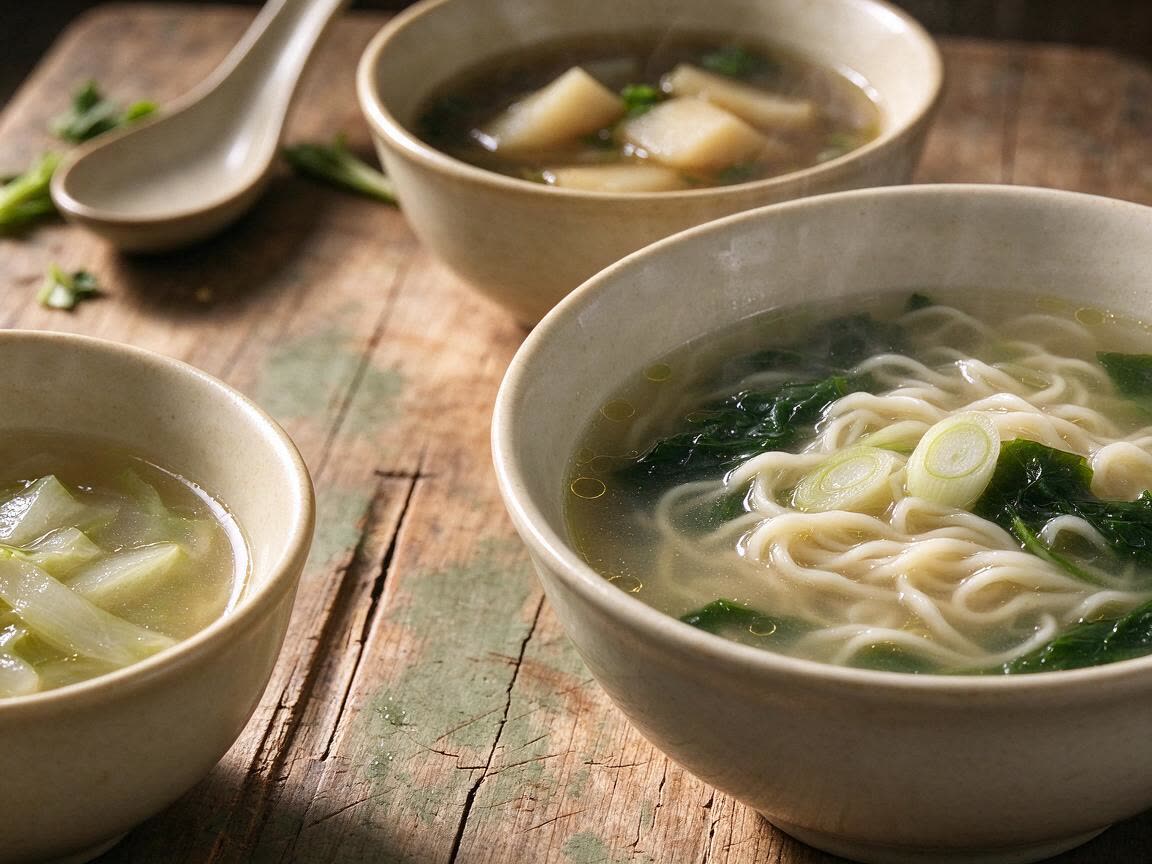
Photo: Jason M. C., Han / CC BY-SA 4.0 via Wikimedia Commons · Photo: Florstein ( Telegram: WikiPhoto.Space ) / CC BY-SA 4.0 via Wikimedia Commons
Frequently asked questions
Do I have to blanch the bones before simmering?
No, but a three-minute blanch in boiling water followed by a cold rinse removes scum and gives a clearer, cleaner-tasting soup.
Can I make long-simmered Chinese soup in a slow cooker?
Yes. Low for 6 to 8 hours works, though the flavor is a little flatter. Add ginger, dried shiitake and citrus peel in the last hour so the aromatics do not cook out.
Why does my bone soup taste thin?
Usually too much water for the amount of bone, or too short a simmer. Aim for about 2:1 water to bones by weight and hold a bare simmer for at least 90 minutes.
About the author
Writer & Home Cook
Chinese home cook writing about seasonal food traditions from an American kitchen. Grew up in Guangdong, now cooks for a mixed family in the US.
Keep simmering
Food Culture
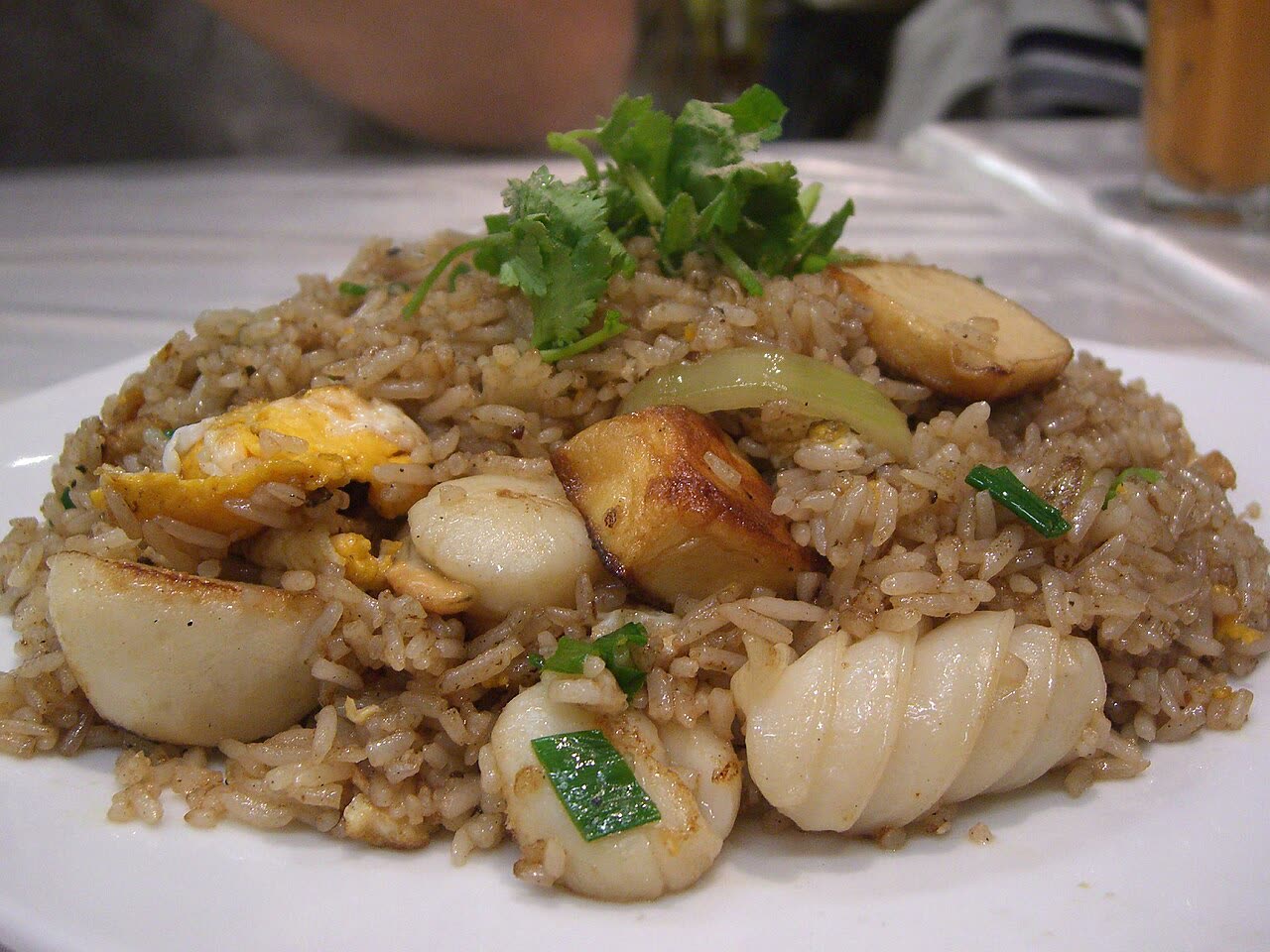
Why Restaurant Fried Rice Uses Day-Old Rice: A Cost Comparison
Day-old rice costs less and fries better. We compare prices at a Chinese grocer vs a US supermarket and explain the technique.
Jack Chen · Nov 21, 2026 · 6 min read
Food Culture
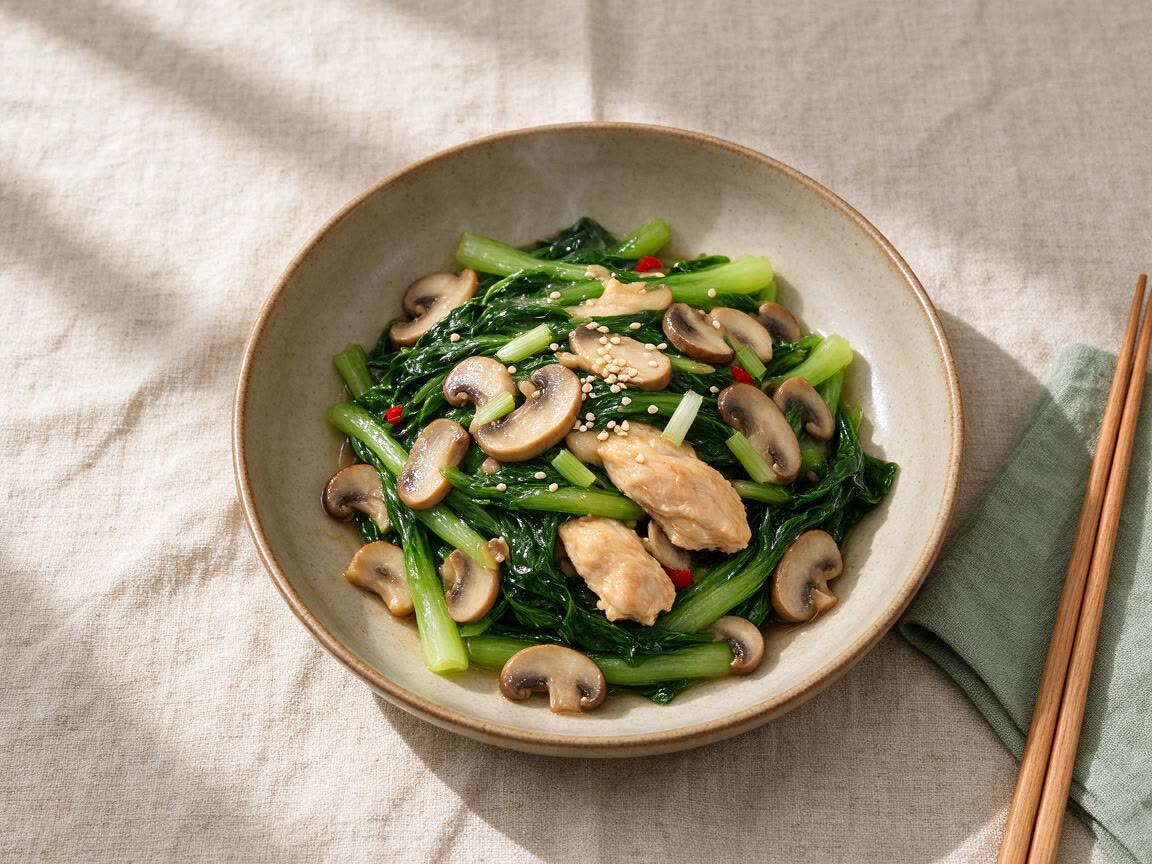
Why Chinese Dinners Are Shared From the Centre (And Why Yours Goes Wrong)
A shared Chinese table fails in 3 predictable ways: one dish per person, dishes sized like mains, no rice anchor. Here is the symptom of each, and the fix.
Jack Chen · Nov 10, 2026 · 7 min read
Food Culture
Mooncake for Beginners: What They Cost and What You Actually Get
Mooncakes cost $8 to $12 at a Chinese grocer and $18 to $25 boxed at a US supermarket. A beginner's guide to what's inside and how to eat them.
Jack Chen · Nov 9, 2026 · 6 min read
This article shares food culture and personal experience. It is not medical advice. See our medical disclaimer.
Leave a comment
ModeratedNo comments yet. Questions about the method, your family's version, or something I got wrong — write it here and I will read it.