Why Chinese Dinners Are Shared From the Centre (And Why Yours Goes Wrong)
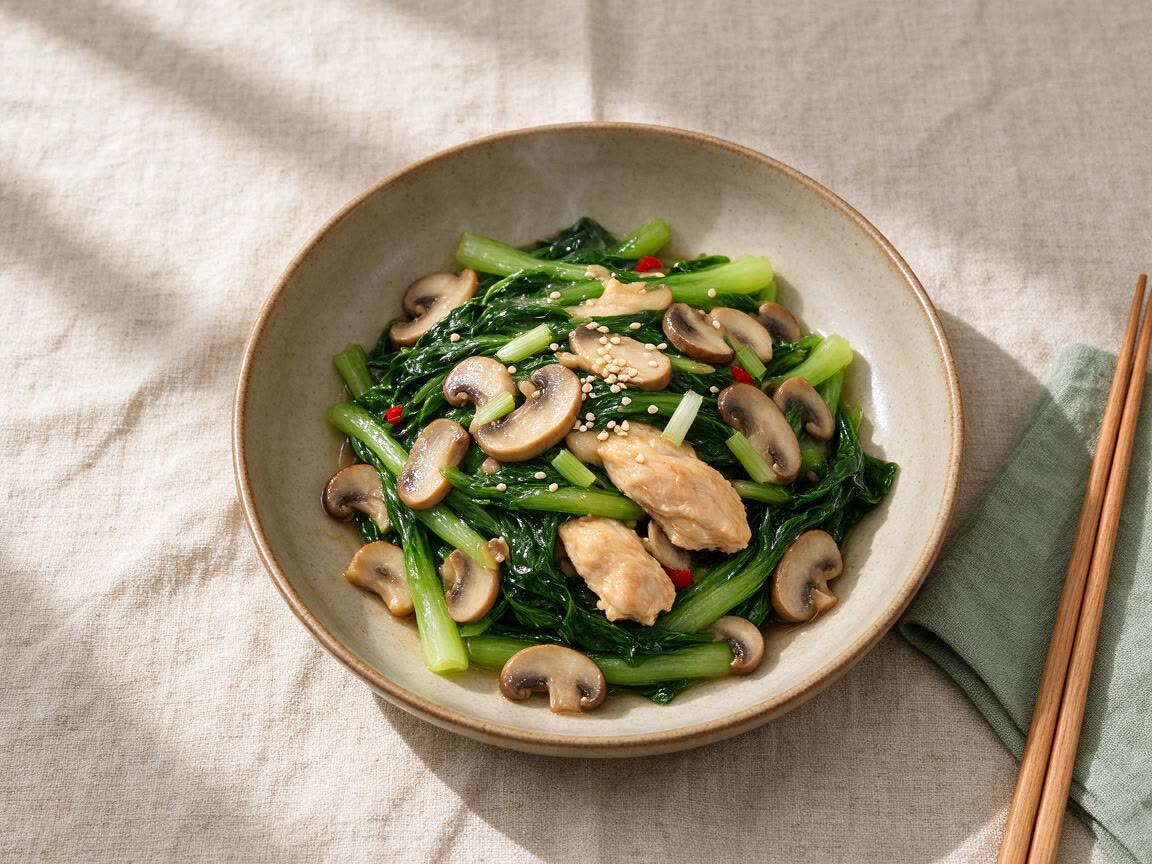
A shared Chinese table fails in 3 predictable ways: one dish per person, dishes sized like mains, no rice anchor. Here is the symptom of each, and the fix.
A head of napa cabbage costs about $2.50 at a US supermarket. A pound of pork shoulder, $4.99. For roughly $9 and forty minutes you can put four dishes on a table for three people, and every one of them is designed to be eaten by everyone. That is the whole logic of a Chinese dinner: not a plate per person, but a centre that everyone reaches into.
The centre is not decoration. It is the operating system. Rice and soup sit at the edges, the dishes sit in the middle, and the meal is the negotiation between them. When that arrangement fails, it fails in a small number of ways. Here are the three I see most, with the symptom and the fix.
Problem one: you cook one dish per person
The symptom. Everyone has a full plate of their own food, the table looks generous, and by the second bite people are quietly bored. Someone asks for hot sauce. The meal feels like three separate dinners that happen to share a tablecloth.
A Chinese home dinner is not a plate, it is a spread: usually one protein, one vegetable, one tofu or egg dish, and soup if the household is southern. Each dish is deliberately undersized for the number of people at the table because no single dish is anyone's whole meal. The rice is the meal. The dishes are what you put on it. In most households a dish that would feed two as a Western main is expected to serve three or four here, because it is never eaten alone.
The fix. Cook fewer portions of more things. For three people, aim for three dishes plus rice, each one serving about two people generously. A braised pork belly, a garlicky greens, a steamed egg custard. Nothing needs to be a main course, because the centre is the main course. If you only have time for two dishes, make one of them wet (a braise, a soup, something with sauce) so the rice has something to do.
Get the quantities concrete and the arithmetic stops being abstract. For three people: 12 ounces of pork belly for the braise, one head of napa cabbage sliced thin, three eggs for a custard beaten with 1 1/2 cups of warm water at a 1:1.5 ratio. That is roughly 4 ounces of protein per person across the whole table, not per plate. If you cook a pound of meat per dish the way a Western recipe tells you, you will end up with leftovers and a centre that never gets cleared.
What goes wrong. The braise is under-reduced. You know because the sauce runs off the rice instead of clinging to it; a pork belly braise should coat the back of a spoon after 60 to 75 minutes uncovered. If it is still thin at 60, take the lid off and let it go another 15. The other failure is a custard that curdles: it happens when the water is too hot or the heat under the steamer is too fierce. Mix the eggs with water at about 100 F, not boiling, and steam over a gentle simmer, not a rolling boil, for 12 to 14 minutes.
Problem two: the table fights the food
The symptom. The dishes are there, but the serving spoons are missing, the bowls are too small, and someone is holding a plate in the air while reaching across. People eat faster than they talk. The centre exists on paper and not in practice.
Shared eating is a physical setup before it is an etiquette. The centre needs to be reachable, and the reaching needs to be easy. In most Chinese households the dishes are smaller than a Western serving platter, roughly eight to ten inches, so several fit within arm's reach of everyone. Chopsticks go into the serving dish and then onto your rice bowl; the rice bowl stays yours, the dishes do not.
The fix. Use smaller serving dishes and more of them. Put a serving spoon or a pair of serving chopsticks in every dish before anyone sits down. Give each person a rice bowl and a small plate for bones and scraps, which is standard in Chinese homes and solves the where-do-I-put-this problem that makes people eat one-handed. Lazy Susans are not a gimmick; a $15 one at any restaurant supply store makes a round table work for six people.
The equipment that matters most is the rice bowl itself. A 4- to 5-inch Chinese rice bowl, about $2 each at an Asian grocery or $8 for a set of four online, is the right size: it holds a portion you can finish while it is hot and refill, rather than a mound that goes cold. Western dinner plates are the wrong tool for this meal, and most of the table problems people describe come down to using them. Keep the rice bowl small and the serving dishes shallow.
One habit worth keeping: the rice bowl is held close and the dishes come to it. You do not chase food around the table.
Problem three: nobody manages the pace
The symptom. The first dish is gone before the second is ready, or everything lands at once and goes cold, or the cook is still in the kitchen while everyone else has finished. The centre empties unevenly and the cook eats alone.
Chinese home cooking is sequenced, not simultaneous. Dishes come out as they are done, and people start eating when the first one lands. Rice is cooked first and kept warm. Cold dishes, if there are any, go out early and hold. Stir-fries go out last because they are best in the first five minutes.
The fix. Cook in this order: rice on, braise or soup on, cold dish or pickles out, then the quick stir-fries. Tell people to start. The cook should be at the table by the time the second hot dish lands, and the way to do that is to have one dish that can sit. A braise reheats; a stir-fry does not.
What goes wrong. The classic failure is a greens dish that sits on the counter waiting for the rest and arrives limp and grey. You know it has gone too far when the stems bend without resistance and the leaves have collapsed to a quarter of their volume. Cook greens last, in a hot pan with 1 tablespoon of oil and 2 cloves of sliced garlic, for 2 to 3 minutes, and carry them straight to the table. The second failure is rice that finishes early and dries out; hold it covered off the heat for up to 30 minutes, no longer, or cook it in a rice cooker on the keep-warm setting, which most Chinese kitchens do.
There is also a portion reality here. A shared table makes people eat more slowly because they are choosing, not just consuming. That is the point. The meal is long because the centre is still there.
What about hygiene and double-dipping?
It comes up every time this topic does, so: serving chopsticks, called gongkuai, are normal and increasingly common in Chinese households. Use them. A pair of serving chopsticks per dish costs nothing and removes the entire objection. The bowl in front of you is yours; the dishes in the middle are shared, and shared means served, not excavated. A simple rule: the chopsticks that touch your mouth never go back into a shared dish.
Can I make this work with Western supermarket ingredients?
Yes, and the substitutions are cheap. Napa cabbage ($2.50 a head) stands in for bok choy. Regular scallions work in place of Chinese chives. A $3 bag of frozen edamame replaces fresh soybeans. For the braise, pork shoulder from the meat counter is the right cut and the right price, around $4.99 a pound; country-style ribs work if shoulder is out. Light soy sauce, dark soy sauce, Shaoxing wine and sesame oil are the four bottles worth buying, roughly $12 total at an Asian grocery and available on Amazon if you have no Asian market nearby. Skip anything labelled a wellness tonic. This is dinner, not a program.
For a first shop, buy: one 12-ounce piece of pork belly or shoulder, one head of napa cabbage, a dozen eggs, a bag of rice, a small bottle each of light and dark soy, a bottle of Shaoxing wine, a jar of sesame oil, and a $10 rice cooker if you do not have one. That is under $40 and covers the first several dinners.
Start with three dishes. Serve them from the middle. Put spoons in. Sit down before the food goes cold.
Keep reading
- Mooncake for Beginners: What They Cost and What You Actually Get
- What MSG Does in Chinese Cooking (and What It Doesn't)
- Tea Through the Seasons: How Chinese Households Actually Drink It
- A Chinese New Year Table for a Mixed Family: Three Ways It Goes Wrong
Sources
Photo: Jason M. C., Han / CC BY-SA 4.0 via Wikimedia Commons
Frequently asked questions
Do Chinese families really eat family-style every night?
At home, yes, almost always. Restaurant meals can be individual (noodle bowls, rice plates) but the home dinner is a shared centre with rice at the edge.
How many dishes should I cook for a shared Chinese dinner?
For three people, three dishes plus rice. One protein, one vegetable, one tofu or egg. Each dish serves about two people, not three.
Are serving chopsticks necessary?
They are common and increasingly standard in Chinese households. Use one pair per shared dish. It costs nothing and settles the hygiene question.
About the author
Writer & Home Cook
Chinese home cook writing about seasonal food traditions from an American kitchen. Grew up in Guangdong, now cooks for a mixed family in the US.
Keep simmering
Food Culture
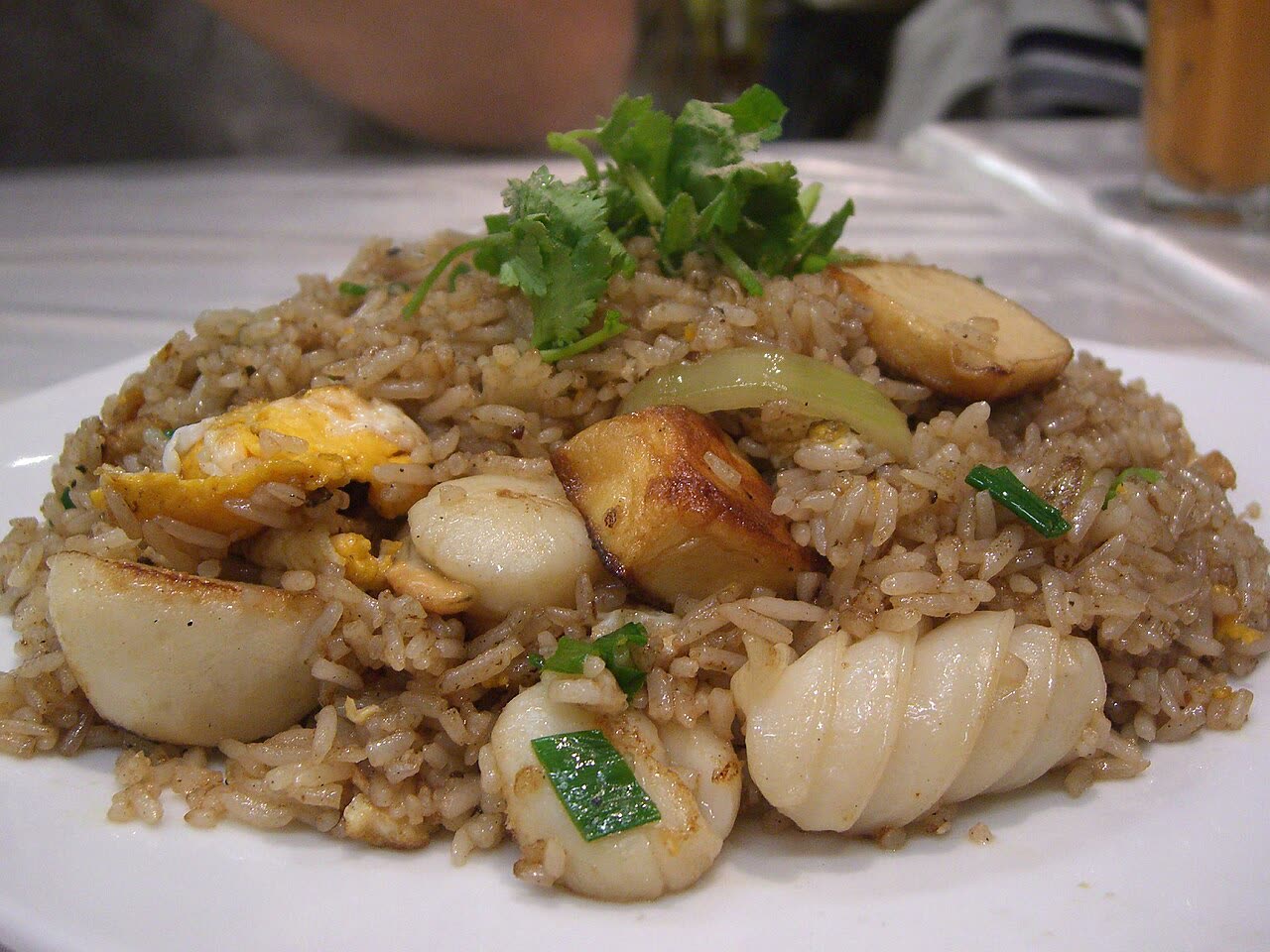
Why Restaurant Fried Rice Uses Day-Old Rice: A Cost Comparison
Day-old rice costs less and fries better. We compare prices at a Chinese grocer vs a US supermarket and explain the technique.
Jack Chen · Nov 21, 2026 · 6 min read
Food Culture
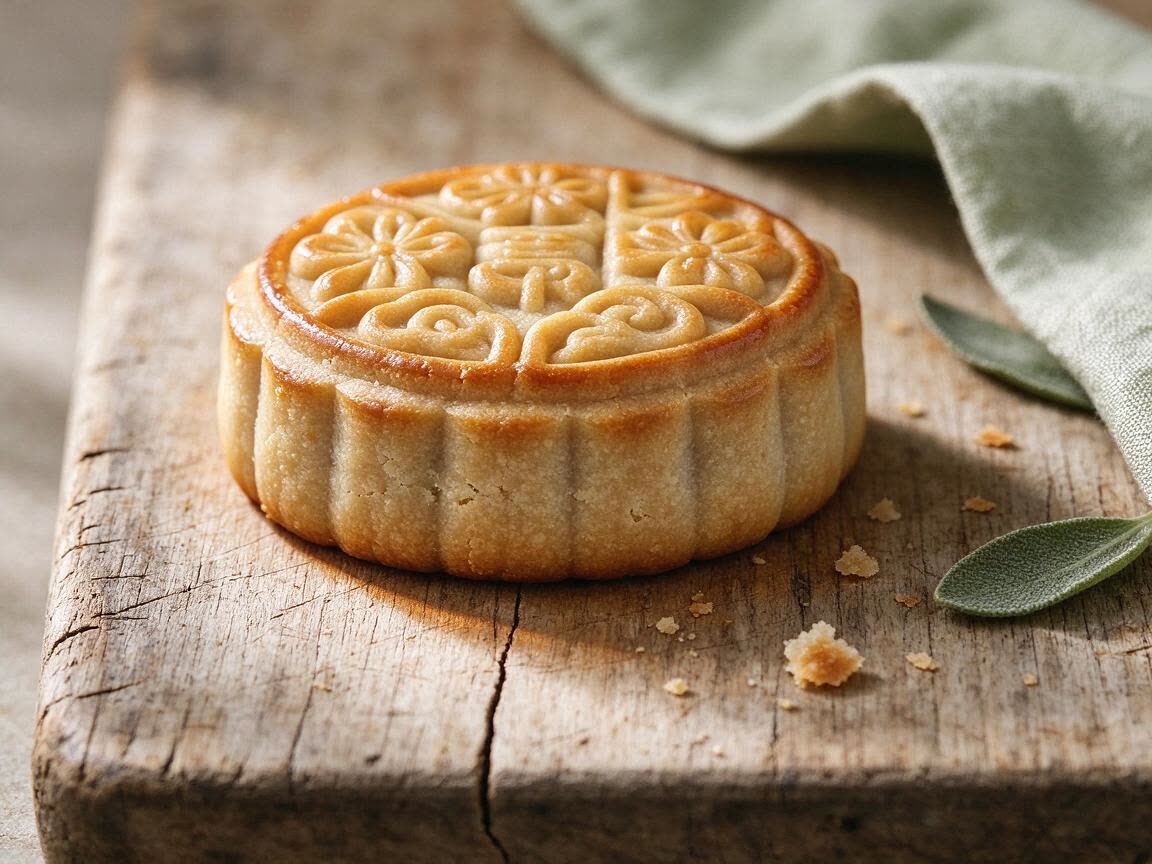
Mooncake for Beginners: What They Cost and What You Actually Get
Mooncakes cost $8 to $12 at a Chinese grocer and $18 to $25 boxed at a US supermarket. A beginner's guide to what's inside and how to eat them.
Jack Chen · Nov 9, 2026 · 6 min read
Food Culture
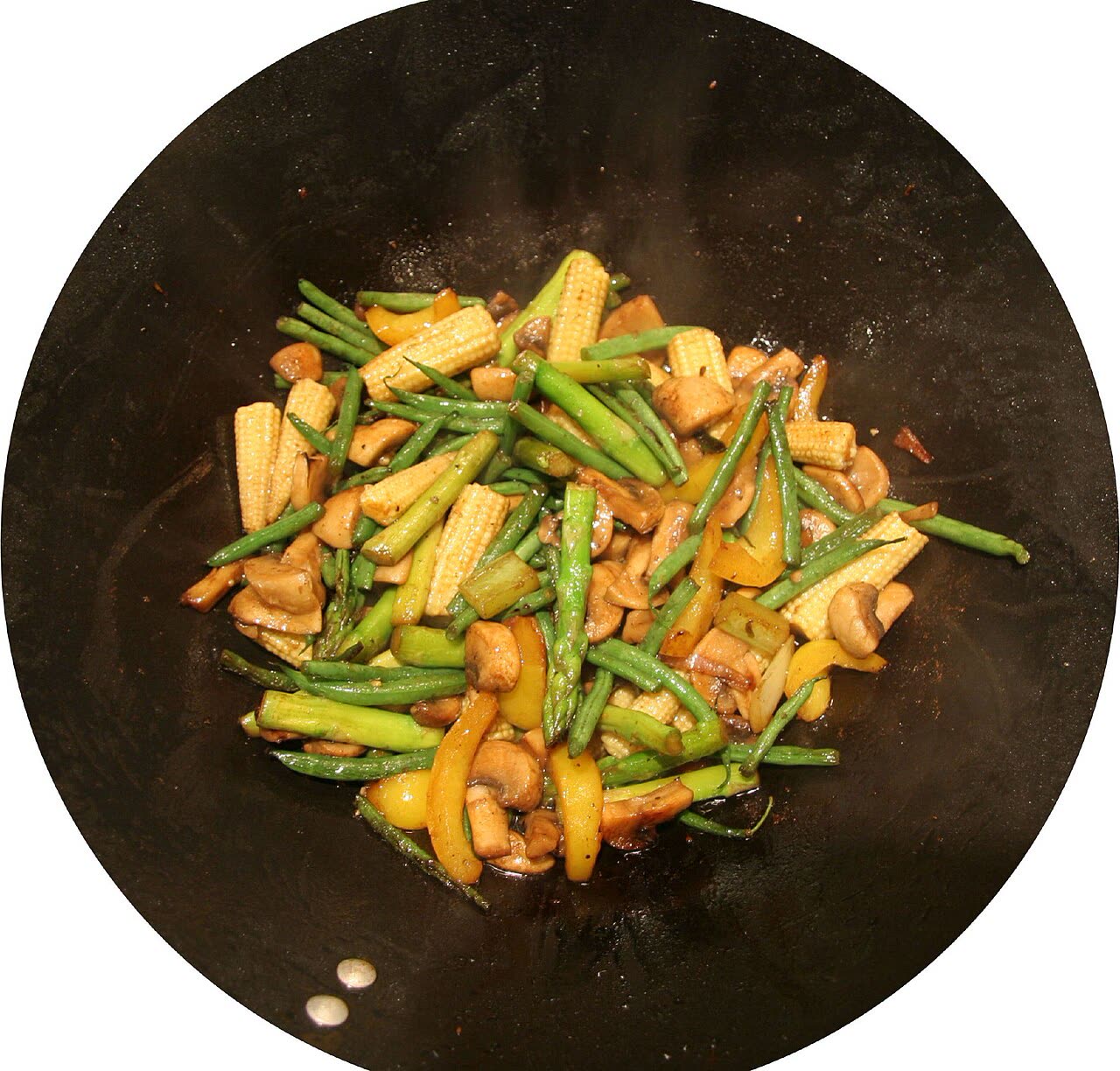
What MSG Does in Chinese Cooking (and What It Doesn't)
MSG is a seasoning, not a secret. A $6 bag seasons about 150 dinners. Here is what a quarter teaspoon does in the wok, and where home cooks go wrong.
Jack Chen · Nov 8, 2026 · 6 min read
This article shares food culture and personal experience. It is not medical advice. See our medical disclaimer.
Leave a comment
ModeratedNo comments yet. Questions about the method, your family's version, or something I got wrong — write it here and I will read it.