Mooncake for Beginners: What They Cost and What You Actually Get
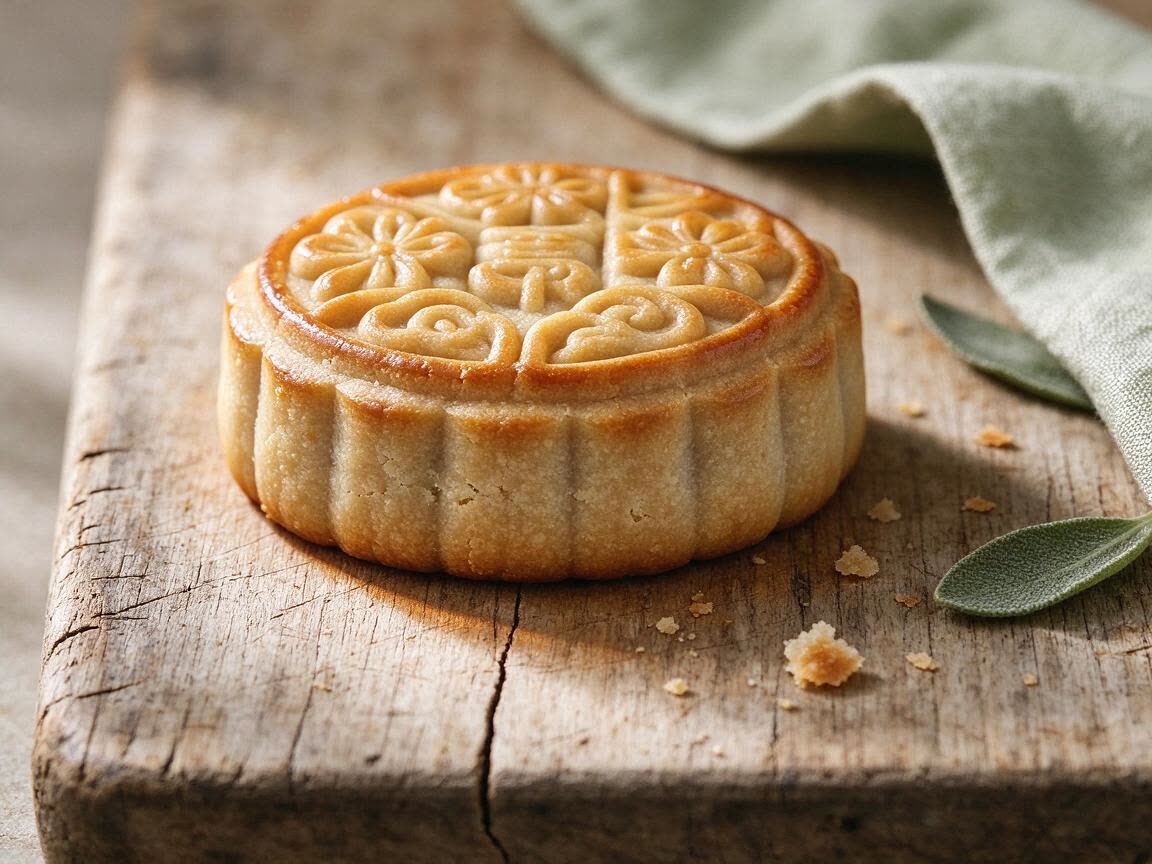
Mooncakes cost $8 to $12 at a Chinese grocer and $18 to $25 boxed at a US supermarket. A beginner's guide to what's inside and how to eat them.
A single lotus paste mooncake with a salted egg yolk runs about $8 to $12 at a Chinese grocery in the US. The same size cake, boxed for gifting, can hit $18 to $25 at a mainstream supermarket or an online gift retailer. That gap is the first thing a beginner needs to understand: mooncakes are sold two ways, as food and as a gift, and the price difference is mostly packaging.
This is a plain guide to buying, tasting and sharing them, with real numbers.
What is a mooncake, exactly?
A mooncake is a dense round or square pastry eaten around the Mid-Autumn Festival, which falls on the fifteenth day of the eighth lunar month (usually September or early October). The classic Cantonese version has a thin, soft, golden-brown wrapper around a thick filling of lotus seed paste, often with a salted duck egg yolk in the centre. The yolk stands in for the full moon.
The pastry is baked, heavy for its size, and usually shared. A standard cake is 150 to 185 grams and is cut into quarters or eighths with a sharp knife. Nobody eats a whole one alone except by accident.
The other major family is the snow skin mooncake, which is not baked. It has a chewy, pale, mochi-like wrapper and is served chilled. There are also Suzhou-style flaky lard pastries and Cantonese five-kernel versions packed with nuts and candied peel. For a first purchase, buy one lotus paste cake with yolk and one snow skin cake, and decide from there.
What does a mooncake actually cost?
Prices vary by city and season, but the pattern is consistent. Chinese groceries sell tins of four cakes at a fair price, and they sell single cakes too. Mainstream supermarkets stock a small gifting selection at a markup, and online gift boxes cost the most.
| Where you buy | Format | Typical price | Per cake |
|---|---|---|---|
| Chinese grocer, house brand | Tin of 4, lotus paste, no yolk | $22 to $30 | $5.50 to $7.50 |
| Chinese grocer, house brand | Tin of 4, lotus paste with yolk | $28 to $38 | $7 to $9.50 |
| Chinese grocer, premium brand (e.g. Wing Wah, Maxim's) | Tin of 4, lotus paste with yolk | $38 to $55 | $9.50 to $14 |
| Chinese grocer, snow skin | Box of 4 to 6, chilled | $25 to $40 | $6 to $10 |
| US supermarket, gift box | Box of 2 to 4 | $25 to $45 | $12 to $22 |
| Online gift retailer | Boxed set with tin and bag | $45 to $80 | $15 to $25 |
Two practical notes. First, prices drop sharply in the week after the festival, sometimes by half, and the cakes are still good for weeks if unopened. Second, the tin matters. A reusable tin is part of what you pay for, and a house-brand tin at $25 is the cheapest way to try four different fillings.
If you want to bake instead, a 50-gram mooncake mould is about $6 to $10 online, and a 500-gram bag of lotus paste runs $8 to $12 at a Chinese grocer. Golden syrup and lye water (alkaline water) are the two ingredients a US supermarket will not have; both are $4 to $7 a bottle at a Chinese grocer and last for years.
Which fillings should a beginner try first?
Start with lotus seed paste. It is the reference point, mildly sweet, smooth and slightly nutty. White lotus paste is paler and more delicate than the common brown version, and it costs a few dollars more per tin.
Red bean paste is the other easy entry: darker, earthier, less sweet in the good versions. Five-kernel is a texture test, full of walnuts, pumpkin seeds, sesame and candied winter melon; people either love it or leave it. Snow skin fillings tend toward mung bean paste, taro and fruit, and they are served cold.
A salted egg yolk is worth the extra $1 to $2 per cake at least once. It is salty and slightly grainy against the sweet paste, and it is the reason many people bother with mooncakes at all. If you buy a tin without yolk, you have not really tried the standard version.
How do you eat and store one?
Cut a chilled or room-temperature cake with a sharp, thin knife, wiping between cuts. Serve quarters with plain tea, ideally oolong or pu-erh, because the pastry is rich and sweet. One quarter per person is a normal serving alongside fruit.
Baked mooncakes keep for three to six weeks in the tin at cool room temperature. Once cut, wrap the remainder tightly and eat within two or three days. Snow skin cakes must stay refrigerated and are best within a week of purchase. Do not freeze baked mooncakes; the paste goes grainy.
If you are buying for a household of two, a tin of four is already a lot of cake. Buy a mixed tin, cut everything into quarters, and taste side by side. That is the cheapest way to learn what you like before committing to a gift box.
Why do they cost so much in some shops?
Because a mooncake is a social object before it is a snack. Tins are given to family, colleagues and clients, and the box is part of the message. Brands spend on tins, sleeves and gift bags, and shops price accordingly. The cake inside a $60 gift set is not four times better than the cake in a $28 tin, though it is often a little better.
For a beginner, that means the honest move is to buy from a Chinese grocer, skip the gift packaging, and spend the difference on a second tin of a different style. If you need a gift, buy the tin you would want to receive and keep the bag.
I keep a house-brand tin in the cupboard through October and cut one cake at a time. The premium tins are for giving away.
FAQ
Do I have to wait for the Mid-Autumn Festival to buy mooncakes? Chinese groceries stock them from roughly August through October, with the widest selection in the month before the festival. Outside that window, some shops carry frozen or year-round stock, and online sellers ship them, but prices and freshness are worse.
Are mooncakes served warm or cold? Baked mooncakes are eaten at room temperature. Snow skin mooncakes are served chilled. Do not microwave either one; the paste becomes molten and the wrapper collapses.
What is the cheapest way to try a mooncake for the first time? Buy a single cake at a Chinese grocer, usually $6 to $10, or a house-brand tin of four for $22 to $30 in the week after the festival. Split it with someone and taste it against a plain lotus paste cake so you can tell what the yolk is doing.

Keep reading
- What MSG Does in Chinese Cooking (and What It Doesn't)
- Tea Through the Seasons: How Chinese Households Actually Drink It
- A Chinese New Year Table for a Mixed Family: Three Ways It Goes Wrong
- Why Chinese Soups Simmer for Hours (and What That Actually Costs)
Sources
Photo: Jason M. C., Han / CC BY-SA 4.0 via Wikimedia Commons · Photo: Florstein ( Telegram: WikiPhoto.Space ) / CC BY-SA 4.0 via Wikimedia Commons
Frequently asked questions
Do I have to wait for the Mid-Autumn Festival to buy mooncakes?
Chinese groceries stock them from roughly August through October, with the widest selection in the month before the festival. Outside that window, some shops carry frozen or year-round stock and online sellers ship them, but prices and freshness are worse.
Are mooncakes served warm or cold?
Baked mooncakes are eaten at room temperature. Snow skin mooncakes are served chilled. Do not microwave either one; the paste becomes molten and the wrapper collapses.
What is the cheapest way to try a mooncake for the first time?
Buy a single cake at a Chinese grocer, usually $6 to $10, or a house-brand tin of four for $22 to $30 in the week after the festival. Split it and taste it against a plain lotus paste cake so you can tell what the yolk is doing.
About the author
Writer & Home Cook
Chinese home cook writing about seasonal food traditions from an American kitchen. Grew up in Guangdong, now cooks for a mixed family in the US.
Keep simmering
Food Culture
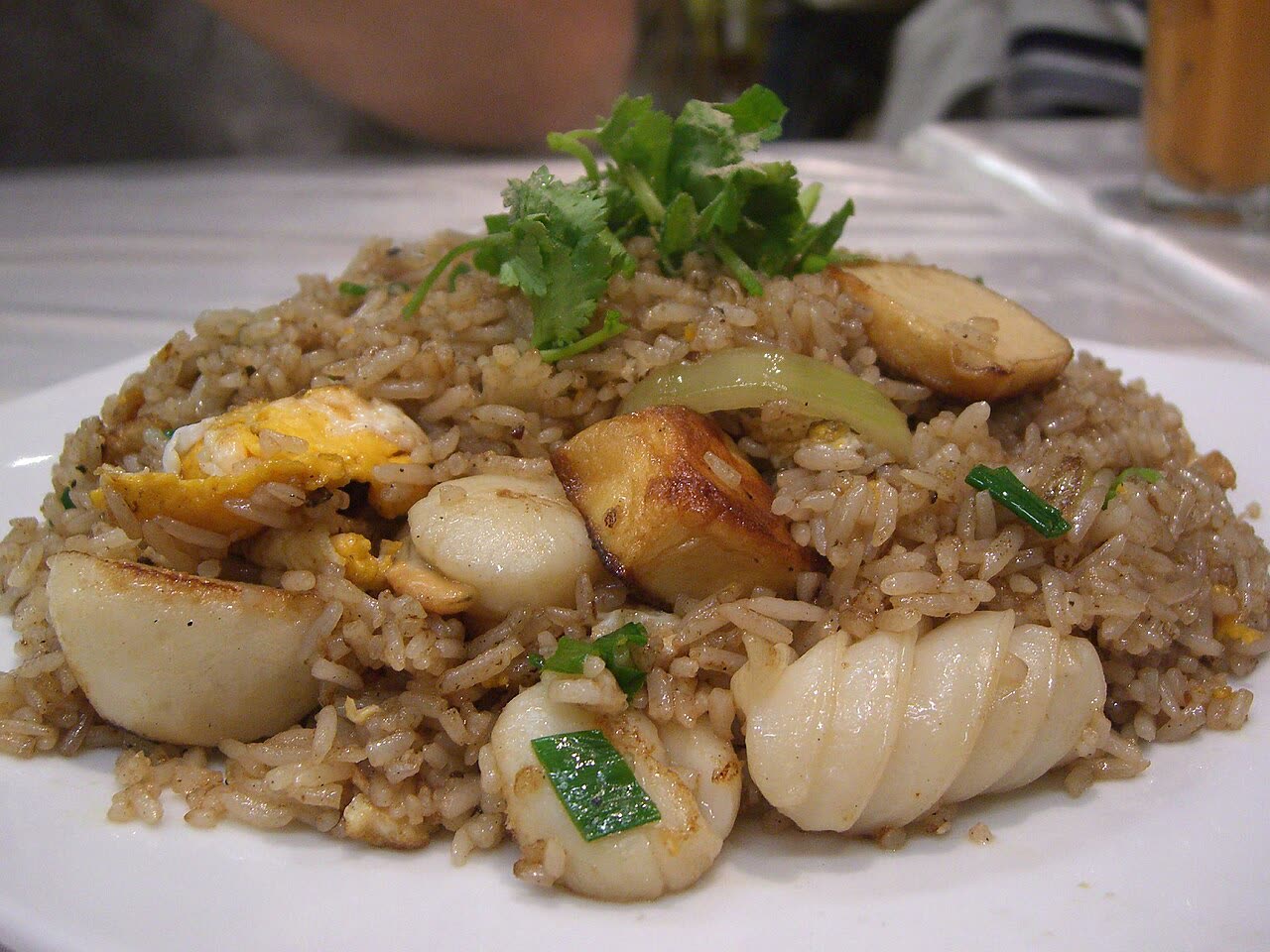
Why Restaurant Fried Rice Uses Day-Old Rice: A Cost Comparison
Day-old rice costs less and fries better. We compare prices at a Chinese grocer vs a US supermarket and explain the technique.
Jack Chen · Nov 21, 2026 · 6 min read
Food Culture
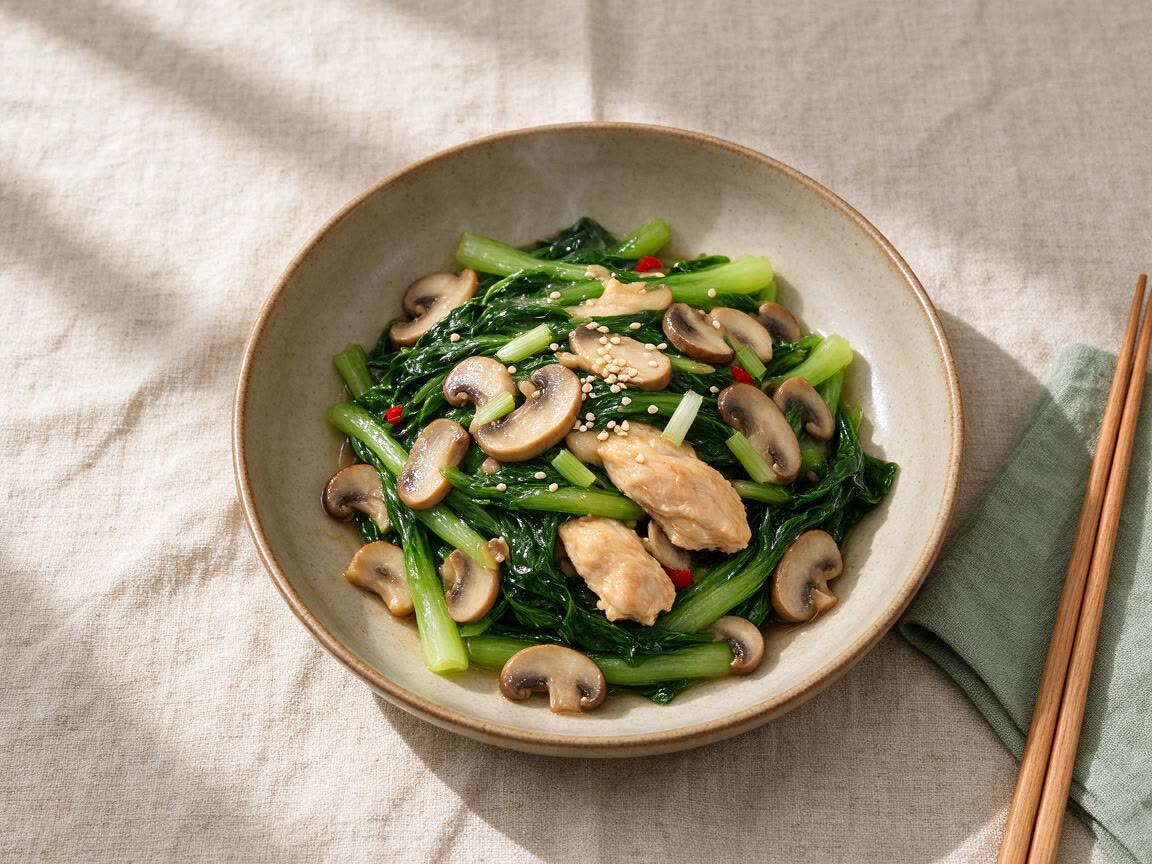
Why Chinese Dinners Are Shared From the Centre (And Why Yours Goes Wrong)
A shared Chinese table fails in 3 predictable ways: one dish per person, dishes sized like mains, no rice anchor. Here is the symptom of each, and the fix.
Jack Chen · Nov 10, 2026 · 7 min read
Food Culture
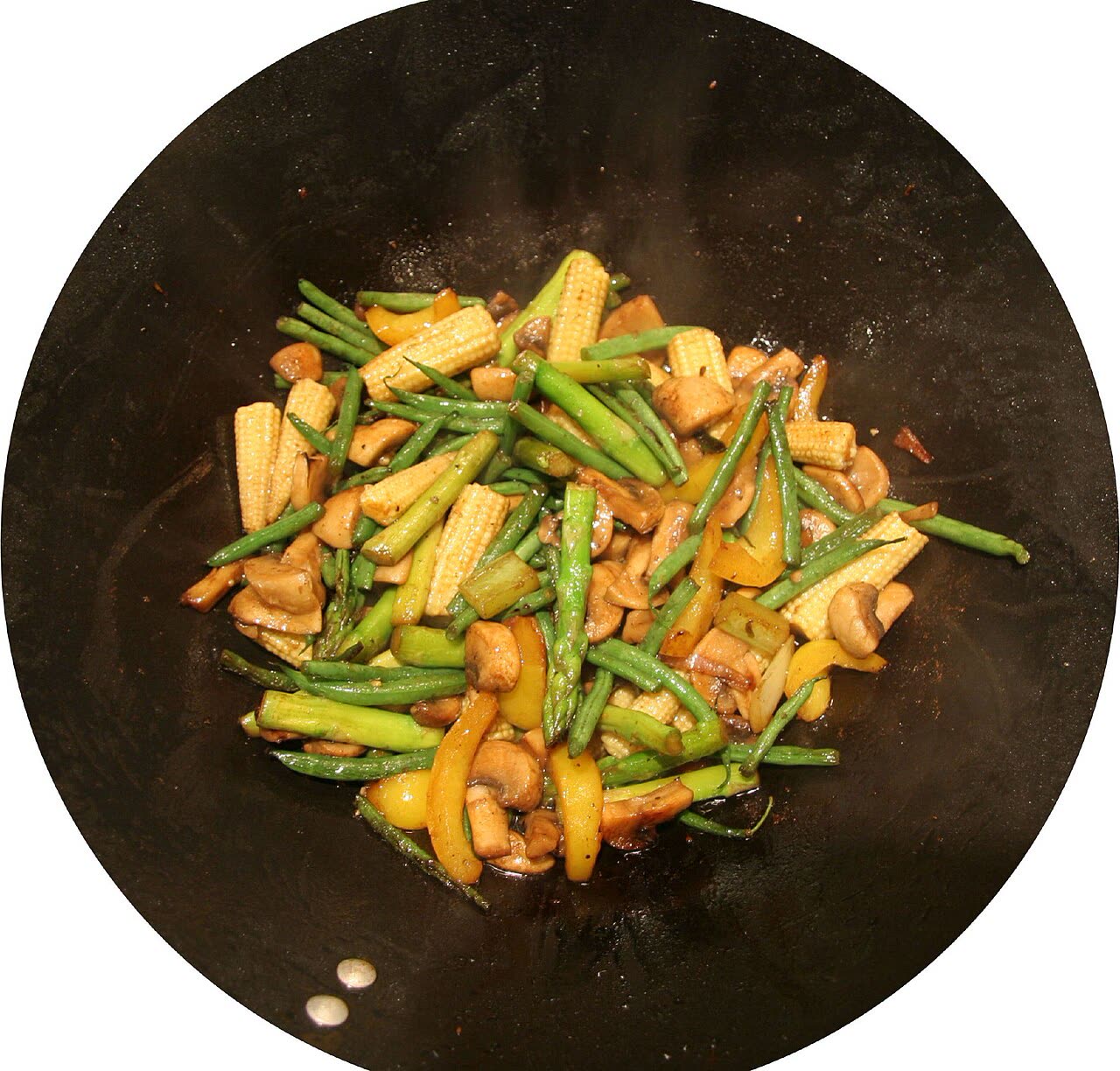
What MSG Does in Chinese Cooking (and What It Doesn't)
MSG is a seasoning, not a secret. A $6 bag seasons about 150 dinners. Here is what a quarter teaspoon does in the wok, and where home cooks go wrong.
Jack Chen · Nov 8, 2026 · 6 min read
This article shares food culture and personal experience. It is not medical advice. See our medical disclaimer.
Leave a comment
ModeratedNo comments yet. Questions about the method, your family's version, or something I got wrong — write it here and I will read it.