Rice Cooker vs Clay Pot: Which One for Chinese Rice?
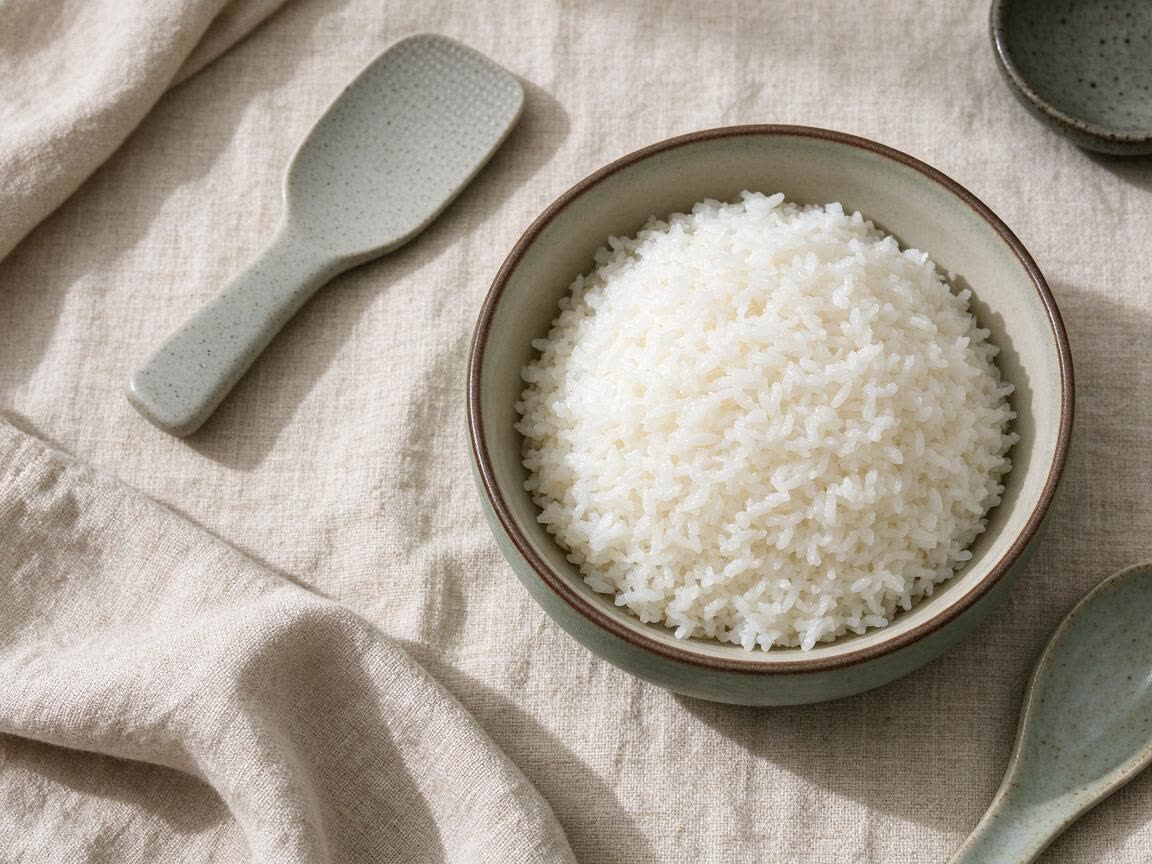
A rice cooker gives even, repeatable grains with a switch you can forget. A clay pot gives a toasted bottom and a steam plume. When each earns its space.
A $30 rice cooker and a $60 clay pot will both cook jasmine rice to a decent bowl. The difference shows up at the edges: the cooker gives you even, repeatable grains with a switch you can forget about, and the clay pot gives you a toasted bottom layer and a steam plume that smells like a restaurant. Pick based on what you actually want on the plate, not on which one sounds more authentic.
What is the real difference between a rice cooker and a clay pot?
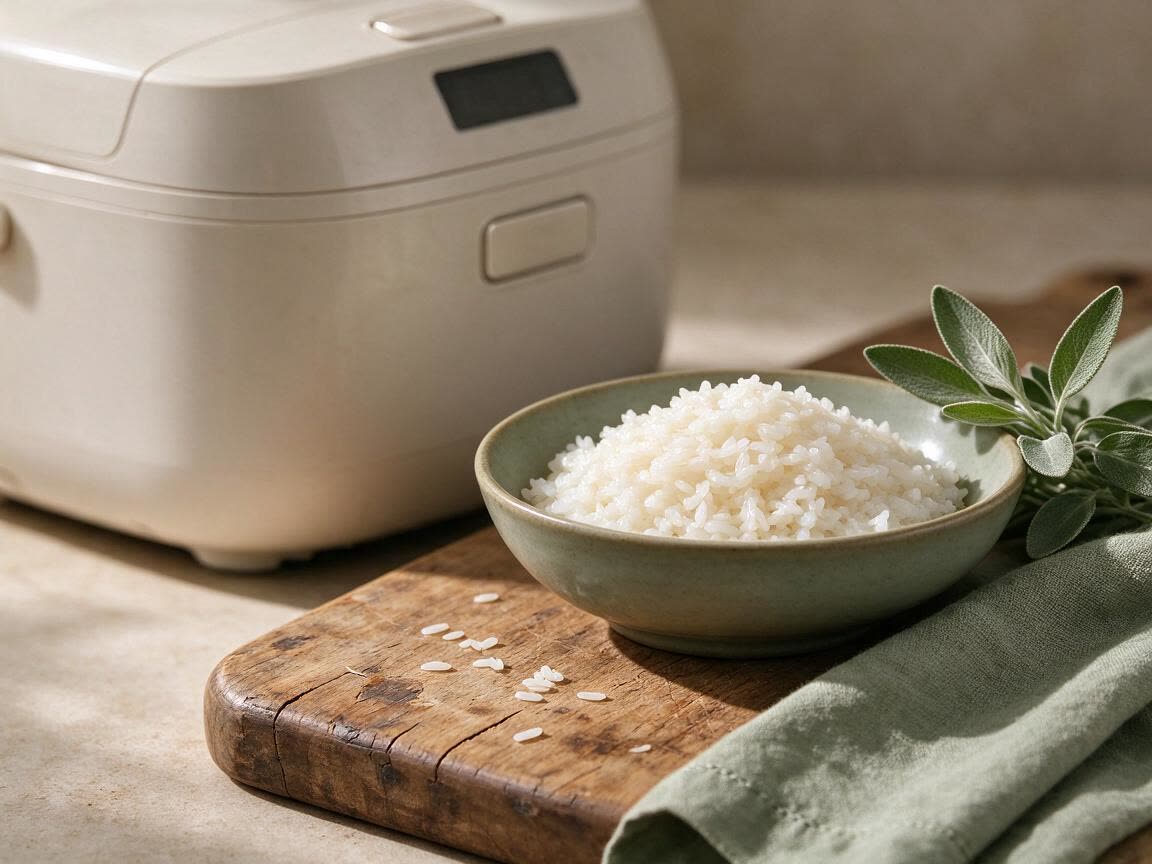
A rice cooker is a sealed electric appliance with a thermostat. It brings water to a boil, holds it there, then drops to a warm setting when the sensor reads that the water is gone. The result is predictable: separate grains, a clean surface, no scorching unless you get the ratio wrong. Most models sold in the US run 300 to 700 watts and cost $25 to $120; a basic 3-cup model from a brand like Aroma or Zojirushi is enough for two people. The inner pot is usually nonstick aluminum, so you need to use the plastic paddle that comes with it, not a metal spoon, or you will scratch the coating and the rice will start sticking in patches.
A clay pot is unglazed or glazed earthenware, usually with a lid, heated on a burner. It holds heat in the walls, so the rice cooks from the bottom up and the base gets hotter than the rest. That is where the crisp layer called guoba (or fan jiu in Cantonese) comes from. The pot also releases steam slowly, which keeps the grains a little stickier and more perfumed. The trade-off is attention: you bring it to a boil, turn it down, and listen for the crackle. A 1.5-quart pot weighs about 2 pounds empty and takes longer to heat than a thin metal saucepan, so the first boil can take 4 to 5 minutes on a 9-inch gas burner.
Neither is more Chinese than the other. In city kitchens the electric cooker is the default because it is fast and forgiving. The clay pot comes out for company, for clay-pot chicken rice, and for anyone who wants the crust.
How do I buy a clay pot that will not crack?
Look for stoneware or flameware rated for direct stovetop heat, not a decorative casserole. A 1.5- to 2-quart pot with a tight lid is the right size for two to three cups of raw rice. Expect $25 to $60 at Asian groceries and $40 to $90 online. Check three things before you pay:
- The base. It should sit flat with no wobble. A warped base heats unevenly and cracks.
- The lid. It should seat without rocking. A loose lid lets steam escape and dries the top layer.
- The label. It should say stovetop-safe or flameware. Terracotta plant pots and oven-only casseroles are not the same thing.
If the pot is unglazed, soak it in water for 30 minutes before the first use and never put a cold pot on a hot burner. Thermal shock is the main killer. Let it come to temperature gradually. A common mistake is rinsing a hot pot under the tap right after cooking; the sudden cold can hairline-crack the base, and you will not notice until the next time it leaks onto the burner.
How do I cook rice in each one?
The ratio is the same: one part rice to 1.1 to 1.3 parts water for jasmine, closer to 1.5 for short-grain. Rinse the rice until the water runs mostly clear, which removes surface starch and keeps the grains from clumping. For two cups of jasmine rice, that is about 2 1/4 cups water; for two cups of short-grain, use 2 3/4 to 3 cups.
Rice cooker. Add rinsed rice and water, close the lid, press cook. Do not lift the lid while it works. When the switch flips, let it sit on warm for 10 minutes, then fluff with a paddle. That rest is what evens out the moisture. If your cooker has a porridge setting, ignore it for plain rice; the regular cycle is what you want.
Clay pot. Soak the pot if it is unglazed. Add rice and water, cover, and bring to a boil over medium-high heat. Once it boils, turn the heat to low and cook 12 to 15 minutes, until the surface water is gone and you hear a faint crackle. Turn off the heat and let it stand, covered, for 10 minutes. For guoba, raise the heat for the last 60 to 90 seconds and listen for a light toasting sound, then pull it off before it smells acrid. A 9-inch burner set to medium-low is usually enough; high heat is what turns the bottom black instead of golden.
I keep a cheap rice cooker on the counter for weeknights and pull out the clay pot when there is chicken to go on top. That is the whole decision for most households I know.
What goes wrong, and how do I fix it?
Rice cooker rice comes out mushy. Too much water, or you lifted the lid. Use the line in the pot, not a measuring cup guess, and leave the lid alone. If it is already mushy, spread it on a sheet pan for five minutes to steam off. One cup of raw rice absorbs about 1 cup of water; if you added 1.5 cups, you will get porridge, not rice.
Rice cooker rice scorches on the bottom. The heating element is dirty or the pot is warped. Clean the element with a dry cloth and check that the inner pot sits flush. A scorched patch about the size of a quarter means the element has a hot spot; if it is larger, replace the cooker.
Clay pot rice sticks and burns. The heat was too high for too long. Start on medium, drop to low once it boils, and do not walk away during the crust stage. A burned base usually means the pot was thin or the burner was on high. If the crust is black rather than amber, soak the pot in warm water for 20 minutes and the rice will lift off in a sheet.
The clay pot cracks. Usually thermal shock: cold water in a hot pot, or a hot pot on a cold counter. Set it on a towel or a wooden board. A hairline crack along the base is not always fatal, but once it leaks, retire the pot.
The rice tastes flat. Rinse less aggressively, or use a little more water. Old rice needs more water than new rice; a bag that has sat open for months will drink differently. A $12 5-pound bag of jasmine from an Asian grocery is usually fresher than a supermarket bag that has been on the shelf since spring.
Which one should I buy first?
Buy the rice cooker first. It costs less, needs no technique, and covers most meals. A basic 3-cup model runs $25 to $40 at Target or Amazon; a 5.5-cup Zojirushi with a fuzzy-logic chip is $150 to $200 and makes better rice, but the cheap one is fine for weeknights. Add a clay pot when you want the crust or when you are cooking clay-pot chicken rice for people. A $35 1.5-quart stoneware pot from a Chinese grocery is enough to start. If you only have room for one, the cooker is the practical answer; if you want the texture that makes the dish feel like a restaurant plate, the clay pot is the one that delivers it.
For anything involving a crust, the clay pot is not a gimmick. It is the point.

Keep reading
- Using a Wok on an Electric Stove: What Actually Works
- Chinese Cleaver vs Chef Knife: Which Do You Actually Need?
- Dried Shrimp: The Pantry Seasoning That Does the Work of Anchovies
- Pickled Mustard Greens: A Practical Guide
Sources
Photo: Jason M. C., Han / CC BY-SA 4.0 via Wikimedia Commons · Photo: Florstein ( Telegram: WikiPhoto.Space ) / CC BY-SA 4.0 via Wikimedia Commons
Frequently asked questions
Can I cook rice in a regular pot instead of a rice cooker or clay pot?
Yes. Use a heavy-bottomed pot with a tight lid, bring rice and water to a boil, turn to low, and cook covered for about 15 minutes, then rest 10 minutes off the heat. You will not get the clay pot crust, and the heat is less even than a rice cooker.
Is a clay pot safe on an electric coil or induction stove?
Only if the pot is labeled for that surface. Traditional unglazed clay pots are usually for gas or open flame. Induction needs a magnetic base, which most clay pots do not have. Check the manufacturer's label before you buy.
How much water do I use for clay pot rice?
Start with 1 part rinsed rice to 1.1 parts water for jasmine and 1.3 to 1.5 for short-grain. The pot loses more steam than a sealed cooker, so if the top layer comes out dry, add two tablespoons of water next time.
About the author
Writer & Home Cook
Chinese home cook writing about seasonal food traditions from an American kitchen. Grew up in Guangdong, now cooks for a mixed family in the US.
Keep simmering
Equipment & Techniques
Seasoning a Carbon Steel Wok: The Method, and How to Fix It
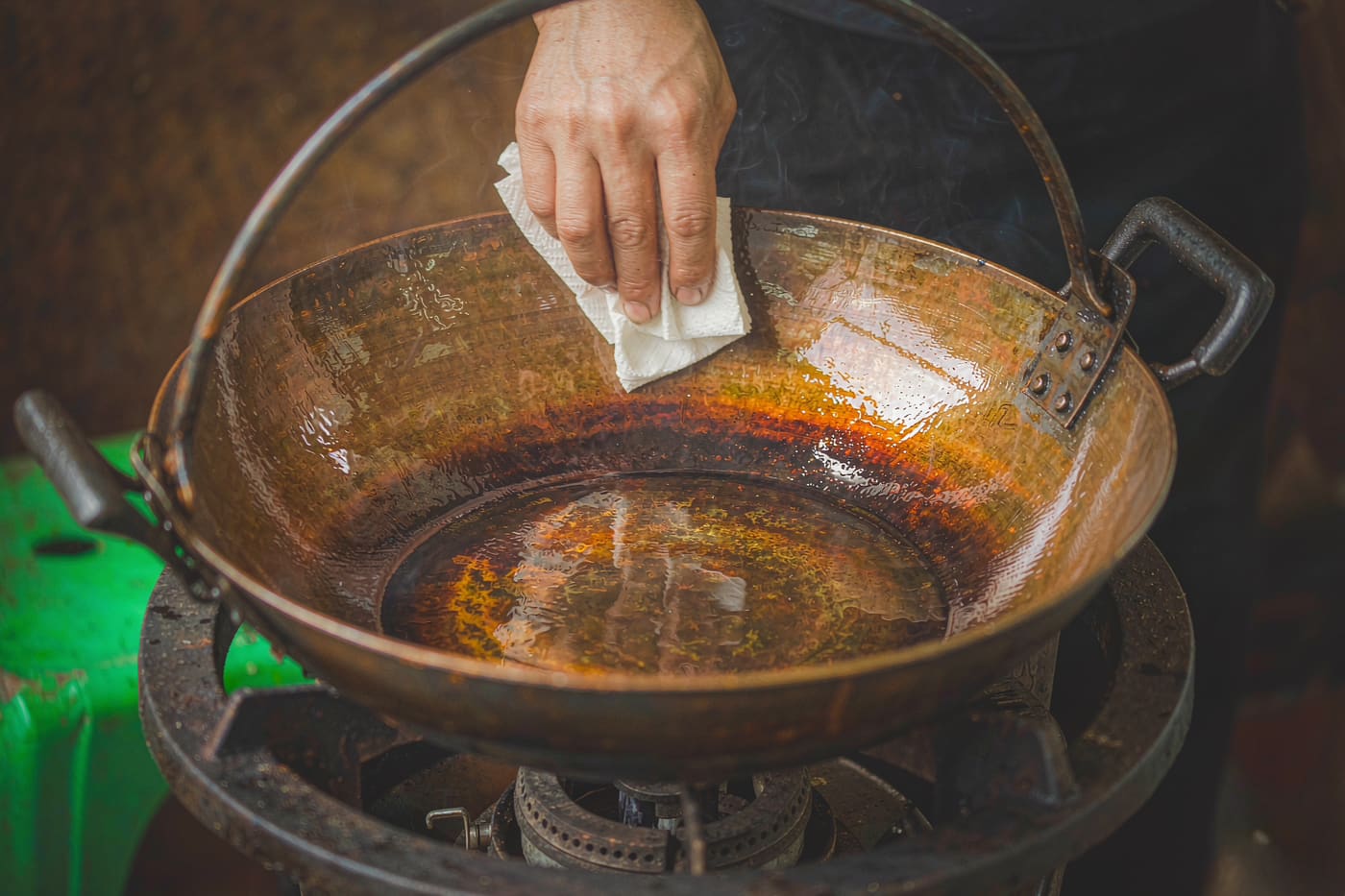
Twenty minutes, four paper-thin coats of oil, one rule: use less than you think. The full method, plus fixes for sticky, flaking and rusty woks.
Jack Chen · Nov 10, 2026 · 6 min read
Equipment & Techniques
Gas vs Electric vs Induction for Stir-Frying
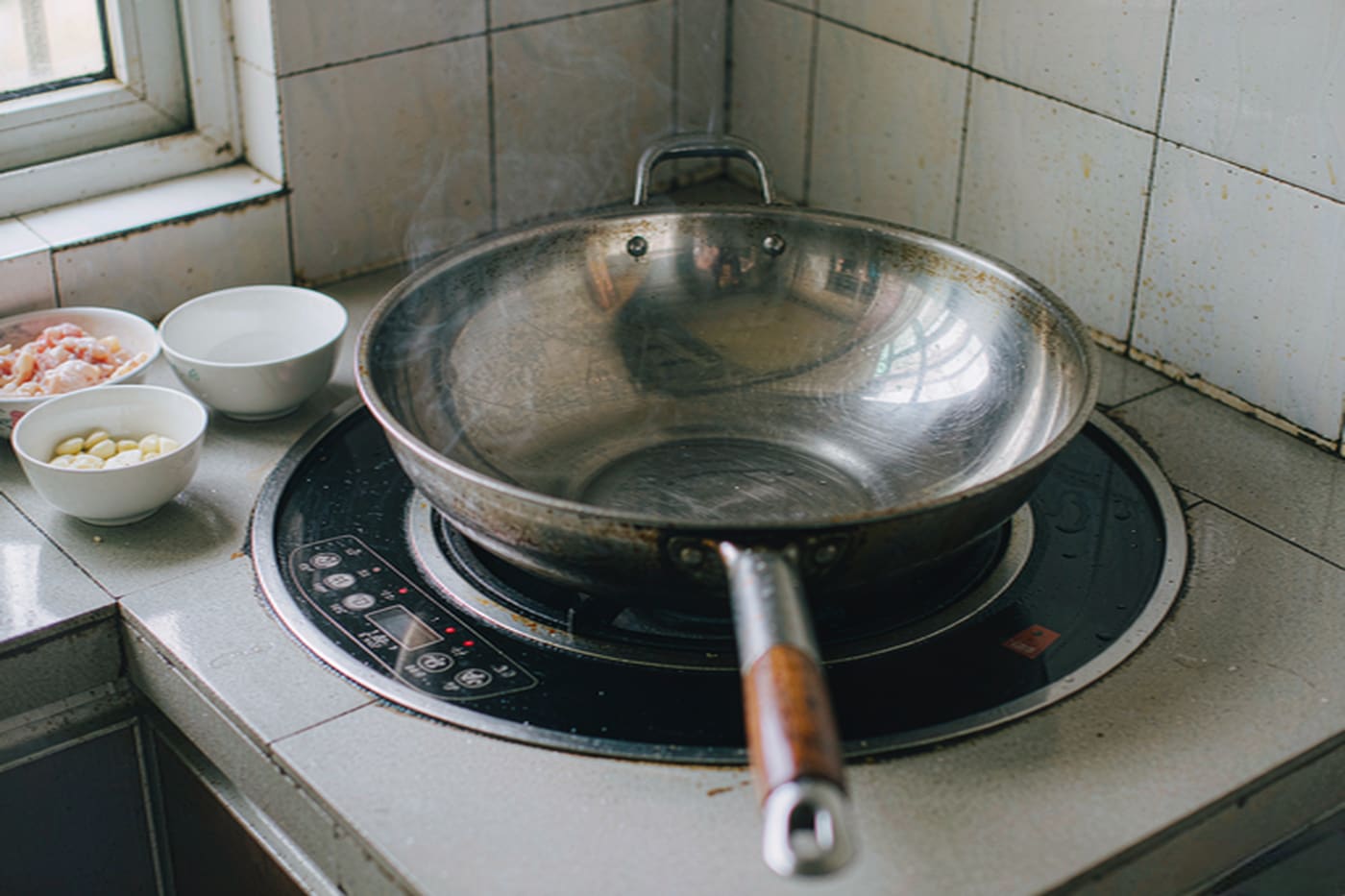
Gas still wins for wok cooking, induction is the best compromise with a flat-bottom wok, and a coil element is workable with the right adjustments.
Jack Chen · Nov 10, 2026 · 6 min read
Equipment & Techniques
What Is Wok Hei, and Can You Get It on a Home Stove?
Wok hei is the seared aroma of fat hitting metal hotter than most home stoves allow: what it is, why restaurants get more, and four ways to close the gap.
Jack Chen · Nov 10, 2026 · 6 min read
This article shares food culture and personal experience. It is not medical advice. See our medical disclaimer.
Leave a comment
ModeratedNo comments yet. Questions about the method, your family's version, or something I got wrong — write it here and I will read it.