What MSG Does in Chinese Cooking (and What It Doesn't)
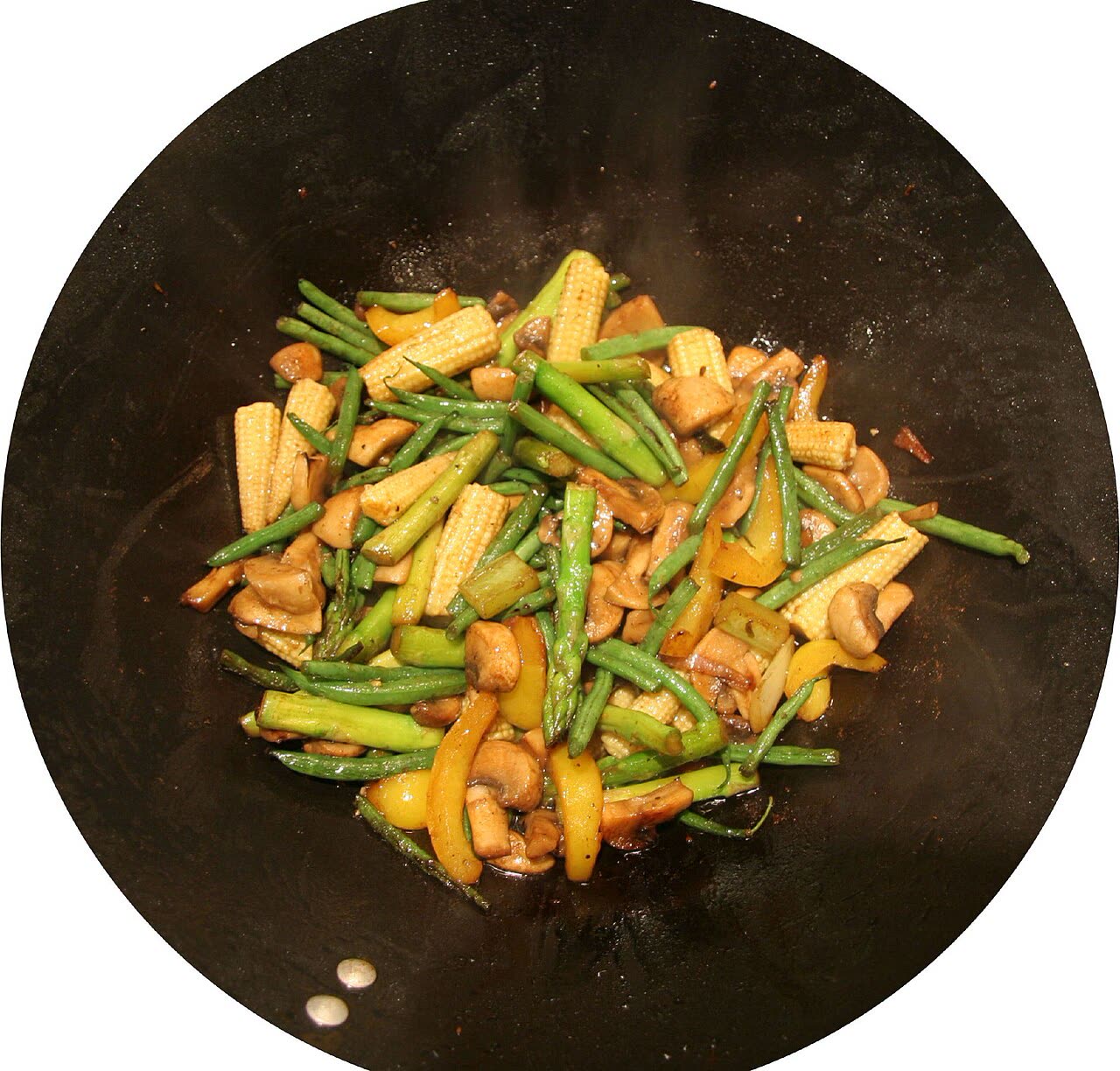
MSG is a seasoning, not a secret. A $6 bag seasons about 150 dinners. Here is what a quarter teaspoon does in the wok, and where home cooks go wrong.
A 1-pound bag of Ajinomoto MSG costs about $6 at an Asian grocery and roughly $9 on Amazon. That bag will season something like 150 family dinners. Per dish, you are spending pennies. So the question is not whether MSG is affordable. It is whether you know what it is doing in the pan, because most people who dislike it have either never cooked with it or have used ten times too much.
MSG is monosodium glutamate, the sodium salt of an amino acid that occurs naturally in tomatoes, Parmesan, dried shiitake, and kombu. In Chinese home cooking it is a pantry item, sold as weijing (味精) or under the brand name Ajinomoto, and it sits next to the salt and the light soy sauce. It is not a flavor. It is an amplifier.
What does MSG actually do to a dish?
Glutamate is one of the basic tastes, umami, and MSG delivers it in a pure, fast, salt-adjacent form. Put a quarter teaspoon into a bowl of plain broth and the broth suddenly tastes like it has been simmering longer than it has. Put it into a stir-fry and the soy sauce, the pork, and the scallion read as more themselves.
The practical effect in a Chinese kitchen is rounding. Light soy sauce gives salt and a beany edge. Oyster sauce gives sweetness and body. Shaoxing wine gives aroma. None of them give the clean, savory depth that makes a plate of stir-fried greens taste finished. A pinch of MSG does that. It also lets you pull back on salt, because MSG carries sodium but less per unit of seasoning power than straight salt. That is the whole trick, and it is why the ingredient survived in Chinese home kitchens long after it became controversial in the United States.
What it does not do is add aroma, color, or texture. It cannot rescue a dish that was overcrowded in the wok or cooked on too low a flame. It is a finisher, not a fixer.
How do Chinese households actually use it?
Sparingly, and usually late. The common pattern in Cantonese and Jiangnan home kitchens is a small pinch stirred in during the last thirty seconds of cooking, or sprinkled into a soup pot just before it comes off the heat. Some cooks add it to marinades for pork and fish. Some skip it entirely when the dish already has dried shrimp, shiitake soaking liquid, or a good stock, because those ingredients bring their own glutamate.
The dose matters more than anything else. For a home stir-fry serving two to three people, a quarter teaspoon is plenty. For a pot of soup serving four, a half teaspoon. Restaurants use more, which is part of why restaurant food tastes the way it does, and part of why people who try to replicate that at home sometimes tip into a metallic, flat taste.
I keep a small jar of it next to the salt and treat it the way I treat fish sauce: a background note, not a headline.
How do I buy it, and what are the supermarket options?
Look for pure MSG, sold as a white crystalline powder, in the international aisle or online. Ajinomoto is the most common brand. A 1-pound bag is roughly $6 to $9 depending on where you shop. Accent is the mainstream American brand, usually around $4 for a 4.5-ounce shaker in the spice aisle at Walmart or Kroger.
If you would rather not buy a dedicated bag, there are pantry substitutes that carry glutamate. None of them are drop-in equivalents, but they work in the same direction:
- Fish sauce: 1 teaspoon replaces about 1/4 teaspoon MSG in a stir-fry, but it also adds salt and funk. Use it in dishes where those are welcome.
- Oyster sauce: 1 tablespoon adds body and sweetness alongside glutamate. Good for greens and noodle dishes.
- Dried shiitake soaking liquid: 2 tablespoons of the strained liquid per dish. Free, and excellent in braises.
- Chicken bouillon powder: 1/2 teaspoon, but check the label, because most brands already contain MSG and a lot of salt.
Store MSG in a sealed jar away from moisture. It clumps if it sits open in a humid kitchen, which is annoying but not damaging.
How much should I use, and when should it go in?
Start with a quarter teaspoon per dish for two to three servings and adjust from there. Add it near the end of cooking, after the salt and soy sauce are in, so you can taste the whole thing and decide whether it needs more.
A simple sequence for a stir-fry: oil, aromatics, protein, vegetables, soy sauce and wine, then off the heat, a pinch of MSG and a stir. Taste. If the dish tastes flat rather than salty, you probably need more MSG or more acid, not more salt. If it tastes metallic or oddly sweet, you used too much and the only fix is to add more of the other ingredients.
In soups and braises, add it in the last five minutes. In cold dishes, such as smashed cucumber salad, dissolve it in the dressing first rather than sprinkling it over the top, where it will sit as grit.
What goes wrong?
Three things, mostly.
Overdosing. A teaspoon where a quarter teaspoon belonged gives a flat, slightly bitter, tinny taste. It is not dangerous, just unpleasant, and it is the most common reason people decide they do not like MSG.
Using it as a substitute for salt or stock. MSG is not salty enough to season a dish on its own, and it does not replace the body of a real stock. If a recipe calls for both salt and MSG, use both.
Believing the folklore. The idea that MSG causes headaches and flushing traces back to a 1968 letter to the New England Journal of Medicine, not to controlled research. Reviews of the evidence have not found a consistent reaction in the general population, though a small number of people report symptoms after large doses taken without food. The FDA classifies MSG as generally recognized as safe. If you feel bad after a specific meal, that is worth paying attention to, but the ingredient has been cooked with in Chinese households for a century and is not a hidden hazard in a jar.
The honest summary: MSG is a cheap, useful seasoning that does one job well. Use a little, add it late, and stop expecting it to be either a villain or a miracle.
Keep reading
- Tea Through the Seasons: How Chinese Households Actually Drink It
- A Chinese New Year Table for a Mixed Family: Three Ways It Goes Wrong
- Why Chinese Soups Simmer for Hours (and What That Actually Costs)
- Food as Seasoning, Not Medicine: What "Shiliao" Actually Means in a Chinese Home
Sources
Photo: Brian Snelson / CC BY 2.0 via Wikimedia Commons
Frequently asked questions
Is MSG the same as salt?
No. MSG contains sodium, about a third by weight, but it tastes savory rather than salty and is used in much smaller amounts. Most dishes need both.
How much MSG should I put in a stir-fry?
About a quarter teaspoon for a dish serving two to three people, added in the last thirty seconds of cooking. Start there and adjust.
Can I skip MSG and still get the same effect?
Often, yes. Dried shiitake soaking liquid, oyster sauce, fish sauce, and good stock all bring glutamate. They add their own flavors too, so they are not exact swaps.
About the author
Writer & Home Cook
Chinese home cook writing about seasonal food traditions from an American kitchen. Grew up in Guangdong, now cooks for a mixed family in the US.
Keep simmering
Food Culture
Why Restaurant Fried Rice Uses Day-Old Rice: A Cost Comparison
Day-old rice costs less and fries better. We compare prices at a Chinese grocer vs a US supermarket and explain the technique.
Jack Chen · Nov 21, 2026 · 6 min read
Food Culture
Why Chinese Dinners Are Shared From the Centre (And Why Yours Goes Wrong)
A shared Chinese table fails in 3 predictable ways: one dish per person, dishes sized like mains, no rice anchor. Here is the symptom of each, and the fix.
Jack Chen · Nov 10, 2026 · 7 min read
Food Culture
Mooncake for Beginners: What They Cost and What You Actually Get
Mooncakes cost $8 to $12 at a Chinese grocer and $18 to $25 boxed at a US supermarket. A beginner's guide to what's inside and how to eat them.
Jack Chen · Nov 9, 2026 · 6 min read
This article shares food culture and personal experience. It is not medical advice. See our medical disclaimer.
Leave a comment
ModeratedNo comments yet. Questions about the method, your family's version, or something I got wrong — write it here and I will read it.