A Chinese New Year Table for a Mixed Family: Three Ways It Goes Wrong
A whole bass runs $9.99 a pound, but the meal still fails on timing, translation and volume. The symptoms of each, and the fixes for 8 people.
A whole bass at the Chinese supermarket in January runs $9.99 a pound, and a two-pound fish is the cheapest centerpiece you will ever put on a table for eight. That is the good news. The bad news is that a mixed-family New Year dinner fails in predictable ways, and almost none of them are about the food being wrong.
Here is the short answer: the three failures are timing (everything lands at once or nothing does), translation (dishes arrive without a frame, so guests read them as a random buffet), and volume (cooking for a remembered table of twelve when eight are coming, four of whom are children who eat like birds). Fix those three and the meal holds. The recipes are the easy part.
Failure one: the whole meal wants the stove at 6pm
Symptom. You are standing at the wok at 6:40 with four dishes done and cooling, one fish unsteamed, dumplings still frozen, and a mother-in-law asking, kindly, whether the rice is on.
Why it happens. Chinese home cooking assumes a wok, a steamer and a rice cooker running in parallel, and it assumes a cook who has done it a hundred times. A Western kitchen has one oven and four burners, and every dish in the plan is a last-minute dish. The fish must be steamed to order. Greens must be stir-fried to order. Dumplings boil in batches. Nothing holds.
The fix. Split the menu by cooking method, not by prestige.
- Oven, done early: char siu from pork shoulder, or a tray of five-spice chicken wings. Both reheat fine and both read as festive.
- Cold or room temperature, made the day before: smashed cucumber with black vinegar and garlic, soy-marinated peanuts, a plate of sliced cured sausage (lap cheong) briefly steamed and cooled.
- Steamer, staggered: the fish goes in last, eight minutes for a two-pound bass, and comes out while people are already eating. Nobody minds.
- Boiled at the table: frozen dumplings, straight from the bag, in a pot set on the table or brought over in batches. This is the one job you can hand to a guest.
For the fish, use a supermarket substitution if the Asian market is far: a whole branzino from the fish counter, $11 to $14 for two pounds, or two whole trout. Score the skin, salt it, steam it, and finish with hot oil poured over scallion and ginger. The technique matters more than the species.
Failure two: nobody knows what they are eating
Symptom. A guest takes one dumpling, asks what is inside, gets the answer "pork and cabbage," and stops. Someone else has piled a whole fish cheek onto a plate of rice and is quietly not enjoying it. The kids have eaten bread.
Why it happens. New Year dishes carry meanings that are not on the plate. Fish for surplus. Dumplings shaped like ingots. A whole chicken for completeness. If the table has never been told, the food is just food, and some of it is strange food. This is not a guest problem. It is a hosting problem.
The fix. Say it out loud, once, briefly, before people sit down. Two sentences per dish is plenty and nobody wants a lecture. "The fish is whole because whole means complete. The dumplings are shaped like old silver ingots. The noodles are long, so don't cut them." That is the entire script. It takes ninety seconds and it converts a buffet into a meal.
Then build in a bridge dish. Something plain, starchy and familiar: plain rice, a plate of blanched greens with oyster sauce, or steamed buns. A mixed table needs one thing a picky eight-year-old will eat without negotiation. Do not treat that as a compromise; treat it as part of the menu.
One more practical note: label nothing, but serve family-style with the dishes passed rather than plated. People take what they recognize.
Failure three: you cooked for the family you remember
Symptom. Tuesday and you are still eating leftovers. Or the opposite: the table looks thin because you scaled a banquet down to a weeknight and lost the shape of it.
Why it happens. New Year menus in Chinese households are built around abundance, and abundance is the point. A surplus of fish is literally the pun. But a surplus designed for twelve adults does not translate to six adults and three children, and it definitely does not translate to a small apartment fridge.
The fix. Keep the number of dishes, cut the size of each. Eight dishes is the lucky number and eight small dishes reads more festive than four large ones. A pound of pork instead of three. Half a chicken, poached and chopped, instead of a whole one. The fish stays whole because the whole fish is the message, but it can be a small one.
For dumplings, buy frozen. A two-pound bag of pork-and-chive dumplings at an Asian grocer runs $8 to $12 and is better than what most home cooks produce on a weeknight. If you are wrapping your own, do it the day before with whoever wants to help, and accept that the folds will be uneven. Uneven folds are not a failure. Running out is.
What about the red envelopes and the rest of it?
Red envelopes are the part children remember and the part adults overthink. They need cash, a red envelope, and no ceremony. A supermarket packet of a hundred envelopes costs a few dollars. Give them at the end of the meal, not the start, or the kids will be gone.
If there are non-Chinese adults at the table, the thing they will actually remember is not the symbolism. It is being handed a job. Put someone on dumpling duty. Put someone on pouring tea. A guest with a task stops being an audience.
Does any of this need to be authentic?
No, and the question is a trap. There is no single New Year table. Cantonese households center a whole fish and a poached chicken. Northern households center dumplings, and plenty of them skip the fish entirely. In many homes the menu is whatever the cook is confident about, plus one aspirational dish. The tradition is the gathering and the surplus, not a fixed list.
What a mixed family actually needs is a table where the food arrives in a sensible order, someone explains it once, and there is enough of the plain things to go around. That is a lower bar than most hosts set for themselves, and it is the one that gets repeated next year.
Practical note on the fish: cook it to 145°F at the thickest point, per USDA guidance, and pull it from the steamer as soon as it hits that. The eight-minute rule is a starting point, not a law.
Keep reading
- Why Chinese Soups Simmer for Hours (and What That Actually Costs)
- Food as Seasoning, Not Medicine: What "Shiliao" Actually Means in a Chinese Home
- Why Chinese Breakfast Is Warm: Congee, Soy Milk and the Logic of Morning
- Rice Cooker vs Clay Pot: Which One for Chinese Rice?
Sources
Photo: Tim Sackton from Somerville, MA / CC BY-SA 2.0 via Wikimedia Commons
Frequently asked questions
Can I make the whole New Year dinner ahead of time?
Most of it, yes. Braised dishes, cold appetizers, cured sausage and poached chicken all improve overnight. Only the fish, the stir-fried greens and the dumplings need to be done at the last minute, and the dumplings can be handed to a guest.
What if there is no Asian supermarket nearby?
Use the mainstream substitutes: branzino or trout instead of whole bass, regular scallions, supermarket pork shoulder for char siu, and frozen gyoza from the freezer aisle in place of Chinese dumplings. The technique carries the dish more than the exact ingredient does.
How many dishes should I make for a mixed table?
Eight small dishes rather than four large ones. Keep one plain starch and one plain green that children will eat, and make sure the whole fish is the only dish that has to be whole.
About the author
Writer & Home Cook
Chinese home cook writing about seasonal food traditions from an American kitchen. Grew up in Guangdong, now cooks for a mixed family in the US.
Keep simmering
Food Culture
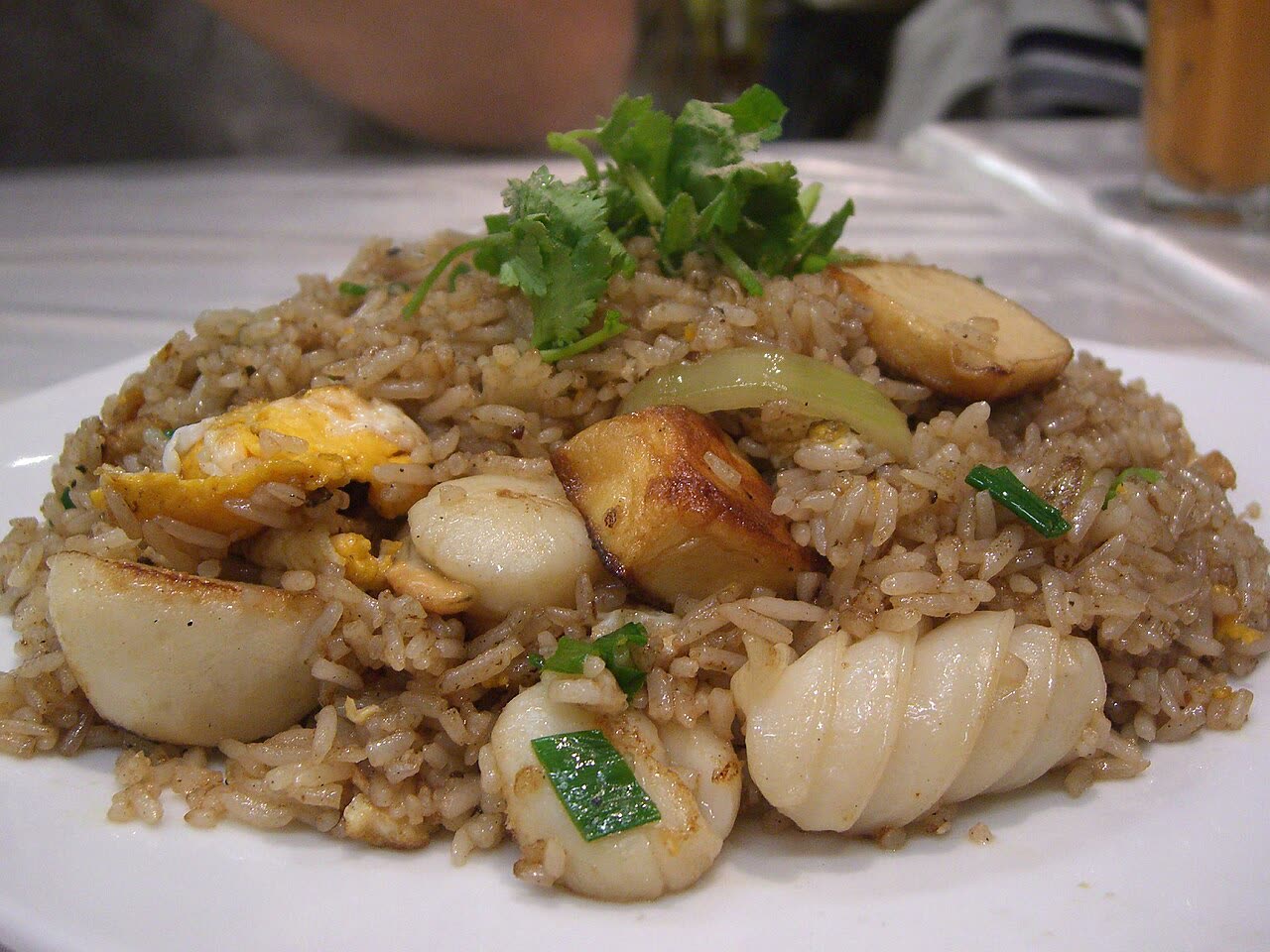
Why Restaurant Fried Rice Uses Day-Old Rice: A Cost Comparison
Day-old rice costs less and fries better. We compare prices at a Chinese grocer vs a US supermarket and explain the technique.
Jack Chen · Nov 21, 2026 · 6 min read
Food Culture
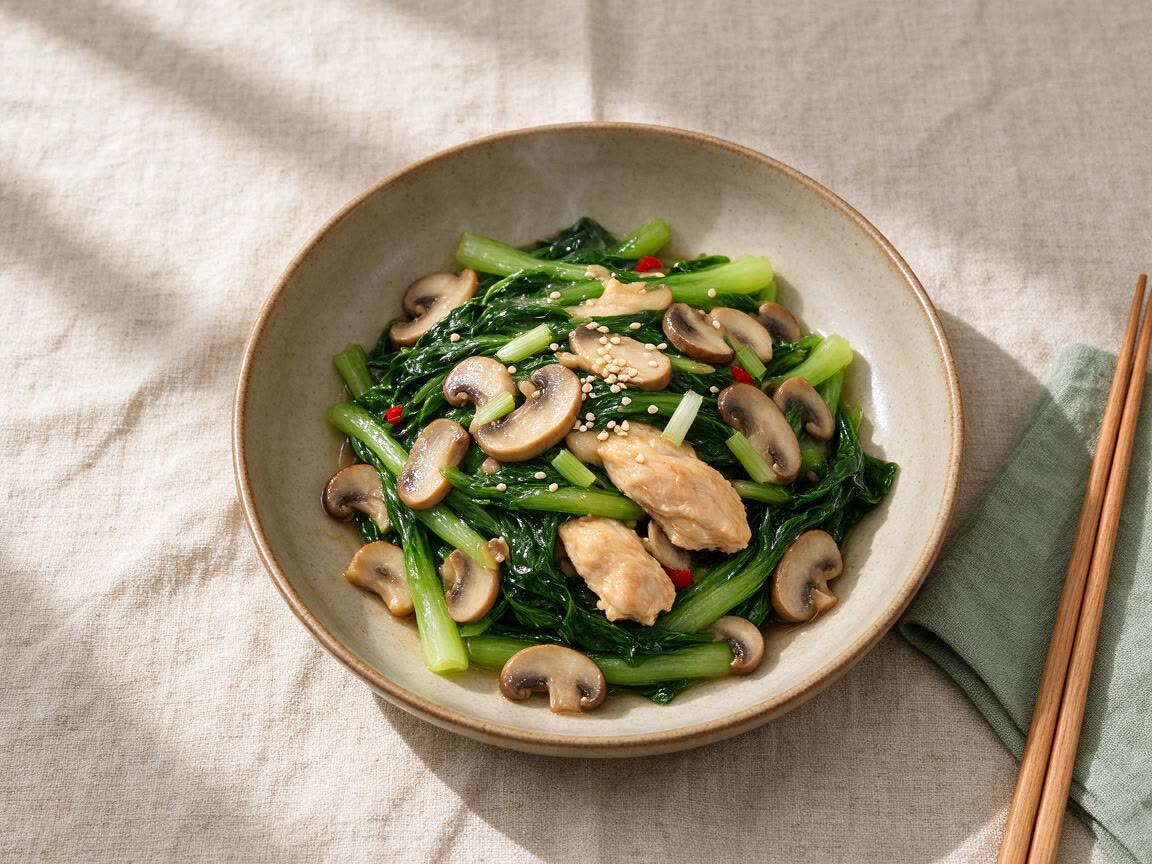
Why Chinese Dinners Are Shared From the Centre (And Why Yours Goes Wrong)
A shared Chinese table fails in 3 predictable ways: one dish per person, dishes sized like mains, no rice anchor. Here is the symptom of each, and the fix.
Jack Chen · Nov 10, 2026 · 7 min read
Food Culture
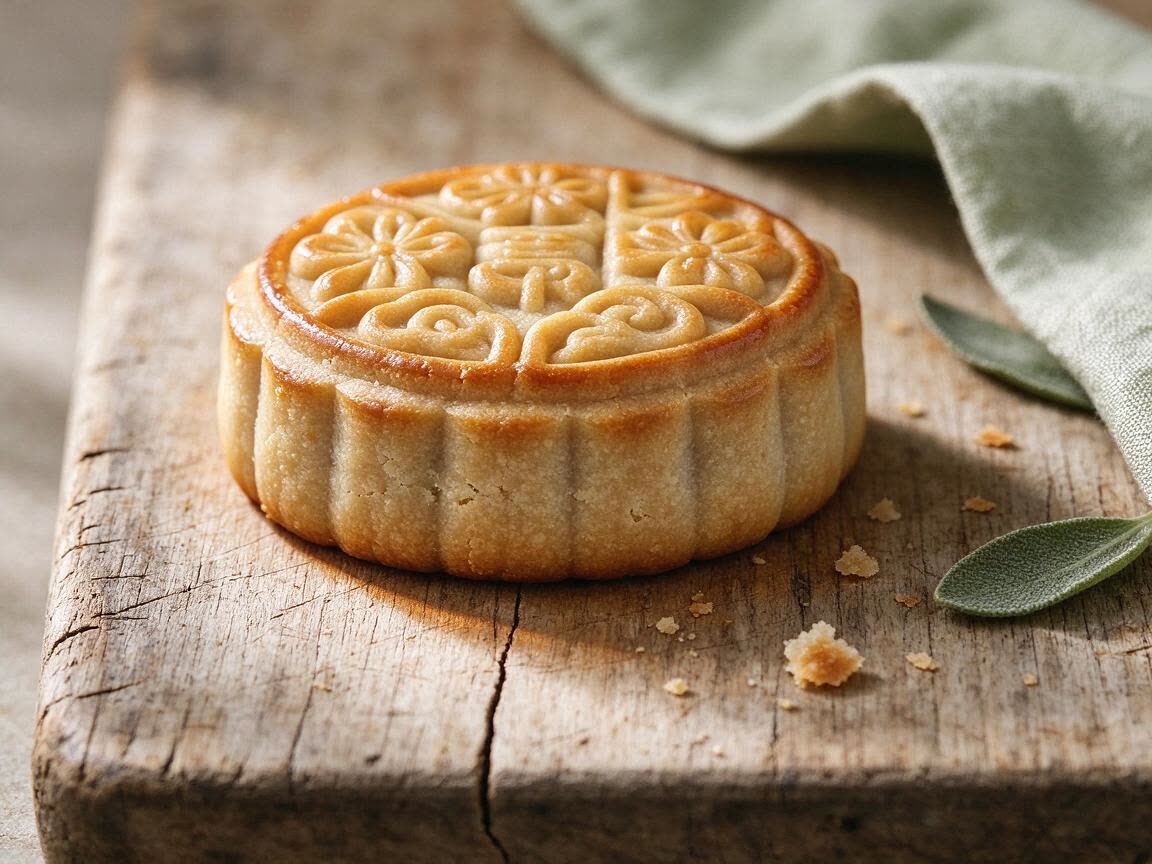
Mooncake for Beginners: What They Cost and What You Actually Get
Mooncakes cost $8 to $12 at a Chinese grocer and $18 to $25 boxed at a US supermarket. A beginner's guide to what's inside and how to eat them.
Jack Chen · Nov 9, 2026 · 6 min read
This article shares food culture and personal experience. It is not medical advice. See our medical disclaimer.
Leave a comment
ModeratedNo comments yet. Questions about the method, your family's version, or something I got wrong — write it here and I will read it.