Congee Toppings: A Build-Your-Own Guide With Real Prices
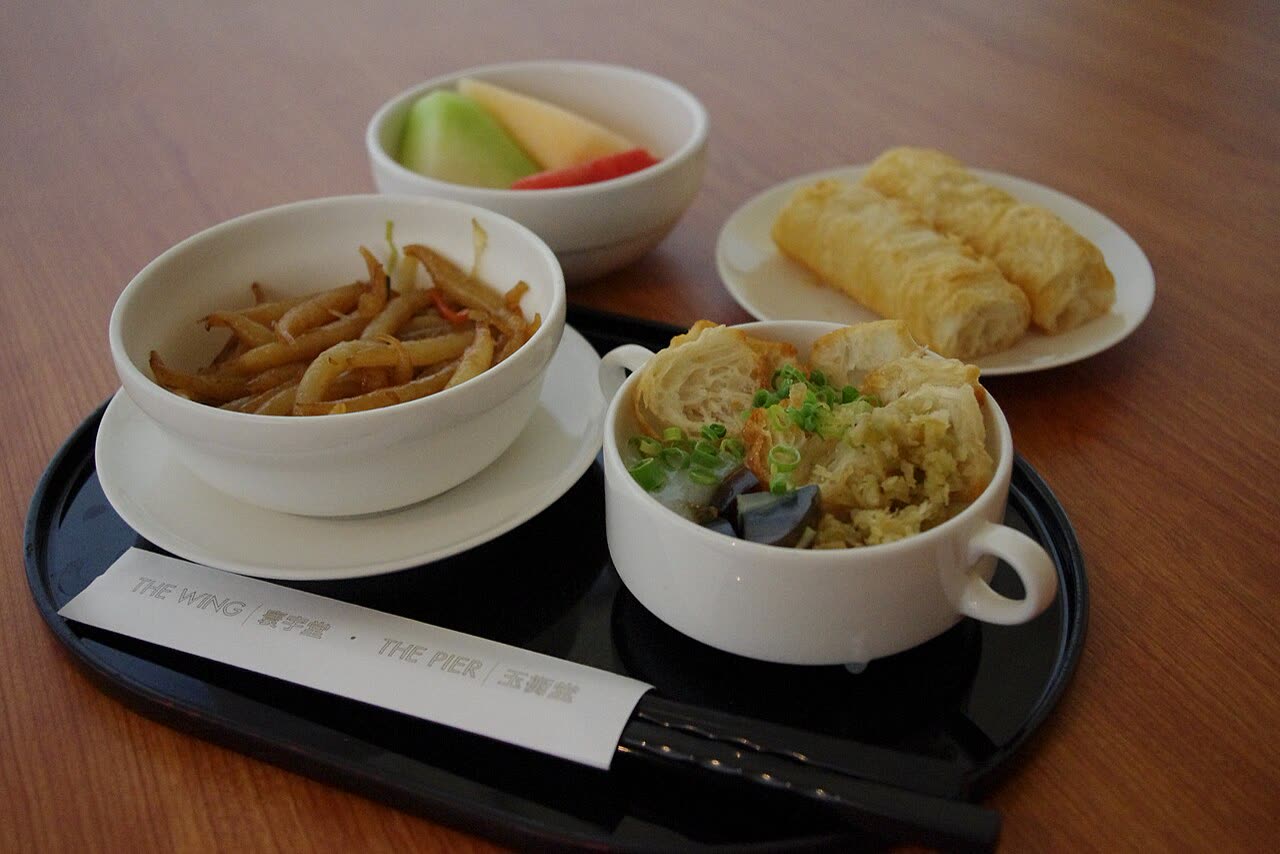
A practical guide to building a congee topping bar, with real prices from a Chinese grocer compared to a US supermarket.
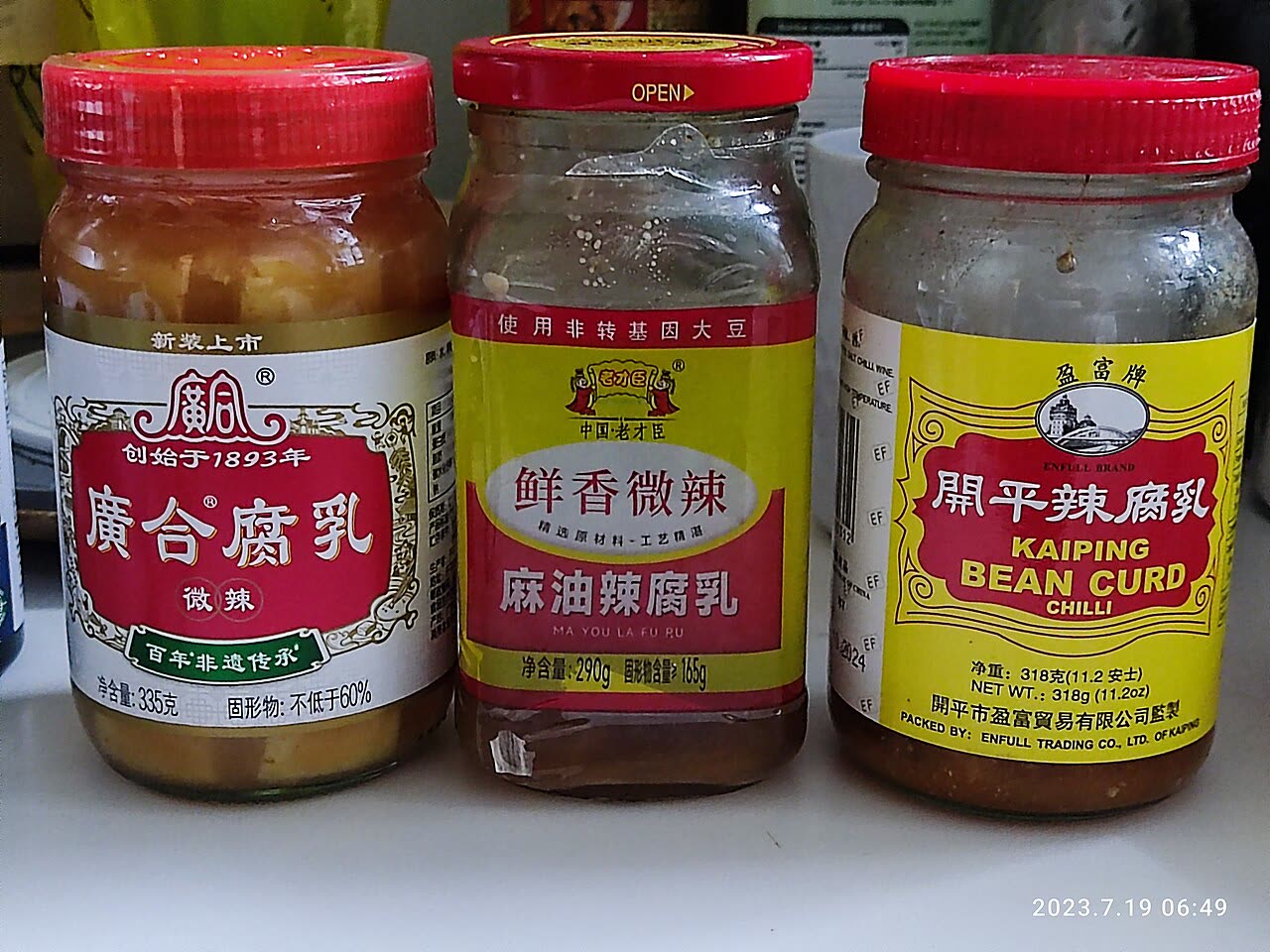
A jar of fermented bean curd costs about $2.49 at a Chinese grocer and about $4.29 at a mainstream supermarket, if the supermarket carries it at all. That gap, roughly 40 to 70 percent across the topping shelf, is the whole argument for shopping the condiment aisle at an Asian market before you build a congee bar. Congee itself is cheap: a cup of rice and ten cups of water. The toppings are where the money and the flavour live, and where the price differences show up.
What actually goes on congee?
Congee is a blank starch, so the topping logic is about contrast: salt, crunch, fat, acid, and something fermented. Cantonese cooks usually keep the base plain and set out small dishes, the same way a rice porridge breakfast works in Hong Kong teahouses. The northern version leans on pickles and wheat-based sides. Either way, the categories are consistent.
- Salty and fermented: fermented bean curd (furu), pickled mustard greens, salted duck egg, dried shrimp.
- Crunchy: fried shallots, crushed peanuts, you tiao (fried dough stick), fresh scallion.
- Fat and savoury: sesame oil, chilli oil, pork floss, a spoon of oyster sauce.
- Fresh and light: ginger slivers, cilantro, white pepper, a squeeze of lime.
- Protein: a soft-boiled egg, shredded poached chicken, silken tofu, thinly sliced fish.
You do not need all of them. Four or five across the categories is enough for a table.
Chinese grocer vs US supermarket: what does each topping cost?
Prices below are typical shelf prices from a Chinese grocer in a mid-size US city and a mainstream supermarket in the same area, checked on a recent shop. Exact prices move by region and season, so treat these as a shape, not a quote. Where a supermarket simply does not stock an item, I have marked it.
| Topping | Chinese grocer | US supermarket |
|---|---|---|
| Fermented bean curd, 8 oz jar | $2.49 | $4.29 |
| Pickled mustard greens, 12 oz | $1.79 | $3.49 |
| Salted duck eggs, 4 pack | $3.99 | $6.49 |
| Fried shallots, 7 oz | $2.99 | $4.99 |
| Dried shrimp, 4 oz | $3.49 | not stocked |
| You tiao, frozen pack | $3.29 | not stocked |
| Pork floss, 5 oz | $3.99 | not stocked |
| Sesame oil, 12 oz | $4.49 | $6.99 |
| Chilli oil, 7 oz | $3.29 | $5.49 |
| Fresh ginger, per lb | $1.29 | $2.49 |
| Scallions, bunch | $0.79 | $1.19 |
| Silken tofu, 16 oz | $1.49 | $2.49 |
The pattern is clear. Staples like ginger and scallions are cheaper at the Chinese grocer but not dramatically. The specialty items are either much cheaper or absent at the supermarket. A full topping bar for four people runs about $18 to $22 at a Chinese grocer and $30 or more at a supermarket, and even then you would be missing the dried shrimp, pork floss, and you tiao.
Which toppings are worth making at home?
Fried shallots are the clearest case. A 7 oz bag costs $2.99, but a pound of shallots plus oil gets you more for less, and the oil becomes shallot oil, which is its own topping. Slice thin, fry low, drain on paper. The same logic applies to chilli oil: a neutral oil, dried chillies, and five minutes of gentle heat beats most jars.
Salted duck eggs are not worth curing at home for a weeknight bowl. Buy them. Fermented bean curd is a fermentation project, not a topping project. Buy that too.
You tiao is the exception in the other direction. Frozen packs are fine, but if you have a wok and an hour, fresh fried dough is a different food. Most weeks, the frozen pack wins.
How do you set up a congee bar for a group?
Cook the congee plain and thick: one cup of jasmine rice to ten cups of water, simmered 90 minutes, stirred occasionally. Keep it on the lowest heat with a lid ajar. Set toppings in small bowls with spoons, grouped by category so people can see the logic. Put the saltier items at one end and the fresh herbs at the other.
A few practical notes. Salted duck eggs should be shelled and quartered so people can take a piece rather than a whole egg. Pickled mustard greens benefit from a quick rinse and a chop, otherwise they dominate. Pork floss goes in a small bowl with a fork, not a spoon, or it clumps. White pepper belongs in a shaker.
One habit I have adopted: a small dish of lime wedges next to the chilli oil. Congee is rich, and the acid cuts through in a way that vinegar does not.
What can you substitute at a regular supermarket?
If the Chinese grocer is out of reach, these swaps work with exact quantities and typical prices.
- Fermented bean curd: 2 tbsp white miso ($4.99 for 16 oz) whisked with 1 tsp rice vinegar. Not the same, but salty and fermented.
- Pickled mustard greens: 1 cup drained sauerkraut ($3.29 for 16 oz), rinsed. Crunch and acid, less bitterness.
- Dried shrimp: 1 tbsp fish sauce ($3.49 for 6.7 oz) stirred into the congee at the end, or 2 tbsp bonito flakes.
- Pork floss: 2 tbsp crushed pork rinds ($3.99 for 4 oz) mixed with 1 tsp sugar and a pinch of salt.
- You tiao: 1 sheet puff pastry ($3.49 for a 2-sheet pack), cut into strips, fried until puffed.
- Salted duck egg: 1 hard-boiled chicken egg ($2.99 for 6) mashed with 1/4 tsp salt.
These are food substitutions, not claims of equivalence. The bowl will taste different, and that is fine.
Do you need special equipment?
No. A heavy pot with a lid is enough. A Dutch oven holds heat well and keeps the congee from scorching. A rice cooker with a porridge setting works if you want to set it and forget it. A wok is useful for frying shallots and heating you tiao, but a skillet does the job.
The one thing worth buying is a small set of shallow bowls. Congee toppings are a visual exercise as much as a flavour one, and shallow bowls let people see what they are choosing.
Keep reading
- What to Do With Leftover Roast Duck
- Chinese Cleaver Care: Sharpening Angle and Honing
- What Keep-Warm Does to Rice After Four Hours
- How to Reheat Rice So It Doesn't Turn to Grit
Sources
Photo: Matt @ PEK from Taipei, Taiwan / CC BY-SA 2.0 via Wikimedia Commons · Photo: Sunglajsp Kunggong / CC BY-SA 4.0 via Wikimedia Commons
Frequently asked questions
How much does a congee topping bar cost for four people?
About $18 to $22 at a Chinese grocer for four or five toppings across the salty, crunchy, and fresh categories. The same spread at a mainstream supermarket runs $30 or more, and several items, including dried shrimp, pork floss, and you tiao, are often not stocked at all.
What is the cheapest congee topping?
Scallions and ginger. A bunch of scallions is around $0.79 at a Chinese grocer and $1.19 at a supermarket, and fresh ginger runs about $1.29 per pound versus $2.49. Both are also the toppings that do the most work for the least money.
Can I make congee toppings ahead of time?
Yes. Fried shallots keep for two weeks in a sealed jar. Chilli oil keeps for a month in the fridge. Pickled mustard greens keep for weeks once opened. Salted duck eggs should be shelled close to serving. Cook the congee the same day, or make it ahead and loosen it with water when reheating.
About the author
Writer & Home Cook
Chinese home cook writing about seasonal food traditions from an American kitchen. Grew up in Guangdong, now cooks for a mixed family in the US.
Keep simmering

Seasonal Recipes
Deep-Frying in a Home Kitchen Without Fear: Three Things That Go Wrong
Oil that drops, batter that slides off, a pot that boils over. Three failures in home deep-frying, what each looks like, and the exact fix.
Jack Chen · Nov 26, 2026 · 6 min read
Seasonal Recipes
What to Do With Leftover Roast Duck
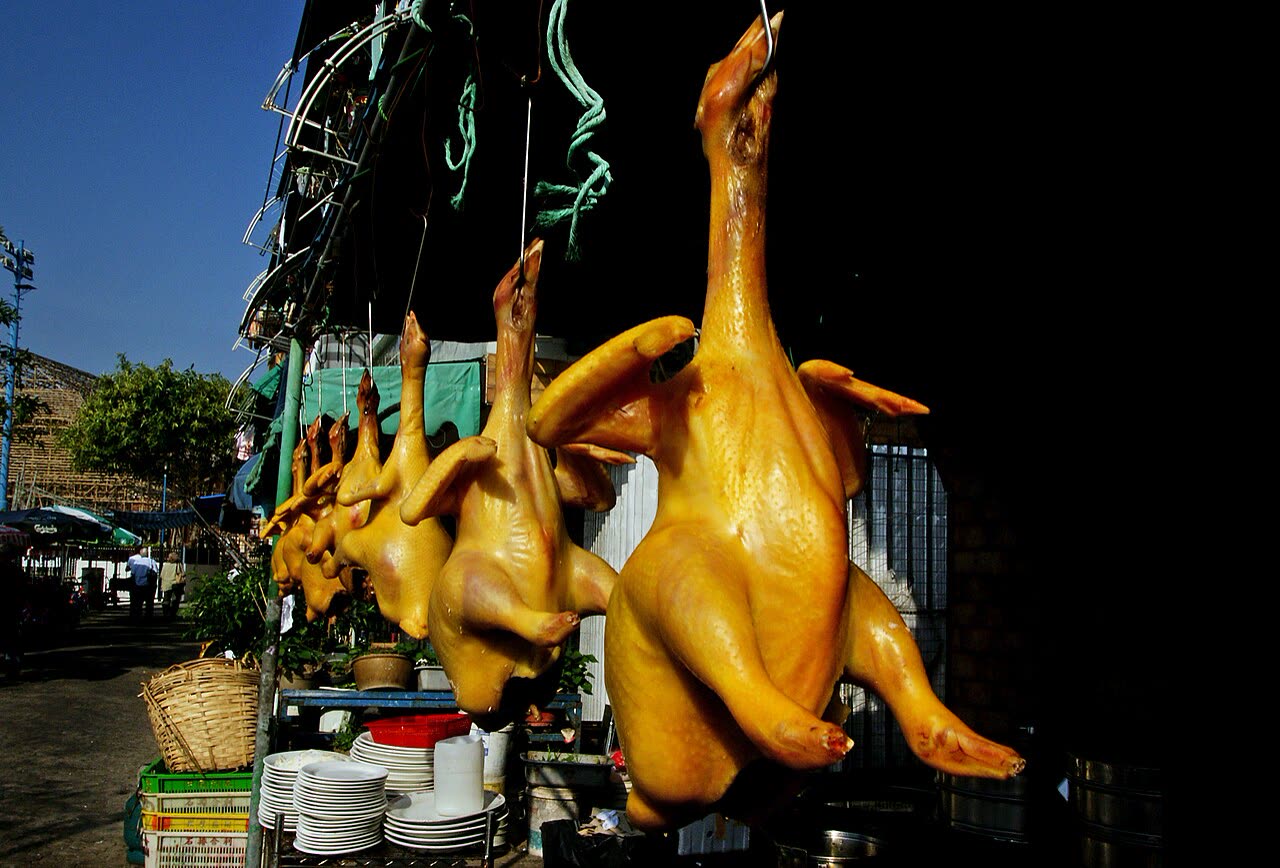
A whole Cantonese roast duck costs about $28 and feeds two. Here is how to use the rest: reheating, noodles, fried rice, and the bones.
Jack Chen · Nov 24, 2026 · 6 min read
Seasonal Recipes
Chinese Cleaver Care: Sharpening Angle and Honing
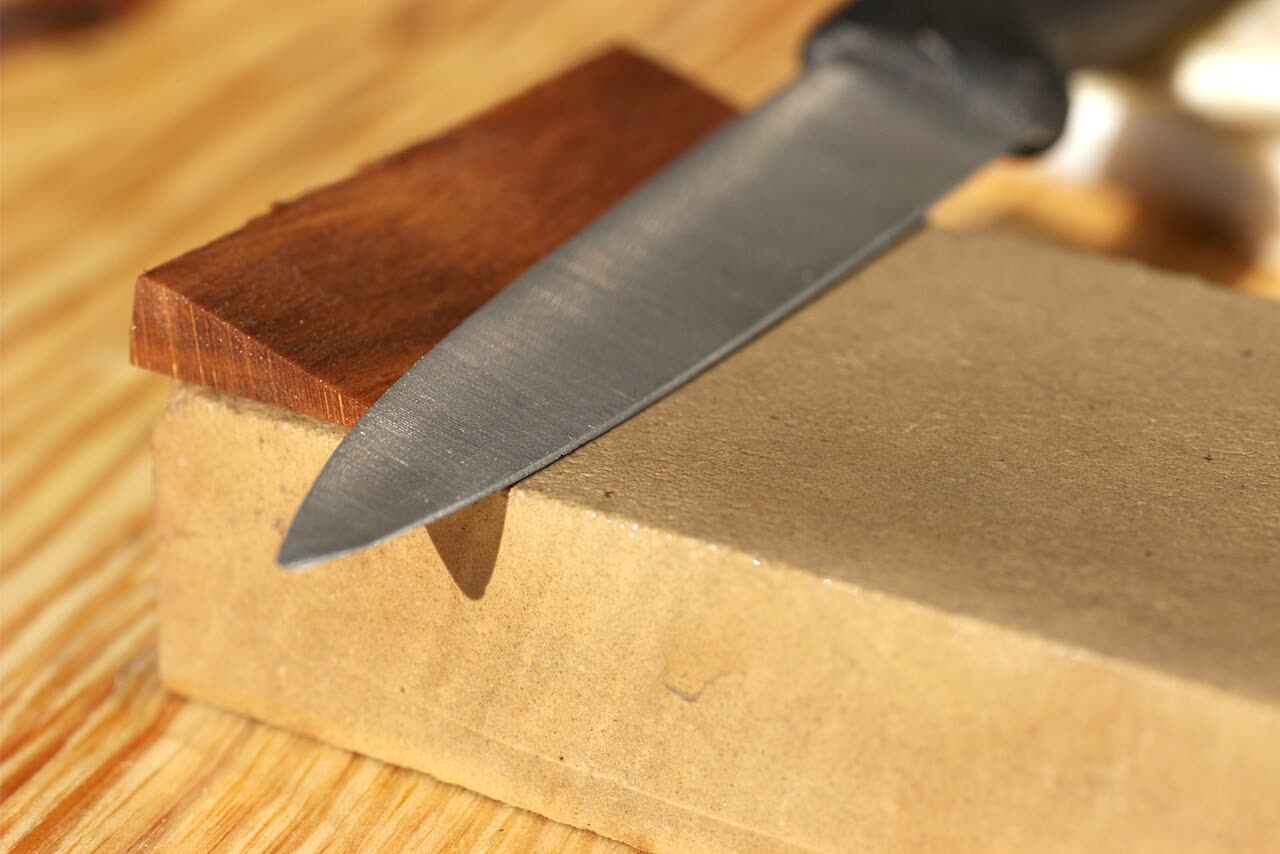
Most Chinese cleavers are sharpened at 15 to 20 degrees per side. Here is how to find that angle, hone without wrecking it, and fix a dull edge.
Jack Chen · Nov 20, 2026 · 5 min read
This article shares food culture and personal experience. It is not medical advice. See our medical disclaimer.
Leave a comment
ModeratedNo comments yet. Questions about the method, your family's version, or something I got wrong — write it here and I will read it.