Soy Sauce Grades Explained: What You're Actually Buying
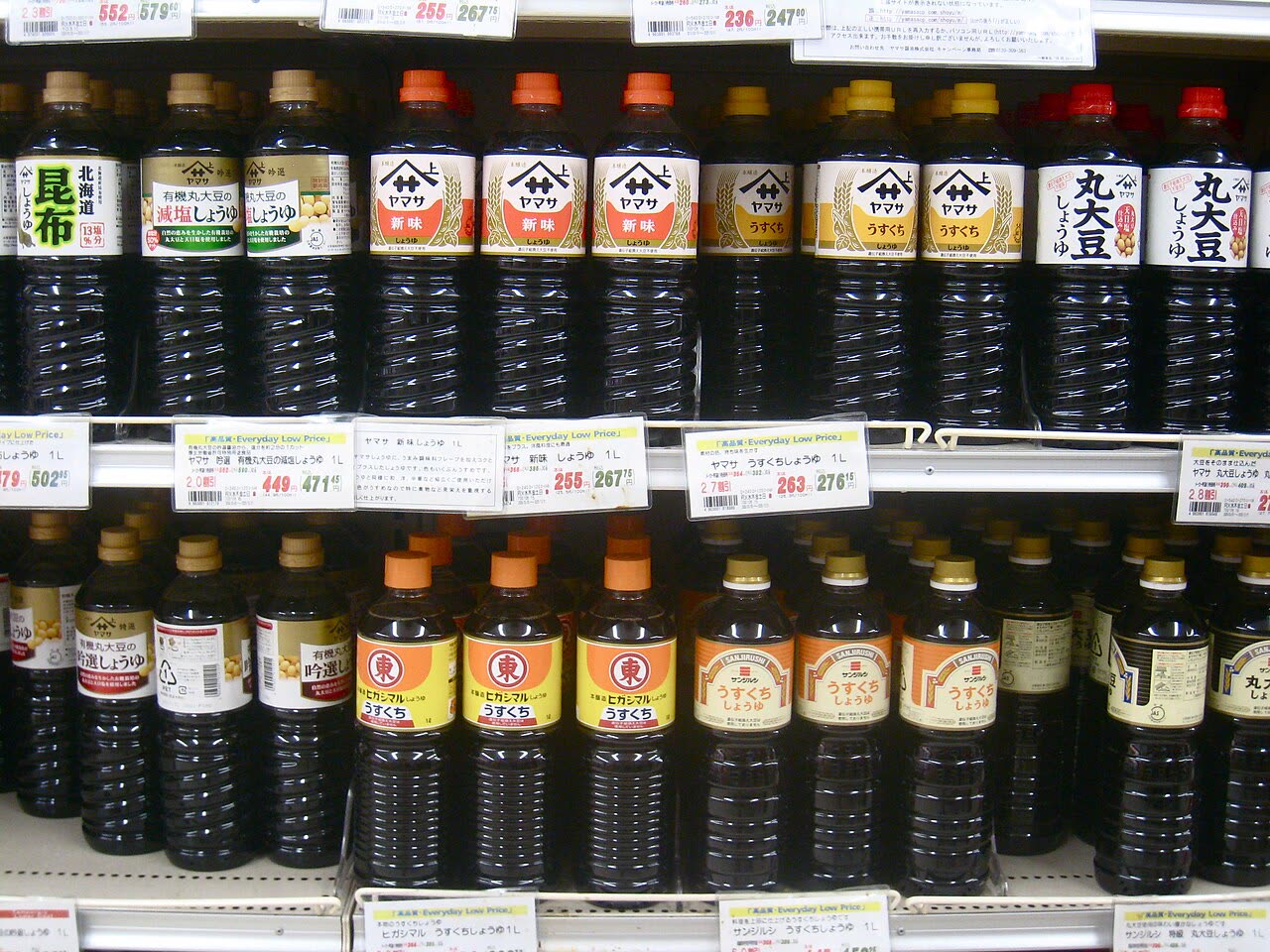
Light, dark, first-extract, brewed versus blended: what Chinese soy sauce labels mean, why a $4 and a $14 bottle can look identical, and which one to buy.
A $4 bottle of light soy sauce and a $14 bottle of 'first extract' can sit on the same shelf, both labeled the same way in English. The difference is grade, and grade in Chinese soy sauce is not marketing. It is a set of defined categories: how the sauce was made (brewed or blended), how much of it came from the first draw of the fermentation, and whether it is light or dark. Get the grade right and the bottle lasts six months and does what you ask. Get it wrong and you have paid extra for a sauce that tastes like salt water.
What does the grade on a soy sauce bottle actually mean?
Chinese soy sauce is graded on nitrogen content, which is a proxy for how much soybean protein was broken down into amino acids during fermentation. The Chinese national standard (GB 18186) sorts brewed soy sauce into four levels: special grade (特级), first grade (一级), second grade and third grade. Special grade requires at least 0.8 g of amino nitrogen per 100 mL; the levels step down from there. In practice, a higher grade means more fermentation time, more aroma, and a rounder taste rather than a flat salt hit.
Supermarket bottles often print this as a number, or as 特级 in Chinese. If you see neither, you are probably looking at a blended product, which is a different category altogether. Grade is not the same as price, but the two usually track each other within one brand.
What is the difference between light and dark soy sauce?
These are two different products, not two strengths of the same thing. Light soy sauce (生抽, sheng chou) is the everyday seasoning: salty, thin, and meant to go into the wok or the dipping dish. Dark soy sauce (老抽, lao chou) has molasses or caramel added and is cooked down further; it is thicker, sweeter, less salty, and used for color. A braise gets both: light for salt and savor, dark for the mahogany tint.
A common mistake is swapping one for the other. Use dark soy sauce as your only seasoning and the dish goes sweet and dull. Use light soy sauce where a recipe wants dark and the braise comes out pale. If you keep only one bottle, keep light. My own shelf holds a large light soy sauce, a small dark one, and a bottle of first-extract that I use raw.
What does 'first extract' or 'double fermented' mean, and is it worth it?
First extract (头抽, tou chou) is the soy sauce drawn off at the first pressing of the fermented mash, before water is added to the residue to make a second and third draw. It is darker, more aromatic, and more expensive because one batch of mash yields less of it. 'Double fermented' usually means the mash was fermented, pressed, and then the liquid was fermented again or blended with a fresh mash. Both terms are used loosely; neither is tightly regulated in the way the nitrogen grades are.
Is it worth it? For cooking, no. Heat flattens the difference. For dipping, drizzling over steamed fish, or finishing a cold noodle dish, yes, and a small bottle lasts a long time. Buy the cheap bottle for the wok and the good bottle for the table.
How do I read the label if I don't read Chinese?
Three things to look for. First, the ingredient list: brewed soy sauce should be water, soybeans, wheat, salt, and a culture. If you see hydrolyzed vegetable protein, corn syrup, or 'caramel color' high on the list, it is blended or heavily doctored. Second, the words 'naturally brewed' (酿造) versus 'blended' (配制). Third, the country of origin and the brand. Japanese-style soy sauces (Kikkoman, Yamasa) are brewed to a different standard and are saltier and cleaner-tasting than most Chinese light soy sauces; they work fine in Chinese cooking but you will want to reduce added salt.
US supermarkets stock a narrow range. Pearl River Bridge light soy sauce runs about $3.50 to $5 for 500 mL at Asian grocers and around $6 online. Lee Kum Kee light soy sauce is similar. For dark soy sauce, the same brands cost about $4 to $6 for a smaller bottle. If your store only carries Kikkoman, buy the regular (not low-sodium) for cooking and add salt to taste.
Which grade should I buy for stir-frying, and which for dipping?
For stir-frying, a standard light soy sauce at first or second grade is right. You are using it in quantity and the wok will burn off the volatile aromatics anyway. A $4 bottle does this job perfectly. For braises and red-cooked dishes, a dark soy sauce at any grade works; color is the point.
For dipping and finishing, buy the best first-extract light soy sauce you can find, in the smallest bottle available, and keep it out of the light. Serious Eats' taste tests have consistently found that the difference between premium and standard soy sauces is most obvious raw. A $12 bottle used a teaspoon at a time lasts a year.
Does soy sauce go bad, and how should I store it?
Brewed soy sauce is salty and acidic enough that it keeps a long time, but it does change. Opened bottles oxidize, darken, and lose aroma over about six months to a year. Keep them in a cool cupboard away from the stove, not on the counter next to the heat. Dark soy sauce, with its sugar, is more stable in color but can thicken. If a bottle smells flat or metallic, replace it. Refrigeration slows the decline but makes the sauce cloudy; I keep the good bottle in the fridge and the cooking bottle in the cupboard.
One more thing: check the sodium. Chinese light soy sauces vary widely, from around 500 mg to 900 mg per tablespoon. If you are switching brands, taste before you add salt to the dish.
Keep reading
- Dried Scallops: Worth It or Not?
- Dried Tangerine Peel: The Citrus That Ages Like Leather
- Ginger Scallion Oil: The Three-Ingredient Condiment That Runs a Cantonese Kitchen
- Lotus Root: The Vegetable With Holes, and the Two Ways We Cook It
Sources
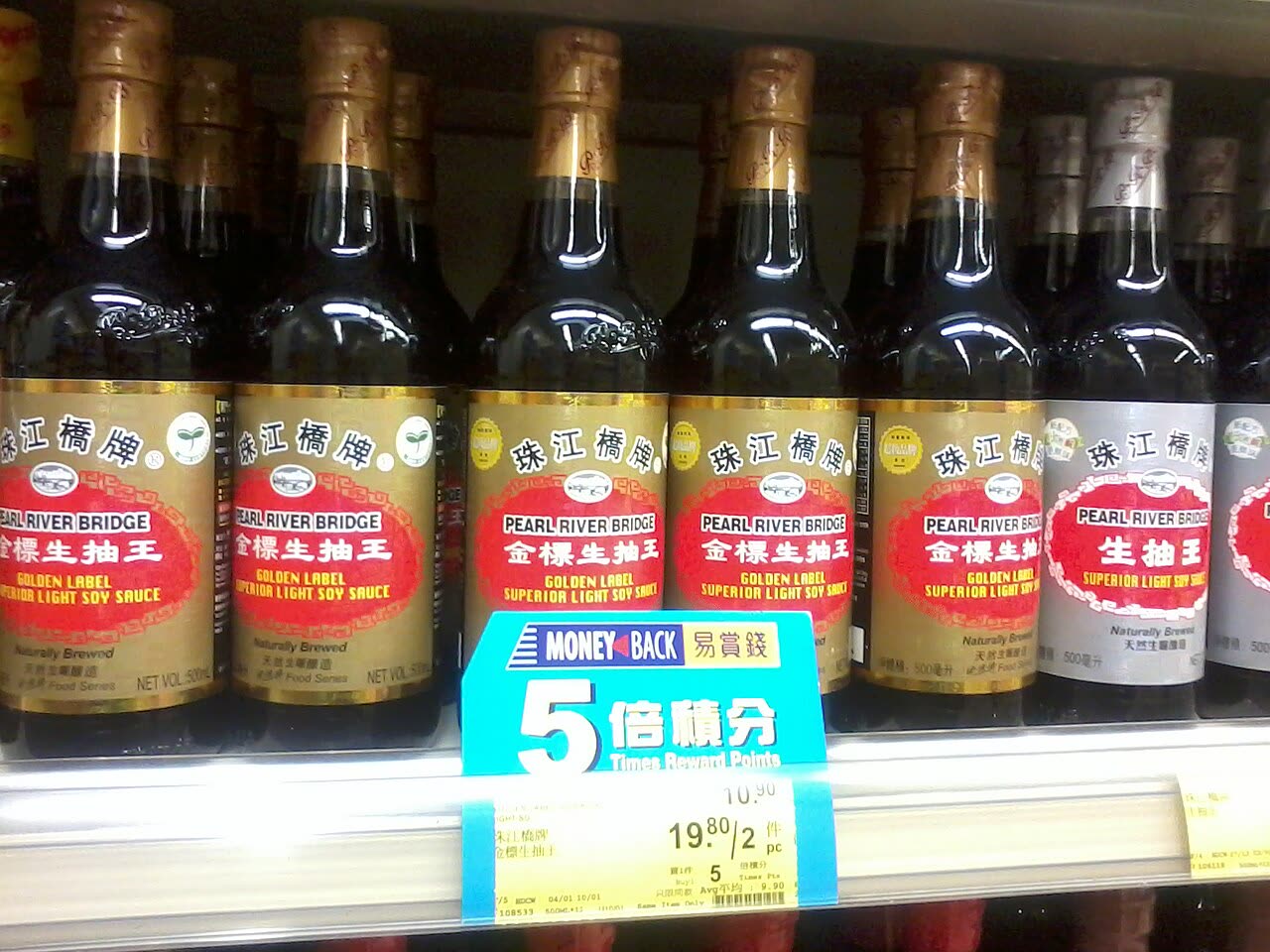
Photo: Dom Pates / CC BY 2.0 via Wikimedia Commons · Photo: Luidaguhee / CC BY-SA 3.0 via Wikimedia Commons
Frequently asked questions
Is light soy sauce the same as low-sodium soy sauce?
No. Light soy sauce (sheng chou) refers to the thin, first-pressed style used for everyday seasoning, not to sodium content. Low-sodium soy sauce is a separate product and is usually a modified version of a standard brew. Check the nutrition panel rather than the front label.
Can I substitute Japanese soy sauce for Chinese light soy sauce?
Yes, for most stir-fries and marinades. Japanese soy sauce is generally saltier and a little sweeter, so start with about three-quarters of the amount and add salt at the end. Do not substitute it for dark soy sauce; it will not give the color a braise needs.
What is the difference between 'brewed' and 'blended' soy sauce?
Brewed soy sauce is fermented from soybeans, wheat, salt and culture over weeks or months. Blended soy sauce is made by mixing hydrolyzed vegetable protein, brine, caramel and sometimes sweeteners. Blended is cheaper and faster to make; brewed has more aroma and a rounder taste. The ingredient list tells you which you have.
About the author
Writer & Home Cook
Chinese home cook writing about seasonal food traditions from an American kitchen. Grew up in Guangdong, now cooks for a mixed family in the US.
Keep simmering
Ingredient Guides
Dried Shiitake vs Fresh: When Each One Wins
Dried shiitake tastes deeper and costs less per ounce of flavour; fresh wins on texture and speed. A guide to picking the right one.
Jack Chen · Nov 23, 2026 · 6 min read

Ingredient Guides
How to Store Fresh Ginger So It Doesn't Dry Out
Three ways fresh ginger goes wrong, the symptom of each, and the fix. A troubleshooting guide for the fridge, the counter and the freezer.
Jack Chen · Nov 22, 2026 · 7 min read
Ingredient Guides
Star Anise, Cloves and Cassia: What Each One Actually Does in a Braise
Three warm spices, three different jobs. A shopper's guide to what star anise, cloves and cassia add to a pot of red-braised pork or beef.
Jack Chen · Nov 15, 2026 · 6 min read
This article shares food culture and personal experience. It is not medical advice. See our medical disclaimer.
Leave a comment
ModeratedNo comments yet. Questions about the method, your family's version, or something I got wrong — write it here and I will read it.