Dried Shiitake vs Fresh: When Each One Wins
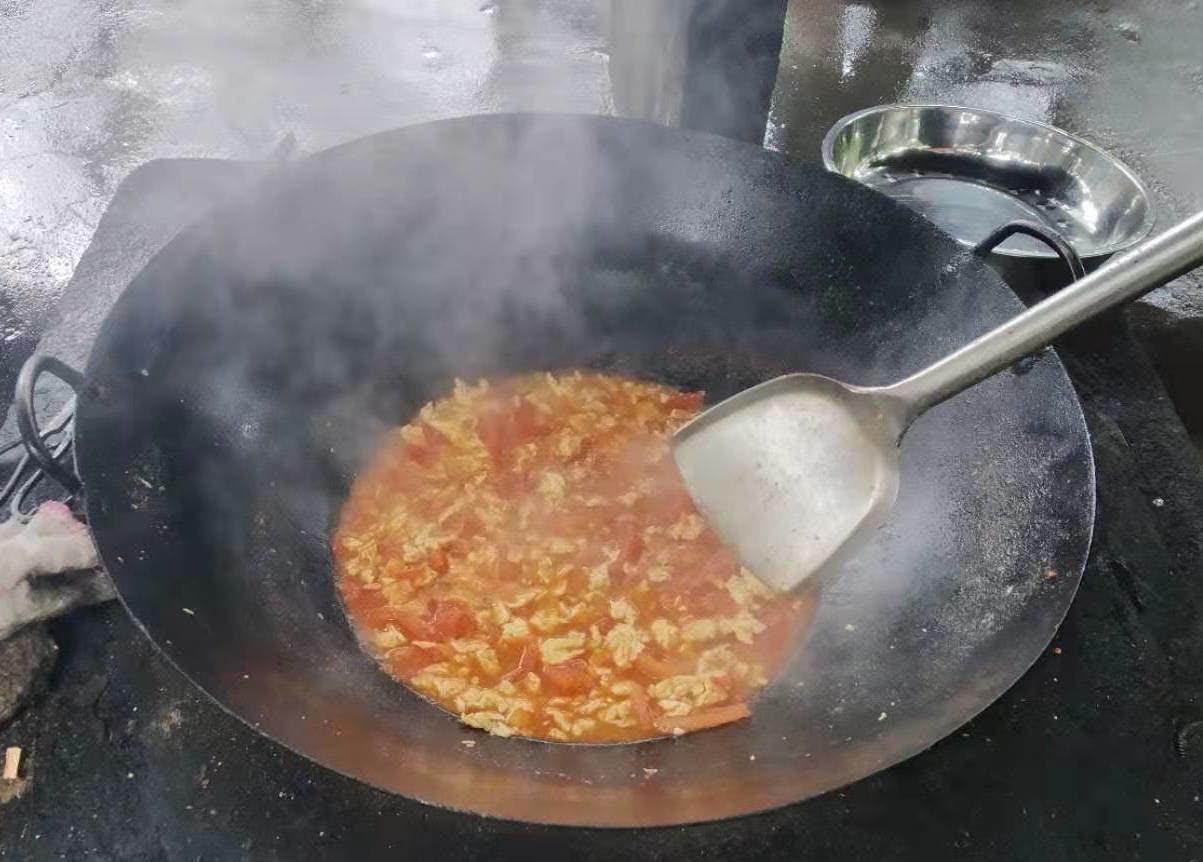
Dried shiitake tastes deeper and costs less per ounce of flavour; fresh wins on texture and speed. A guide to picking the right one.
A 3-ounce bag of dried shiitake costs about $6 to $9 at an Asian grocer and holds the equivalent of roughly a pound of fresh caps once soaked. Fresh shiitake at a US supermarket runs $6 to $10 a pound, sometimes more in small clamshell packs. That price gap is the first thing to understand, but it is not the only thing. Dried and fresh shiitake are close to different ingredients: one is a concentrated seasoning, the other a vegetable. Here are the questions cooks actually ask.
Are dried and fresh shiitake the same mushroom?
Yes and no. Both are the fruiting body of Lentinula edodes, but drying changes the chemistry. As the caps lose water, enzymes and heat break down proteins and nucleic acids into free amino acids and guanylates, the compounds behind savoury flavour. That is why soaking water from dried shiitake tastes like stock while fresh soaking water tastes like almost nothing.
Dried caps also tend to be thicker and darker because most commercial drying uses cultivated strains grown for firmness. Fresh supermarket shiitake are often younger and milder, picked for looks and shelf life. Treat them as related but not interchangeable. If a recipe says dried, the cook usually wants the deeper flavour and the soaking liquid.
Which one should I use for stir-fries and braises?
Braises and stews: dried, almost every time. The concentrated savoury note holds up over 45 minutes of simmering where fresh caps go soft and bland. Rehydrate them first, then add the strained soaking liquid to the pot. Cantonese cooks usually keep the soaking water and use it as part of the braising liquid for pork belly or chicken. For a standard 2-pound pork belly braise, 6 to 8 soaked caps and about 1 cup of strained soaking liquid give a clear mushroom backbone without overwhelming the meat.
Stir-fries: fresh, if you want texture. Sliced fresh caps sear in a hot wok in two minutes and keep a springy bite. Dried caps, once soaked, work too but are softer and heavier; they suit a slow stir-fry with soy and sugar more than a fast, dry one. If you only have dried, soak them in warm water for 30 minutes, squeeze them out, and slice thick. A common mistake is adding soaked dried caps to a dry, high-heat wok: they release water, steam instead of sear, and turn rubbery. Pat them dry and add them after the aromatics have had their moment.
Do I have to soak dried shiitake, and for how long?
Yes, unless you are making stock. Warm water, 30 minutes for thin caps, 45 to 60 for thick ones. Put a small plate on top to keep them submerged. Cold water overnight gives a slightly cleaner flavour, but the difference is small.
Two rules. First, rinse the caps before soaking to remove grit from the gills. Second, strain the soaking liquid through a paper towel or fine sieve before using it, because sand settles in the bowl. The liquid is the point: it is dark, smells of forest floor and soy, and makes a good base for braises, noodle soups and the sauce for lo mein. Do not throw it out. If you are unsure about the liquid, taste a spoonful after straining; it should be savoury and clean, not bitter. Bitterness usually means the caps were old or the soak went too long in hot water.
What about the stems?
Trim and discard fresh stems; they are woody and fibrous. Dried stems are tougher still, but they are useful. Keep a bag of dried stems in the freezer and add a handful to chicken or vegetable stock, then fish them out. They give body without much mushroom flavour of their own. Some cooks grind dried stems to a powder and use it as a seasoning, though the taste is more savoury than mushroomy. A spice grinder works; a blender usually leaves fibrous bits. Sift the powder after grinding if you want a smooth texture.
Can I substitute one for the other in a recipe?
Roughly, yes, with adjustments. One ounce of dried shiitake rehydrates to about 3 to 4 ounces of usable mushroom, so a recipe calling for 8 ounces fresh needs about 2 to 2.5 ounces dried. The reverse also works: if a braise calls for dried and you only have fresh, use three times the weight and add a splash of soy or a dried porcini cube to make up the savoury depth.
The substitution is less reliable in dishes where mushroom is the main event, like a vegetarian dumpling filling or a mushroom-only stir-fry. There the texture difference shows. In a braise or soup, nobody notices. A dumpling filling made with fresh caps will be looser and wetter; salt the chopped mushrooms for 10 minutes, squeeze them in a clean towel, and add a teaspoon of cornstarch to bind. A filling made with dried caps is firmer and takes less seasoning.
How should I store each one?
Dried shiitake keep for a year or more in an airtight jar away from light. I keep a mason jar in a dark cupboard and label the date, because older caps lose aroma and take longer to soften. If they smell dusty rather than sweet, they are past their best. A silica packet in the jar helps in humid kitchens.
Fresh shiitake are best within a week. Keep them in a paper bag in the fridge, not a sealed plastic container, which traps moisture and turns the caps slimy. Wash them just before cooking. Do not freeze fresh caps raw; the texture collapses. Cook them first, or dry them yourself in a low oven and treat them as dried. To dry at home, slice caps 1/4 inch thick and hold them at 125°F (52°C) for 4 to 6 hours, until brittle. A dehydrator is more even than an oven.
The short version
Buy both. Keep dried in the pantry for braises, stocks and dumpling fillings, and buy fresh when you want a quick stir-fry or a meaty texture on the plate. The dried bag is cheaper per unit of flavour and lasts longer. The fresh pack is a vegetable. Different jobs, different tools.
For sourcing, Asian groceries and online Chinese pantry suppliers usually beat supermarket prices on dried caps, and the quality is often better because turnover is faster. Look for thick, pale-gilled caps with intact edges and a clean, sweet smell. For a first-time American cook, start with a 3-ounce bag of whole dried caps (not sliced, which lose aroma faster) and a 4-ounce pack of fresh shiitake from a store with steady turnover. Skip the expensive specialty brands until you know what you like. A $7 bag of whole caps and a $5 clamshell will teach you more than a $20 tin.

Keep reading
- How to Store Fresh Ginger So It Doesn't Dry Out
- Star Anise, Cloves and Cassia: What Each One Actually Does in a Braise
- Shaoxing Wine Substitutes That Actually Work
- Salted Duck Eggs: Buying, Curing, and Using Them (With Real Prices)
Sources
Photo: Jason M. C., Han / CC BY-SA 4.0 via Wikimedia Commons · Photo: Florstein ( Telegram: WikiPhoto.Space ) / CC BY-SA 4.0 via Wikimedia Commons
Frequently asked questions
How much dried shiitake equals fresh?
About 1 ounce dried rehydrates to 3 to 4 ounces of usable mushroom, so 8 ounces fresh needs roughly 2 to 2.5 ounces dried.
Can I use the soaking water?
Yes. Strain it through a paper towel or fine sieve to remove grit, then use it in braises, soups and sauces. It is deeply savoury.
How long do dried shiitake last?
About a year in an airtight jar away from light. Older caps lose aroma and take longer to soften. Smell them before using.
About the author
Writer & Home Cook
Chinese home cook writing about seasonal food traditions from an American kitchen. Grew up in Guangdong, now cooks for a mixed family in the US.
Keep simmering

Ingredient Guides
How to Store Fresh Ginger So It Doesn't Dry Out
Three ways fresh ginger goes wrong, the symptom of each, and the fix. A troubleshooting guide for the fridge, the counter and the freezer.
Jack Chen · Nov 22, 2026 · 7 min read
Ingredient Guides
Star Anise, Cloves and Cassia: What Each One Actually Does in a Braise
Three warm spices, three different jobs. A shopper's guide to what star anise, cloves and cassia add to a pot of red-braised pork or beef.
Jack Chen · Nov 15, 2026 · 6 min read
Ingredient Guides
Shaoxing Wine Substitutes That Actually Work
Three ways swapping shaoxing wine goes wrong, the symptom you will taste, and the fix that keeps the dish on course.
Jack Chen · Nov 14, 2026 · 6 min read
This article shares food culture and personal experience. It is not medical advice. See our medical disclaimer.
Leave a comment
ModeratedNo comments yet. Questions about the method, your family's version, or something I got wrong — write it here and I will read it.