Ginger Scallion Oil: The Three-Ingredient Condiment That Runs a Cantonese Kitchen
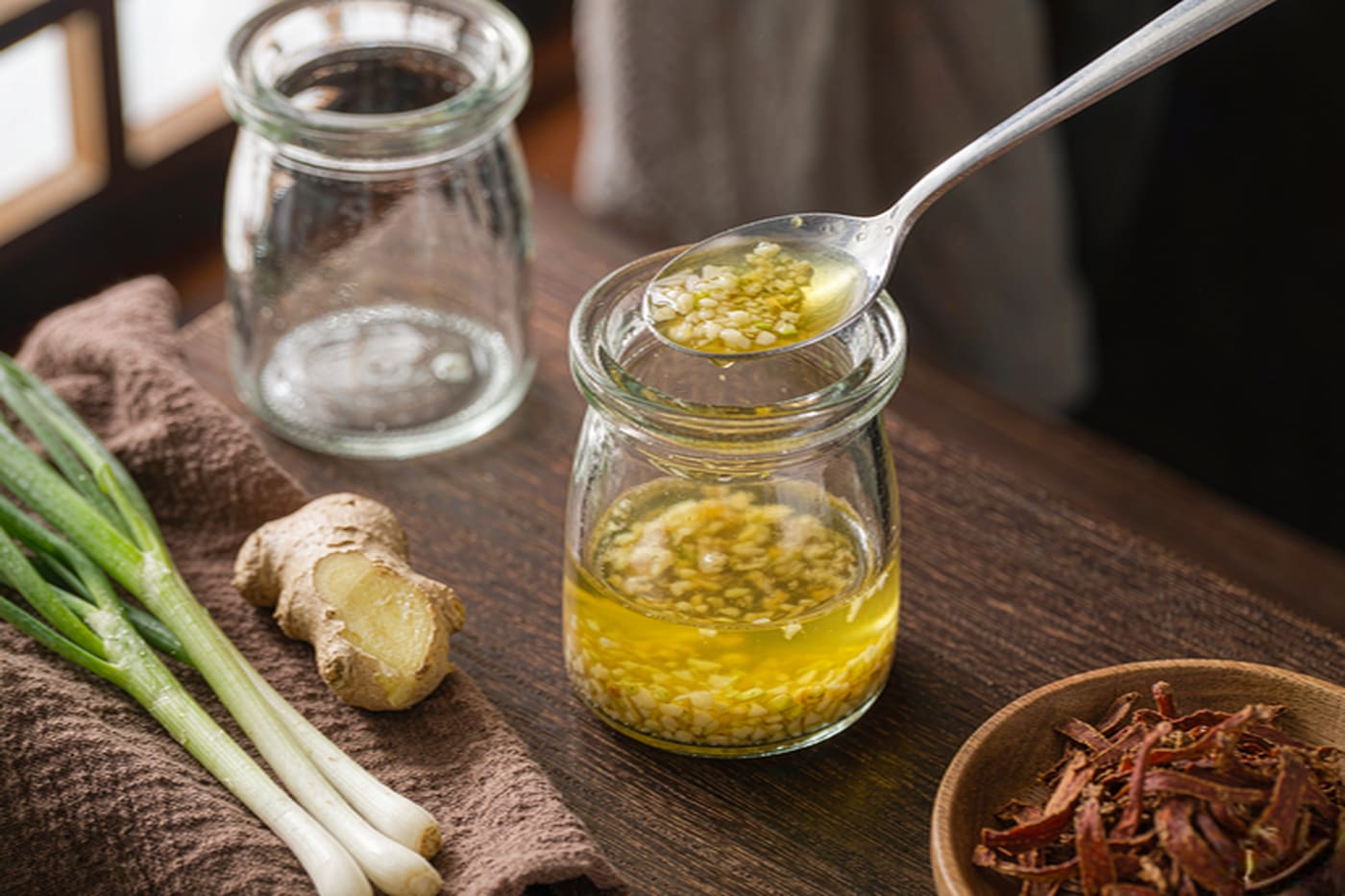
Jiang cong you is not a recipe so much as a kitchen institution — poured over steamed fish, tossed with noodles, spooned over plain rice. The version I make weekly, and the mistakes I made for years.
There is a moment in every Cantonese restaurant meal that outsiders rarely notice: the steamed fish arrives, glossy under its shower of raw scallion, and then a ladle of smoking-hot oil comes down on the plate with a sound like applause.
That oil is not neutral. It is ginger scallion oil — jiang cong you — and it is the closest thing my childhood kitchen had to a default setting. Plain rice wanting company, noodles at ten at night, a fish that came out of the steamer blander than promised: everything, at some point, got a spoonful of it.
It takes three ingredients and ten minutes, which is why I find it strange that so few American kitchens make it. It is the condiment equivalent of a cast-iron pan: unglamorous, endlessly useful, better than what you were doing before.
The whole recipe, which I could put on a fortune cookie
- A fist-sized knob of ginger, peeled, minced fine — by hand. More on this below.
- 5 or 6 scallions, minced fine, whites and greens together
- Half a teaspoon of salt
- About half a cup of neutral oil (grapeseed, canola)
Pile the ginger, scallion and salt in a heatproof bowl. Heat the oil until it shimmers — not smoking, shimmering — and pour it over. It will roar and then settle into a contented sizzle. Stir once. That is it. Taste after ten minutes and adjust salt.
Spoon it over steamed fish (the canonical use), toss it with noodles and a splash of soy sauce, stir it through plain congee, or — the honest use — keep it in a jar by the stove and put it on whatever is boring you tonight. It keeps a week or more in the fridge; the oil solidifies and goes soft-gold, which is normal, and it comes back at room temperature.
The three mistakes I made for years, so you can skip them
One: the blender. For a long time I minced nothing and pulsed everything, because the year was finite. The blender turns ginger and scallion into a wet purée, and purée behaves differently in hot oil — it burns faster, clouds the oil, and gives you a sauce that tastes fried rather than fragrant. Ten minutes with a knife, aiming for a coarse mince, and the oil comes out clear and clean. This is one of those cases where the old way is not nostalgia; it is just correct.
Two: heat. The first time I made this alone, I panicked mid-pour, decided the oil was not hot enough, reheated it to a rolling shimmer, and poured. The scallions blackened on contact and the whole bowl tasted like regret. The oil wants to be hot enough to sizzle the moment it lands, not hot enough to fry the aromatics before they have said anything. Shimmering, lightly rippling — if it is smoking, you have left.
Three: under-salting. This is a condiment, and condiments live or die on salt. The salt does double duty: seasoning and drawing a little moisture out of the aromatics so they flavor the oil instead of just floating in it. Start with half a teaspoon, taste the finished sauce on a plain spoonful of rice — never judge a condiment on a bare spoon, everything tastes harsh on a bare spoon — and adjust.
What to make first with it, once you have it
Steamed fish is the classic, and it deserves the reputation: a fillet over a bed of scallion, steamed eight minutes, then dressed with a spoonful of soy sauce mixture and a final pour of the oil that re-heats everything at the table. But my actual recommendation for a first-timer is humbler: make a pot of plain rice, put a fried egg on it, and then the ginger scallion oil. If that plate does not become a permanent weeknight fixture, write to me and I will be genuinely surprised.
There is a version of cooking content that treats condiments as projects — ferments that take weeks, chile oils with sixteen ingredients. This is the opposite tradition. Three ingredients, one pan, and it quietly upgrades everything else you were already making. My grandmother's tin of tangerine peel got the reverence, but the ginger scallion oil did the daily work. Most tradition is like that.
Frequently asked questions
What is ginger scallion oil used for?
In Cantonese cooking it is the classic finishing sauce for steamed fish, and it doubles as a noodle toss, a rice topper, and a general rescue for anything plain. It keeps in the fridge for a week or more.
Why did my ginger scallion oil turn bitter?
Almost always because the oil was too hot. Aromatics fried hard turn acrid within seconds. The oil should sizzle gently around the aromatics, not boil them.
Can I use a blender instead of hand-mincing?
You can, but the texture suffers. A blender makes a purée that burns faster and turns the oil cloudy. Ten minutes with a knife gets the coarse chop that makes the sauce.
About the author
Writer & Home Cook
Chinese home cook writing about seasonal food traditions from an American kitchen. Grew up in Guangdong, now cooks for a mixed family in the US.
Keep simmering
Ingredient Guides
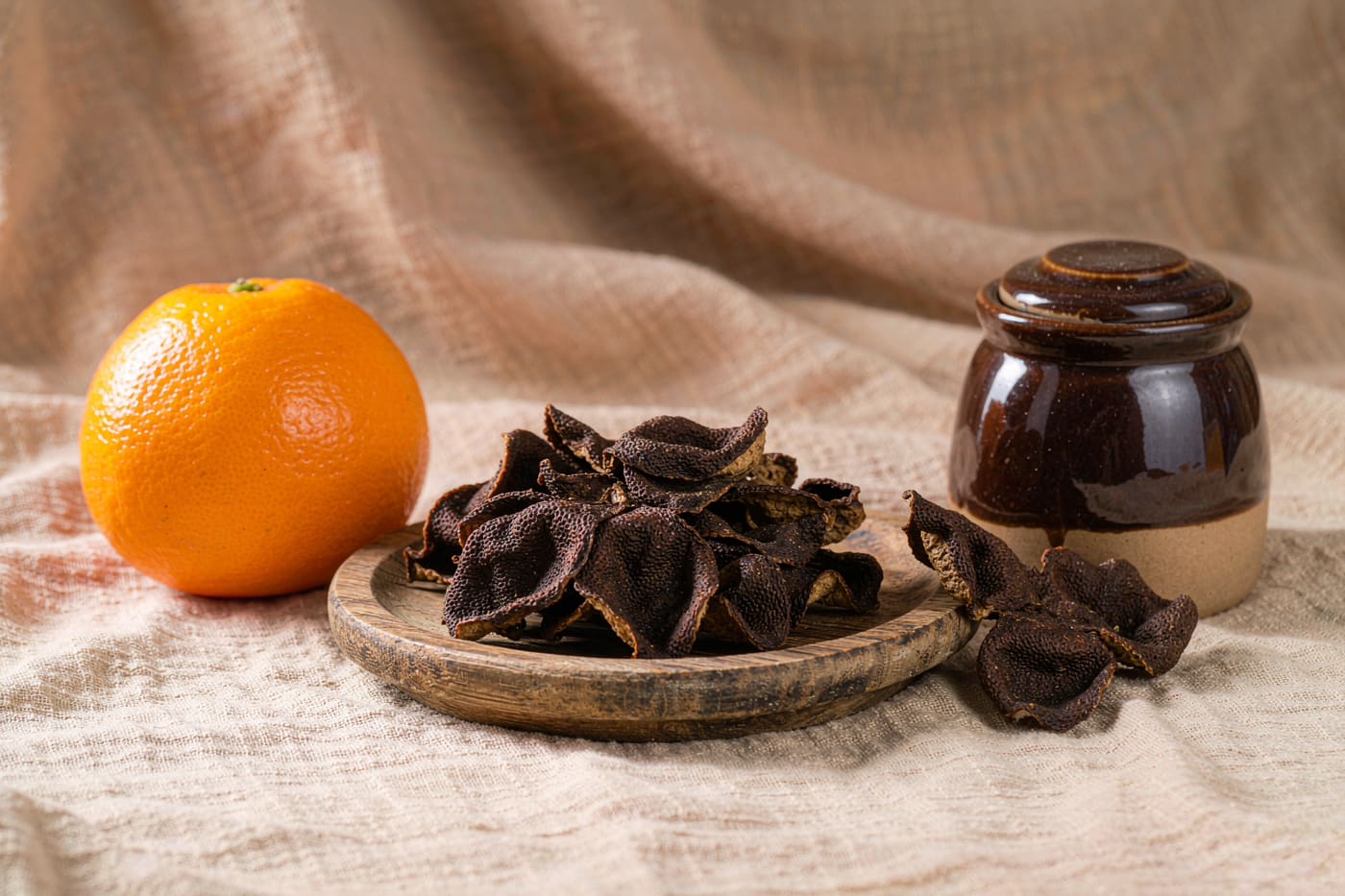
Dried Tangerine Peel: The Citrus That Ages Like Leather
Chenpi is one of the only ingredients in a Chinese kitchen that gets more valuable with time — decades, sometimes. What it is, why old peel is prized, and how to buy and use it in an American kitchen.
Jack Chen · Nov 1, 2026 · 4 min read
Ingredient Guides
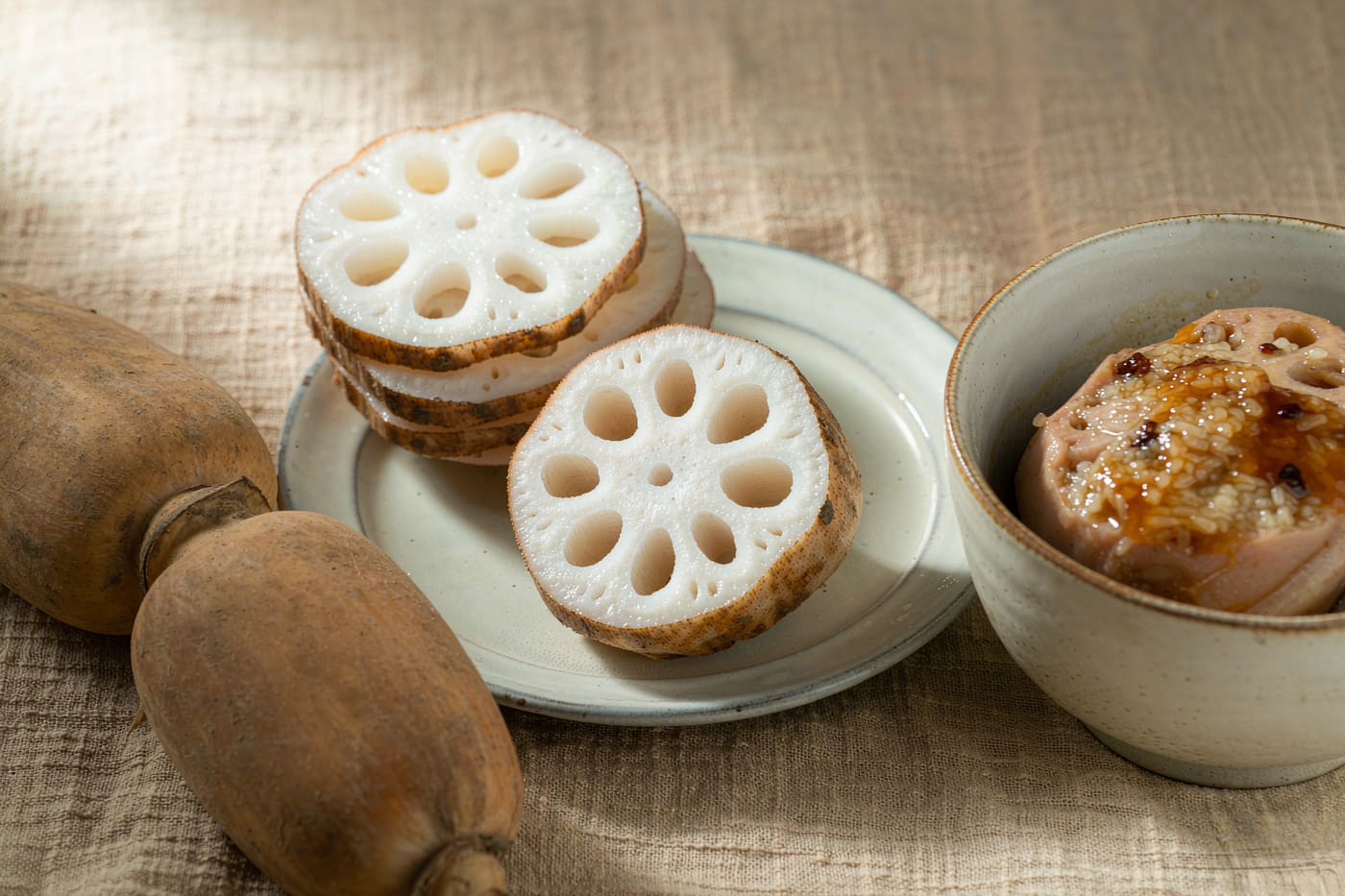
Lotus Root: The Vegetable With Holes, and the Two Ways We Cook It
It looks like a barrel of Swiss cheese and eats like a water chestnut with ambition. How to buy lotus root in an American grocery, clean it properly, and cook the two classic ways — crisp and soft.
Jack Chen · Oct 28, 2026 · 4 min read
Ingredient Guides
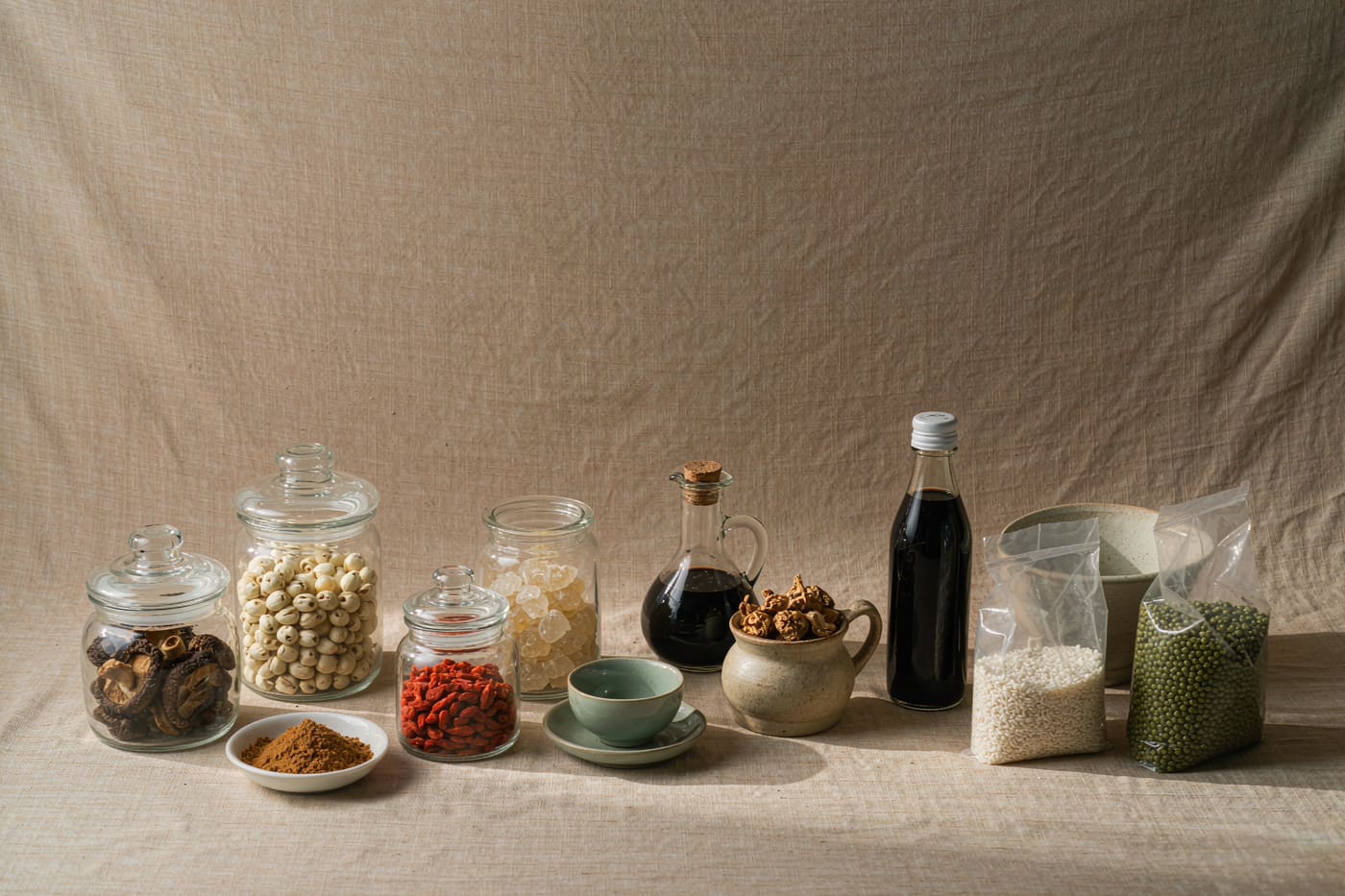
What a Chinese Pantry Actually Holds: A Shopping List for American Kitchens
Skip the novelty of a 40-ingredient haul. This is the honest list — twelve ingredients that cover 90 percent of what a Cantonese home kitchen actually reaches for, with what they do and where to find them.
Jack Chen · Oct 27, 2026 · 4 min read
This article shares food culture and personal experience. It is not medical advice. See our medical disclaimer.